


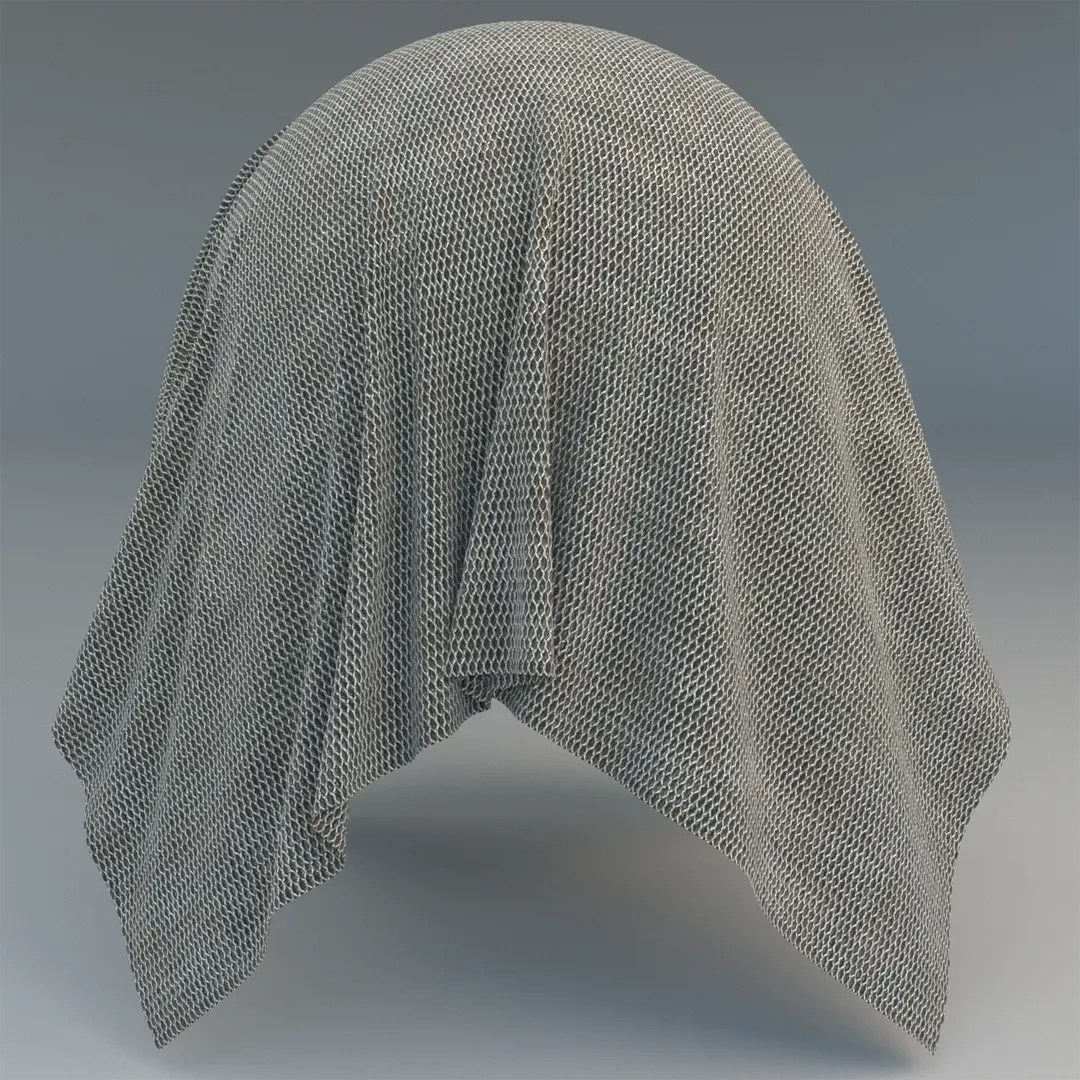
## Understanding the Grey Knitted Mesh Fabric
For visualizers requiring a tactile, modern textile, this grey knitted mesh fabric provides a versatile solution that balances structural detail with a neutral aesthetic. This premium material is defined by its fine-gauge, looped construction, which creates a subtle, light-scattering mesh surface. Unlike flat fabric textures, this asset offers genuine volumetric depth, making it an excellent choice for close-up shots where the interplay between the knitted loops and light determines the final quality of the render.
## Applications in Modern Design
This material excels in contemporary interior environments, particularly where you need to soften the look of rigid furniture pieces. Because of its breathable, mesh-like properties, it is highly effective for office chair upholstery, acoustic paneling, or room dividers that require a visual texture without being fully opaque. In residential projects, it functions beautifully as a material for modern sofa upholstery or as a stylistic element in bespoke window treatments. For game environment artists, this fabric serves as a high-fidelity base for character clothing or technical gear components where a synthetic, woven look is required.
## Stylistic Integration and Surface Pairing
The neutral palette of this material makes it a low-risk, high-reward choice for minimalists. It pairs exceptionally well with architectural materials like brushed stainless steel, poured concrete, or light, natural oak finishes. If you are aiming for a soft, Scandinavian-inspired look, this fabric complements leather accents or light wood grain perfectly. While it is perfect for most upholstery, avoid using it for flooring or surfaces that require a flat, non-porous finish, as the knitted loop structure will look out of place on rigid horizontal planes.
## Technical Fidelity and Rendering Behavior
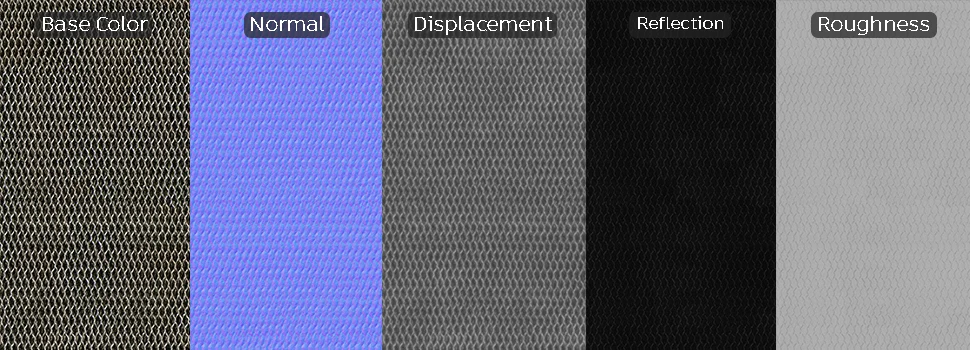
To maintain high fidelity, this 8K seamless material includes Displacement and Normal maps that work in tandem to convey the tactile relief of the knit. In your rendering engine, the Displacement map is essential for capturing the shadows within the individual loops, while the Roughness map ensures that the fabric retains a matte finish even under intense studio lighting. When working with complex light setups, the PBR maps allow for realistic light scatter through the weave openings, which is critical for achieving a convincing, premium textile look.
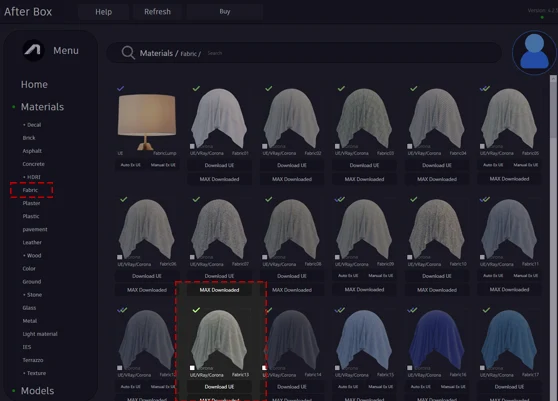
Save Time with AfterBox
Browse, download and apply materials directly in Unreal Engine, V-Ray and Corona.
## Adding Realism Through Imperfections
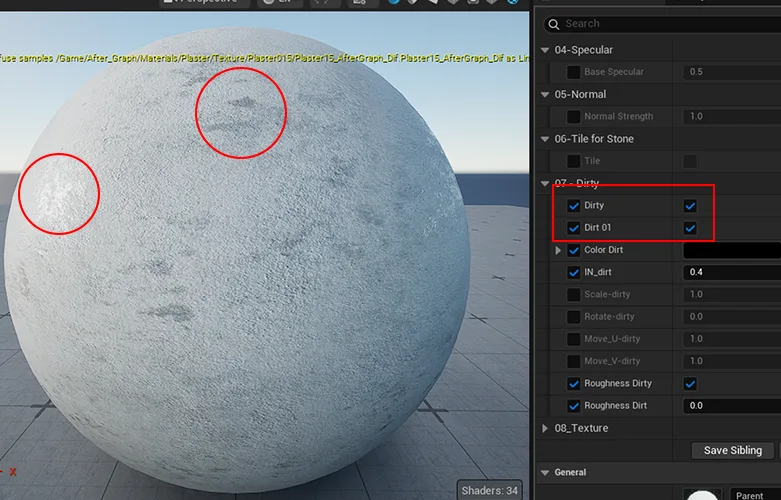
To elevate this material beyond a digital simulation, consider using a subtle procedural noise map in your material graph to drive minor dust accumulation within the loop crevices. Adding a touch of surface variance helps break up the perfect tiling of the weave, particularly in large-scale applications like wall-to-wall acoustic panels. A slight variation in the tint, applied through a mask, can also prevent the gray tone from feeling too sterile in high-end archviz scenes.


## Streamlined Ready Material Workflow
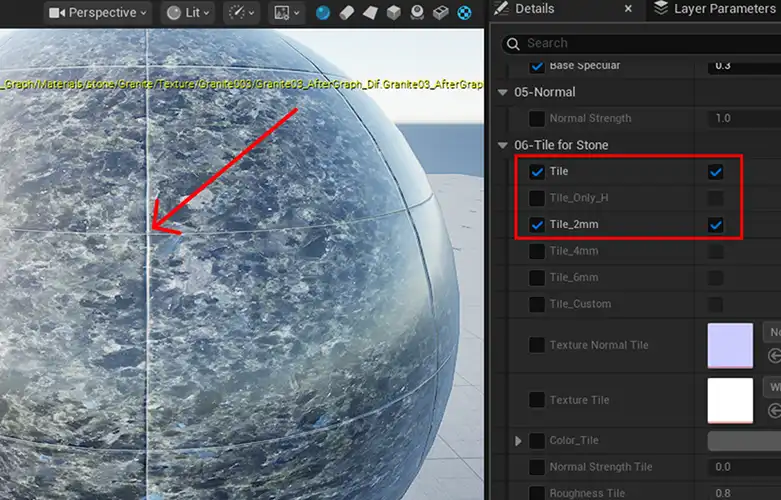
Integrating this premium asset into your pipeline is straightforward. The provided ready-made material settings are calibrated for V-Ray, Corona, and Unreal Engine, allowing you to bypass the time-consuming process of manually connecting PBR textures. By utilizing the pre-built material, you ensure that the complex displacement and reflection parameters are dialed in for professional output from the first test render.
## Seamless Workflow Integration
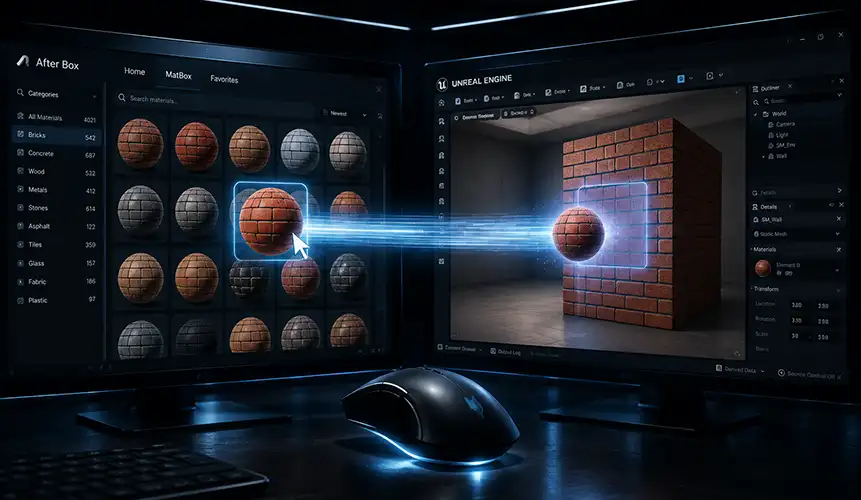
The ability to drag and drop these textures allows for rapid iterations during the design phase. Whether you are finalizing a furniture prototype or populating a commercial office space, these materials are built to save hours of setup time. For full access to this library and more high-resolution PBR assets, visit our subscription page: https://after-box.com/pricing/

Save time on material setup
Instead of downloading this texture, use the optimized ready-made material for VRay , Corona Renderer (3ds Max) and Unreal Engine available in AfterBox.
No manual setup


