
 Build Faster with AfterBox
Access over 4000 ready-to-use materials for Unreal Engine, V-Ray and Corona.
Create your account and receive $12 free credit.
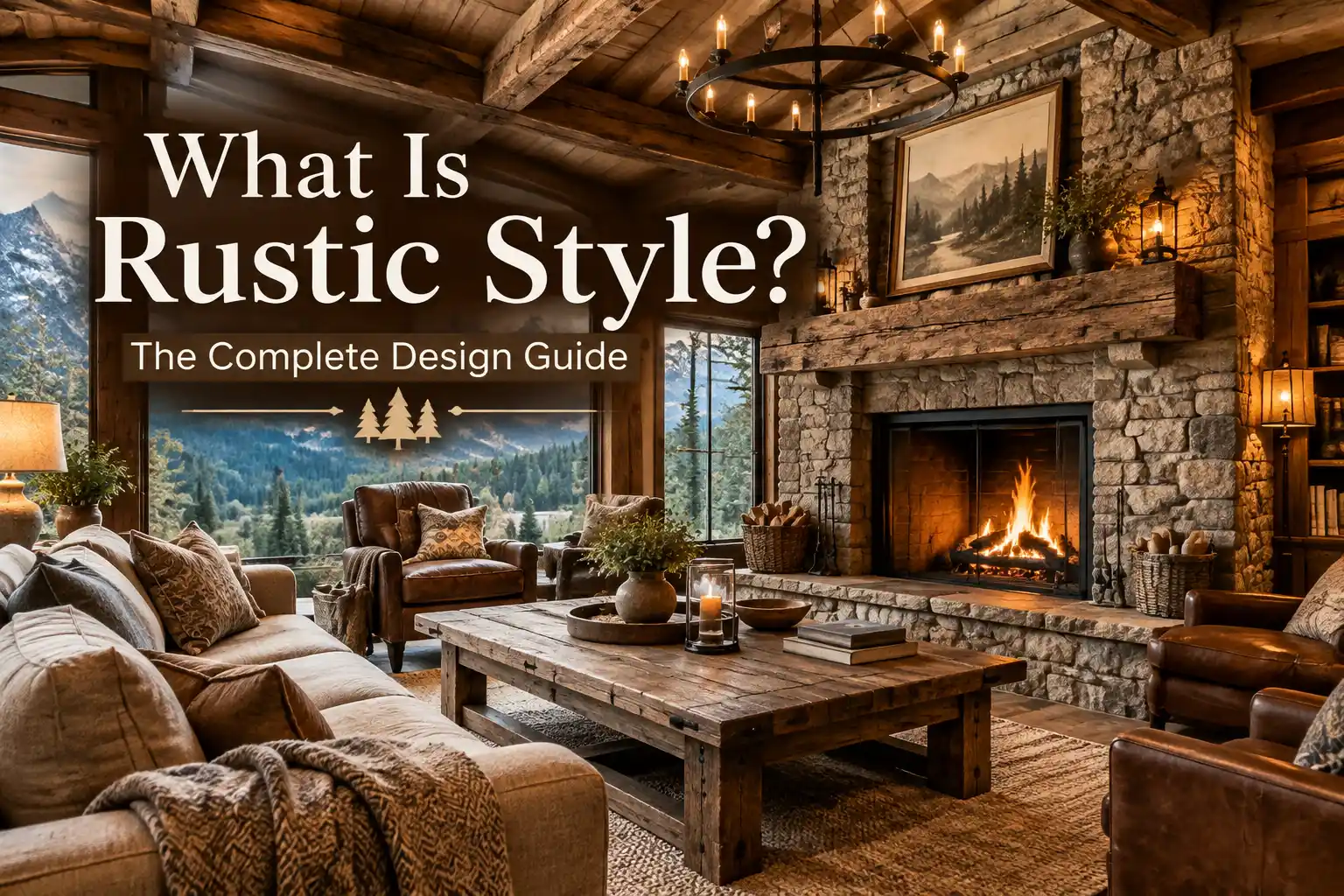
When exploring interior design concepts, you might ask: what is rustic style? At its core, rustic style is an interior design approach that celebrates raw, natural, and imperfect materials. Instead of sleek manufactured surfaces and flawless symmetry, this aesthetic embraces the organic beauty of aging wood, exposed stone, and handmade elements. It creates a warm, grounded, and welcoming atmosphere that connects indoor living spaces directly to the natural world. Whether you live in a sprawling countryside estate or a modern urban apartment, understanding rustic style helps you introduce comforting organic textures into your everyday surroundings.
To truly understand how this design philosophy evolved, we must look back at its dual historical origin. The style developed along two distinct geographic and cultural paths that eventually converged into the look we recognize today. The first major root comes from the European Alpine chalet and mountain-lodge tradition of Switzerland, Germany, and Austria. In these mountainous regions, builders relied heavily on thick stone foundations, massive timber framing, and steeply pitched roofs designed to withstand heavy winter snowfalls. Inside these mountain shelters, heavy wooden furniture and warm textiles provided essential insulation and comfort against harsh weather.
The second major historical root stems from the American pioneer and frontier tradition. Early settlers and homesteaders built functional homes using local wood and stone harvested directly from their immediate surroundings. Furniture was strictly handmade out of necessity, utilizing raw logs, sturdy boards, and simple joinery methods that prioritized durability over decorative refinement. This resourcefulness gave birth to unpretentious living spaces defined by utility, honest craftsmanship, and a deep respect for natural materials. While the European alpine tradition brought architectural grandeur and refined chalet details, the American frontier tradition contributed rugged simplicity and inventive woodworking.
Types of Rustic Style
Over the decades, this design approach has branched out into several recognized sub-styles that cater to different regional tastes and architectural settings. Understanding these variations helps you choose the right direction for your interior spaces.
Tuscan Rustic
Tuscan rustic draws inspiration from the sun-drenched Italian countryside. This sub-style features warm terracotta floor tiles, distressed plaster walls in earthy ochre or olive tones, heavy dark wood furniture, and wrought iron accents. It feels warm, dramatic, and deeply connected to Mediterranean agriculture and timeless architecture.
Coastal Rustic
Coastal rustic blends rugged natural elements with breezy seaside charm. Instead of dark, heavy timber, this variation utilizes weathered driftwood, sun-bleached oak, linen upholstery, rope accents, and a crisp color palette of soft whites, sandy beiges, and muted oceanic blues. It creates a relaxed, airy atmosphere inspired by beachside cabins.
Looking for a Faster Workflow?
Instead of creating every material manually, use a library of over 4000 ready-to-use materials and import them into your projects in seconds.
Cottage Rustic
Cottage rustic focuses on intimate charm, comfort, and nostalgic simplicity. It frequently incorporates painted wooden paneling, vintage floral patterns, mismatched antique furniture, and cozy textiles like patchwork quilts and knitted throws. This style feels approachable, lived-in, and inherently sweet.
Lodge Cabin Rustic
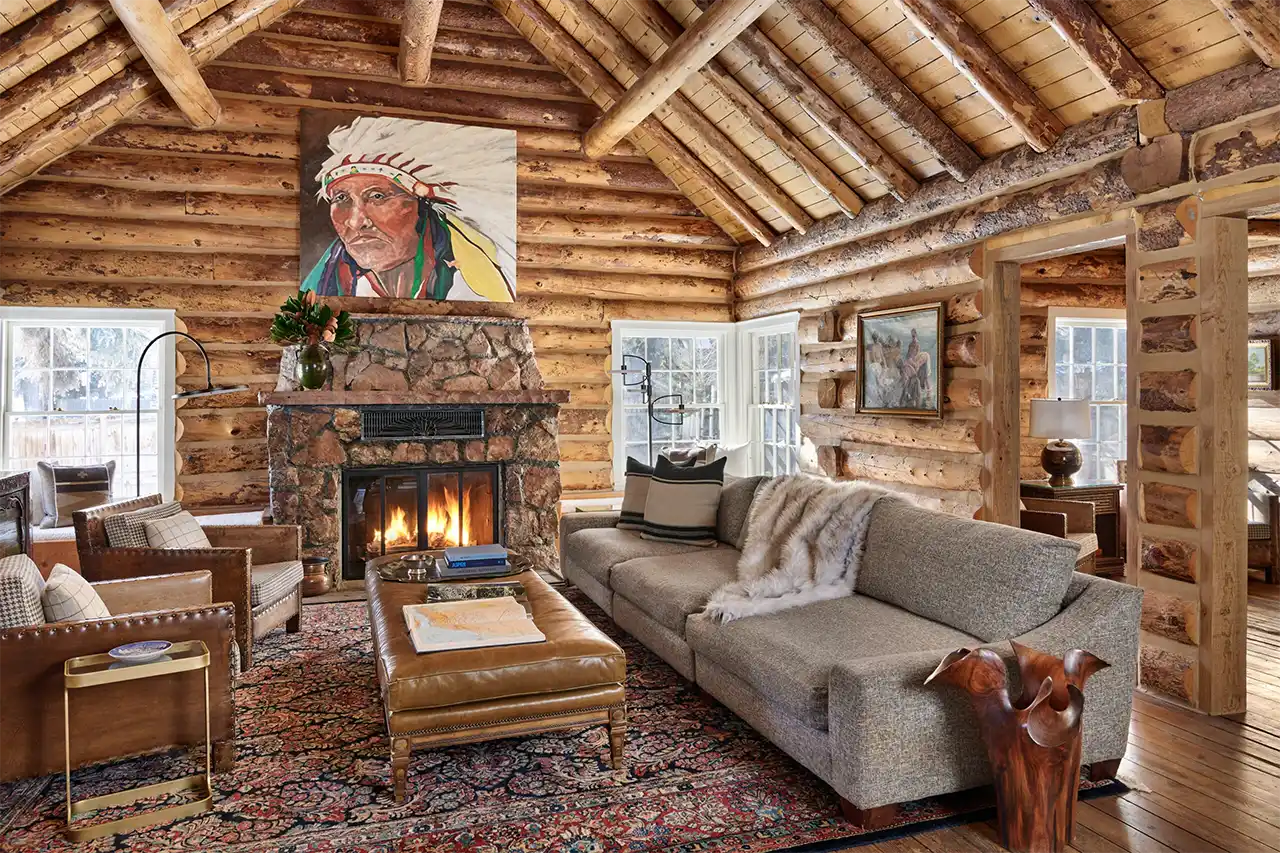
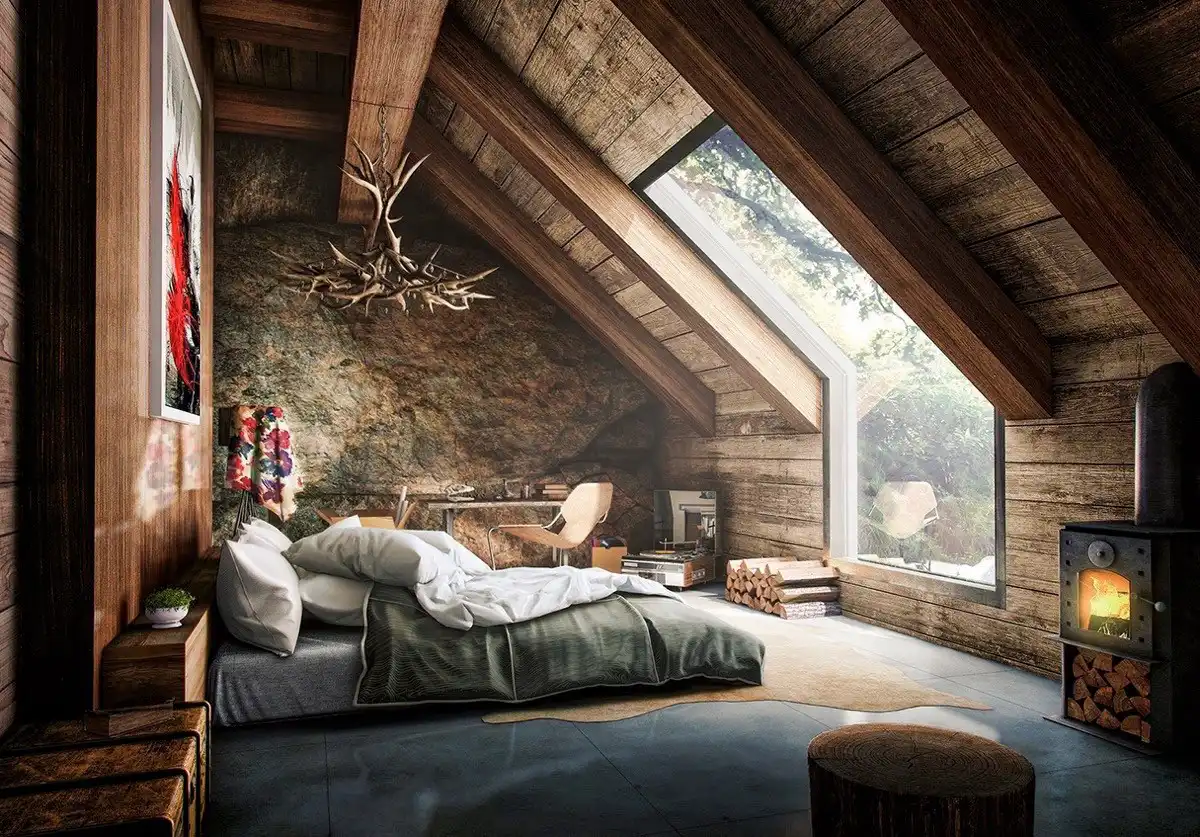
Lodge cabin rustic is the classic heavy-timber aesthetic most people envision. It relies on massive log walls, stone fireplaces, antler chandeliers, plaid patterns, and rich leather furniture. This bold style celebrates deep wilderness aesthetics and robust structural integrity.
Farmhouse Rustic
Farmhouse rustic centers around practical rural utility and agricultural heritage. Key features include apron-front porcelain sinks, sturdy dining tables made from reclaimed lumber, sliding barn doors, and open wooden shelving. It emphasizes family gatherings, hard-wearing surfaces, and functional simplicity.
Modern Rustic and Rustic Chic
Modern rustic, sometimes called rustic chic, emerged prominently as a named design trend in California in the early 2010s. This hybrid style pairs the raw textures of traditional rustic design with clean architectural lines, minimalist layouts, neutral color palettes, and contemporary metal or glass fixtures. It offers a balanced, sophisticated take on natural living.
Core Design Elements
Achieving an authentic rustic look requires careful attention to specific foundational materials and architectural details that define the aesthetic.
The color palette is firmly rooted in nature. Designers utilize earthy, neutral colors such as warm creams, sandy tans, deep browns, muted grays, and forest greens. These shades reflect the outdoors and provide a calming backdrop for rich textures.
Natural materials form the backbone of this design approach. Reclaimed wood featuring knots, grain variations, and saw marks is essential. Natural stone, rugged slate, wrought iron, distressed leather, and coarse burlap add weight, contrast, and tactile depth.
Architectural features often highlight structural honesty. Exposed wooden ceiling beams, natural stone feature walls, and aged brickwork are left bare rather than covered with drywall. These structural elements showcase craftsmanship and historical character.
Furniture tends to be handcrafted and oversized. Large dining tables, solid armoires, and substantial seating anchors the room. Imperfections in the wood are celebrated as unique character marks rather than flaws.
Layered natural textiles soften the hard edges of wood and stone. Heavy wool blankets, sheepskin rugs, linen curtains, and woven jute floor coverings introduce warmth and tactile comfort.
Comparing Rustic to Similar Interior Styles
Homeowners often confuse rustic style with adjacent design aesthetics. The table below outlines the clear distinctions between rustic style and the styles it is most frequently compared against.
| Design Style | Primary Focus | Key Materials | Typical Color Palette |
|---|---|---|---|
| Rustic | Raw, natural, and imperfect materials with historical roots | Reclaimed wood, stone, wrought iron, leather | Earthy neutrals, warm browns, muted greens |
| Farmhouse | Practical rural utility, agricultural heritage, and bright spaces | Painted wood, galvanized steel, beadboard, cotton | Crisp whites, warm grays, muted accents |
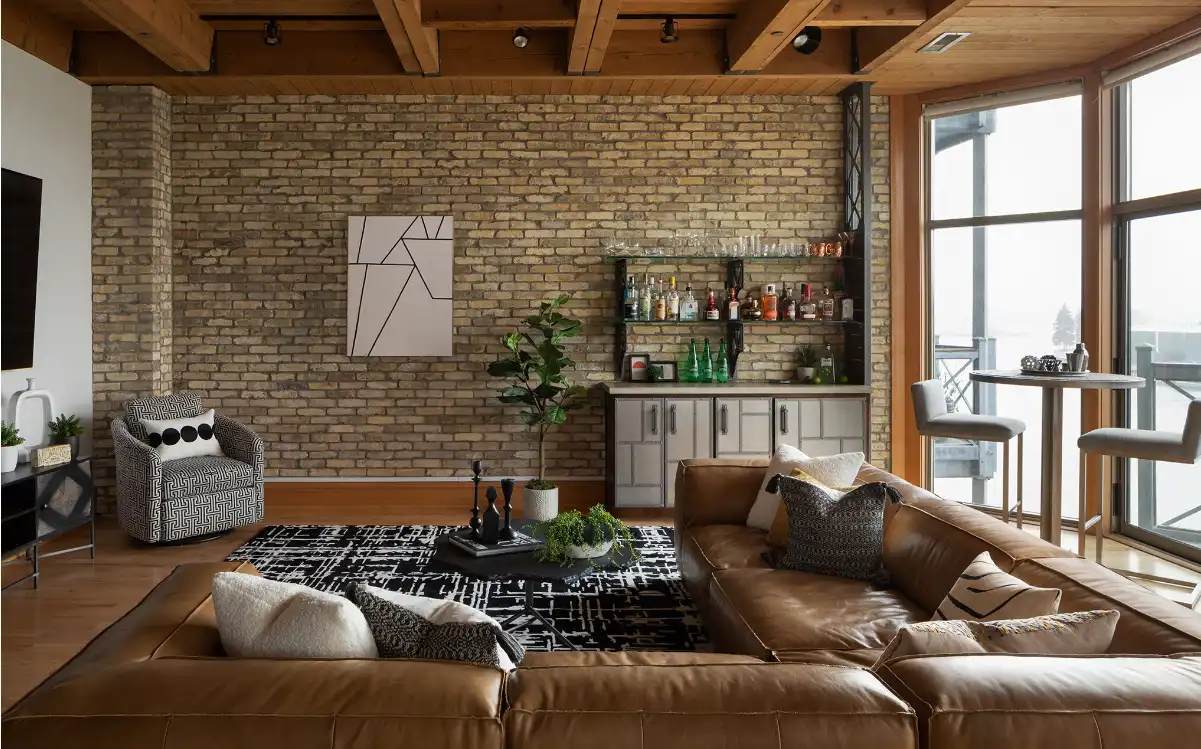
| Industrial | Urban factory aesthetics, mechanical utility, and exposed structure | Cold-rolled steel, distressed metal, concrete, exposed pipes | Charcoal grays, blacks, rusty oranges, raw steel tones |
| Cottage | Cozy, intimate, nostalgic, and whimsical rural charm | Painted timber, wicker, vintage fabrics, floral cottons | Pastels, soft whites, warm yellows, cheerful hues |
Room-by-Room Application Guide
Applying this design philosophy requires tailoring its core principles to the specific function and atmosphere of each individual room in your home.
Living Room
The living room serves as the ultimate gathering space and a primary showcase for rustic style. Anchor the room with a large stone fireplace or a reclaimed timber mantelpiece as the central focal point. Choose oversized seating upholstered in distressed brown leather or heavy neutral canvas. Layer the floor with a thick wool or jute rug, and add a coffee table crafted from a salvaged tree trunk or weathered barn beams.
Kitchen
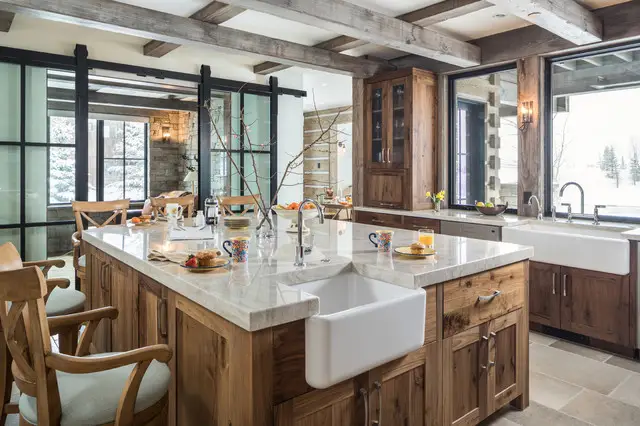
A rustic kitchen balances hard-working culinary utility with warm organic charm. Install open wooden shelving made from thick planks supported by iron brackets instead of upper cabinets. Choose a deep fireclay apron-front sink paired with unlacquered brass or oil-rubbed bronze fixtures. A large central island crafted from reclaimed wood provides essential prep space while reinforcing the room’s earthy aesthetic.

Bedroom
In the bedroom, rustic style should promote relaxation, rest, and cozy seclusion. Build a dramatic focal wall using vertical wood paneling or reclaimed timber planks behind the bed. Select a sturdy wooden bed frame with clean, honest joinery. Dress the bed with heavy linen duvet covers, waffle-knit blankets, and wool throw pillows to create an inviting, textural sanctuary.
Bathroom
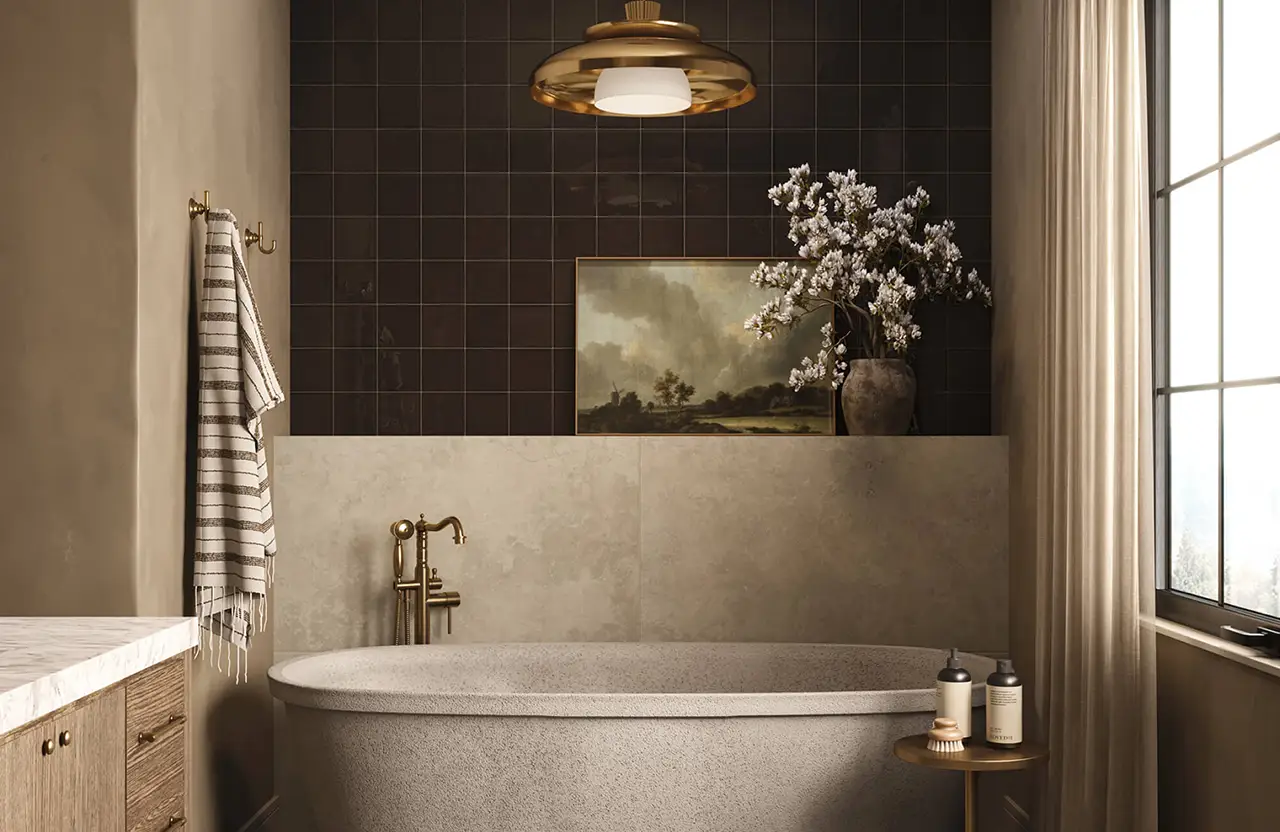
Transform your bathroom into a spa-like retreat by incorporating natural textures and organic elements. Use a live-edge wooden slab as a vanity countertop, paired with a vessel sink made from natural stone or hammered copper. Install matte black or brushed bronze plumbing fixtures. Add woven baskets for storage and fluffy organic cotton towels to complete the tranquil, grounded environment.
Conclusion
Mastering rustic style is ultimately about embracing authenticity, comfort, and the raw beauty of the natural world. By understanding its European and American origins, exploring its diverse sub-styles, and thoughtfully incorporating natural materials into your rooms, you can create spaces that feel timeless and deeply grounding. Whether you prefer the refined lines of modern rustic or the heavy timber warmth of a traditional mountain cabin, this design approach offers enduring appeal for any home.
