
 Build Faster with AfterBox
Access over 4000 ready-to-use materials for Unreal Engine, V-Ray and Corona.
Create your account and receive $12 free credit.
Interior design trends evolve constantly, but the Scandinavian interior design style remains endlessly popular across the world. This design movement focuses on simplicity, utility, and a deep appreciation for natural light. It turns everyday living spaces into bright, tranquil, and comfortable homes. Whether you decorate a compact city apartment or a spacious suburban house, adopting a Nordic interior design approach offers a timeless way to enhance your living environment.
1. Roots and History of Scandinavian Style
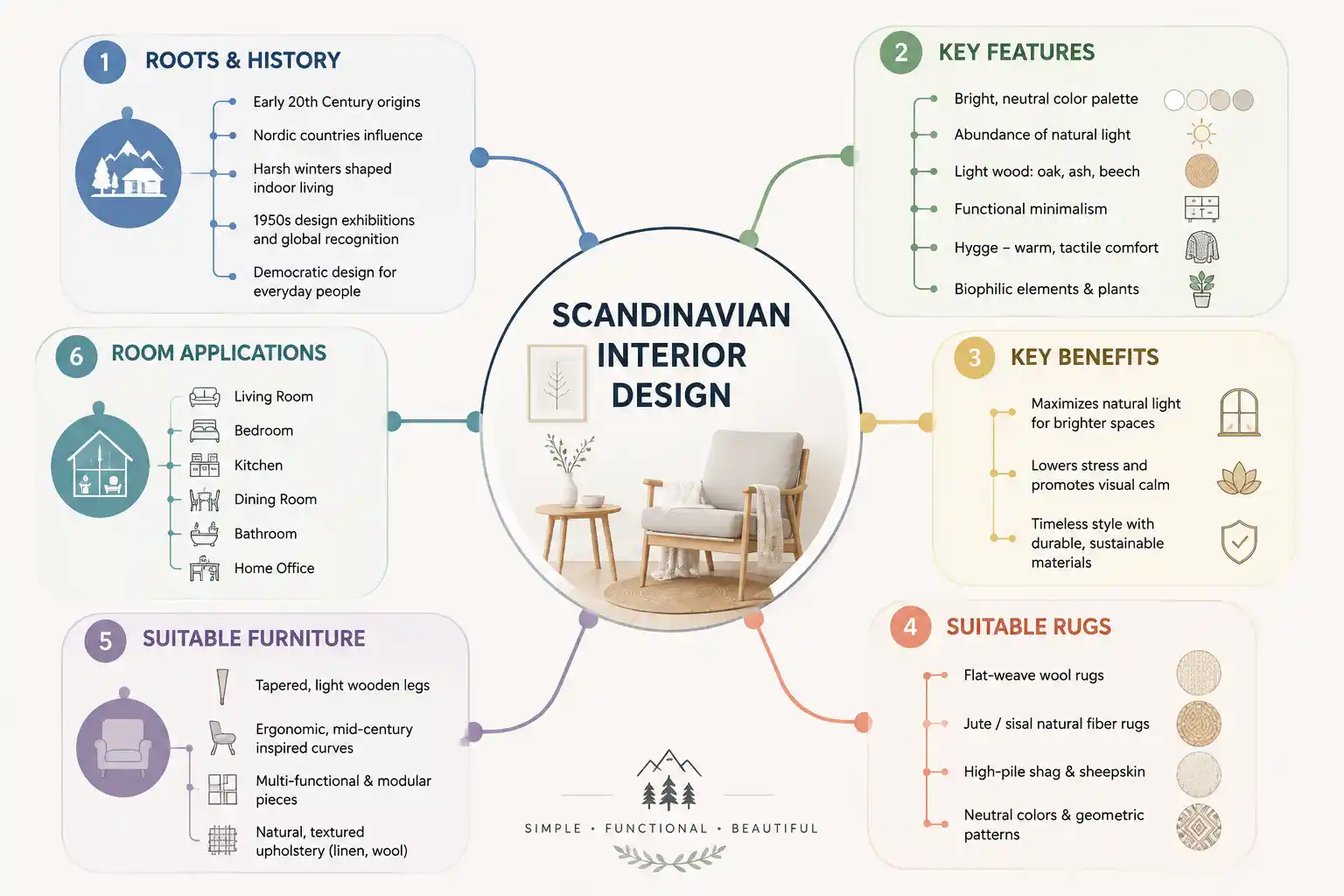
The Scandinavian interior design style originated in the Nordic region during the early 20th century. Designers across Denmark, Norway, Sweden, Finland, and Iceland contributed to its development. The movement gained momentum in the 1930s. It achieved widespread international recognition during the 1950s through traveling design exhibitions across North America and Europe.
Harsh northern winters heavily influenced this aesthetic. In Scandinavia, winter daylight lasts only 4 to 6 hours per day. Because residents spent long months indoors, home spaces needed to feel warm, bright, and clutter-free. Local wood craftsmen prioritized function over heavy ornamentation. They created lightweight, durable furniture that everyday families could easily afford. This democratic philosophy made high-quality interior design accessible to all social classes.
2. Most Important Features of Scandinavian Interior Design
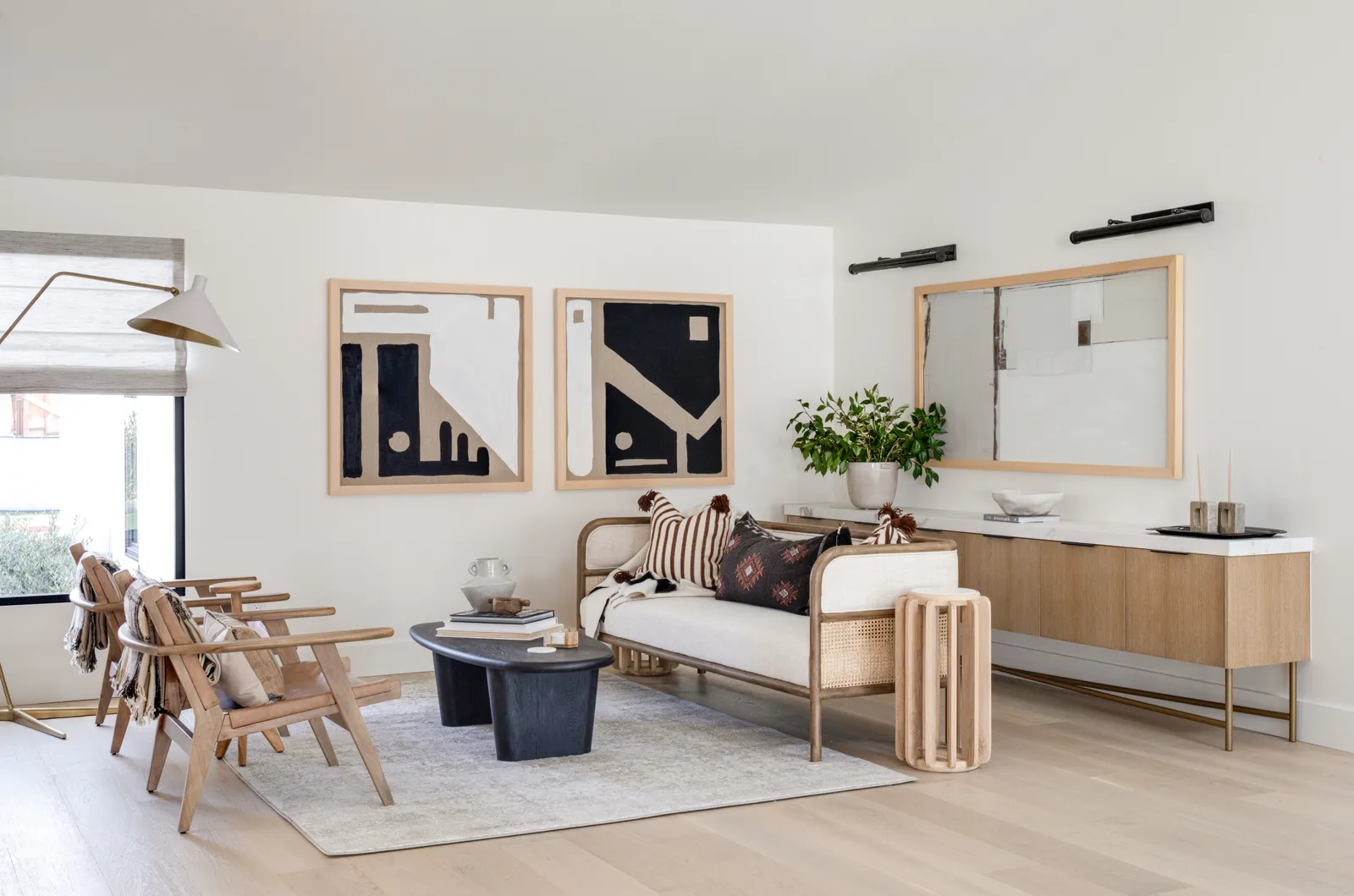
Understanding the key traits of Scandinavian decor style allows you to incorporate its charm into your home successfully. The style balances modern aesthetics with comfortable living elements.
- Bright Neutral Color Palette: Whites, warm creams, and pale grays dominate walls and ceilings to maximize natural light reflection.
- Unobstructed Natural Illumination: Windows remain mostly unadorned or framed with sheer linen fabrics to invite natural light inside.
- Light-Toned Wood Species: Designers favor pale natural woods like white oak, ash, beech, and pine for floors and cabinetry.
- Functional Minimalism: Furniture layouts emphasize open floor space, sleek lines, and efficient room organization.
- Tactile Comfort (Hygge): Textured wool throws, sheepskin seat pads, and natural linen fabrics balance minimal furniture forms.
- Biophilic Touches: Fresh potted greenery and natural stone accessories add gentle color contrast to neutral spaces.
3. Benefits of Using Scandinavian Interior Design Style
Choosing Nordic interior design offers significant practical and psychological benefits for modern homeowners. It focuses on intentional living and smart spatial organization.
First, it maximizes artificial and natural light. Light-reflective wall paint and pale flooring make small rooms feel larger and brighter. Second, the uncluttered nature of Scandinavian decor style helps lower daily stress levels. Clean surfaces promote visual calm after long work hours.
Finally, this style focuses on long-lasting natural materials. Investing in timeless wooden furniture reduces the need for frequent home updates, saving money over time.
4. Suitable Rugs for Scandinavian Interior Design
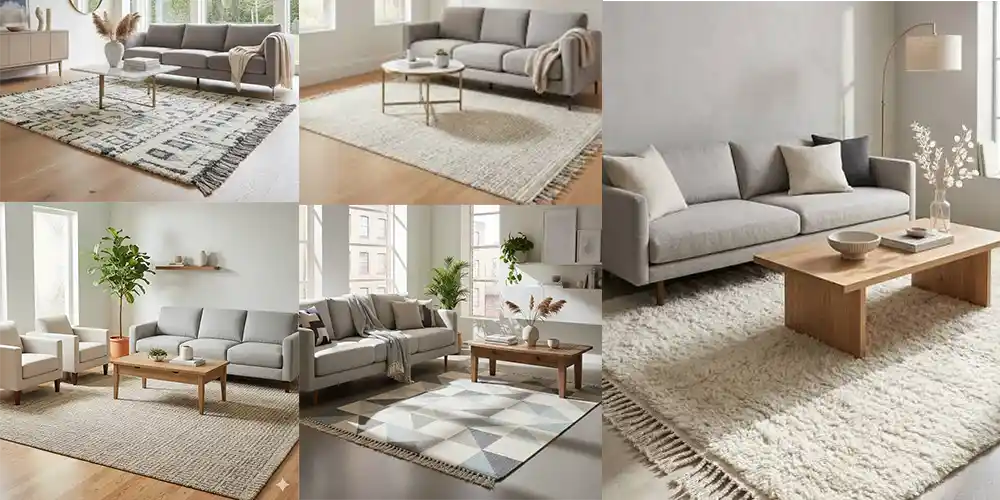
Floor coverings are vital for introducing warmth into a room with light hardwood flooring. In a Scandinavian interior design style space, rugs bring soft texture and floor insulation.
Flat-weave wool rugs are an ideal option. They provide clean geometric appeal, durability, and easy maintenance. Jute and sisal natural fiber rugs are also popular choices. They introduce rustic organic texture into neutral settings. For added winter comfort, place high-pile shag rugs or natural sheepskins near bed frames or seating areas. Select soft creams, pale grays, or subtle line patterns to keep the look grounded.
5. Suitable Furniture for Scandinavian Interior Design
Furniture in a Nordic interior design layout combines clean geometry, ergonomic support, and warm wood textures. The arrangement never feels crowded or heavy.
Select dining tables and accent chairs with tapered wooden legs and soft curved backrests. Mid-century modern furniture silhouettes integrate effortlessly into this design theme. Multi-functional pieces, such as storage ottomans or modular wall shelving, work best. Upholstery fabrics should feature light neutral tones, textured cotton canvas, or woven wool blends.
6. Applications of Scandinavian Style in Different Spaces
You can adapt this functional design language to every area of your home. Here is how to apply Scandinavian decor style across specific rooms.
Living Room
Position a soft gray or off-white fabric sofa near a major light source. Add a solid oak coffee table and a low-pile wool rug underneath. Keep window drapes sheer to let daylight filter through easily. Layer knit throw blankets and linen pillows to create a cozy seating hub.
Bedroom
Keep your sleeping area calm, uncluttered, and resting-focused. Choose a simple wooden bed frame with light linen duvet covers. Place a plush sheepskin rug beside the bed for a warm step landing in the morning. Use warm lighting bulbs (around 2700K) to maintain a restful evening ambiance.
Kitchen
Install flat-panel white or pale wooden cabinet doors paired with simple matte hardware. Choose light quartz or natural butcher block counter surfaces. Keep kitchen counters free of clutter. Open wall shelves can hold functional ceramic dinnerware and green herbs.
Dining Room
Anchor the dining space with a sturdy light oak dining table. Surround it with iconic wood chairs or lightweight molded shell seating. Hang a sleek dome pendant light directly over the center of the table. Use simple ceramic vases or linen placemats for table centerpieces.
Bathroom
Combine white wall tiles with light gray floor tiles or wood-look porcelain planks. Mount a floating wooden vanity with a porcelain basin sink. Add a round wall mirror with a simple metal frame. Place a moisture-loving plant on a shelf for natural freshness.
Home Office
Set up a streamlined wooden desk close to a window. Pair it with an ergonomic chair made of light wood or soft fabric upholstery. Use floating wall shelves to organize files neatly. Keep your desktop tidy to maintain daily focus and work productivity.
7. Conclusion
The Scandinavian interior design style successfully blends utility, comfort, and timeless elegance. By using light neutral colors, pale wood accents, simple furniture, and cozy textiles, you can design a bright and welcoming home. Whether you redesign a single room or your entire property, this design philosophy creates clean, practical spaces tailored for serene daily living.
