




## Geometric Cube Pattern Wood Parquet for High-End Interiors
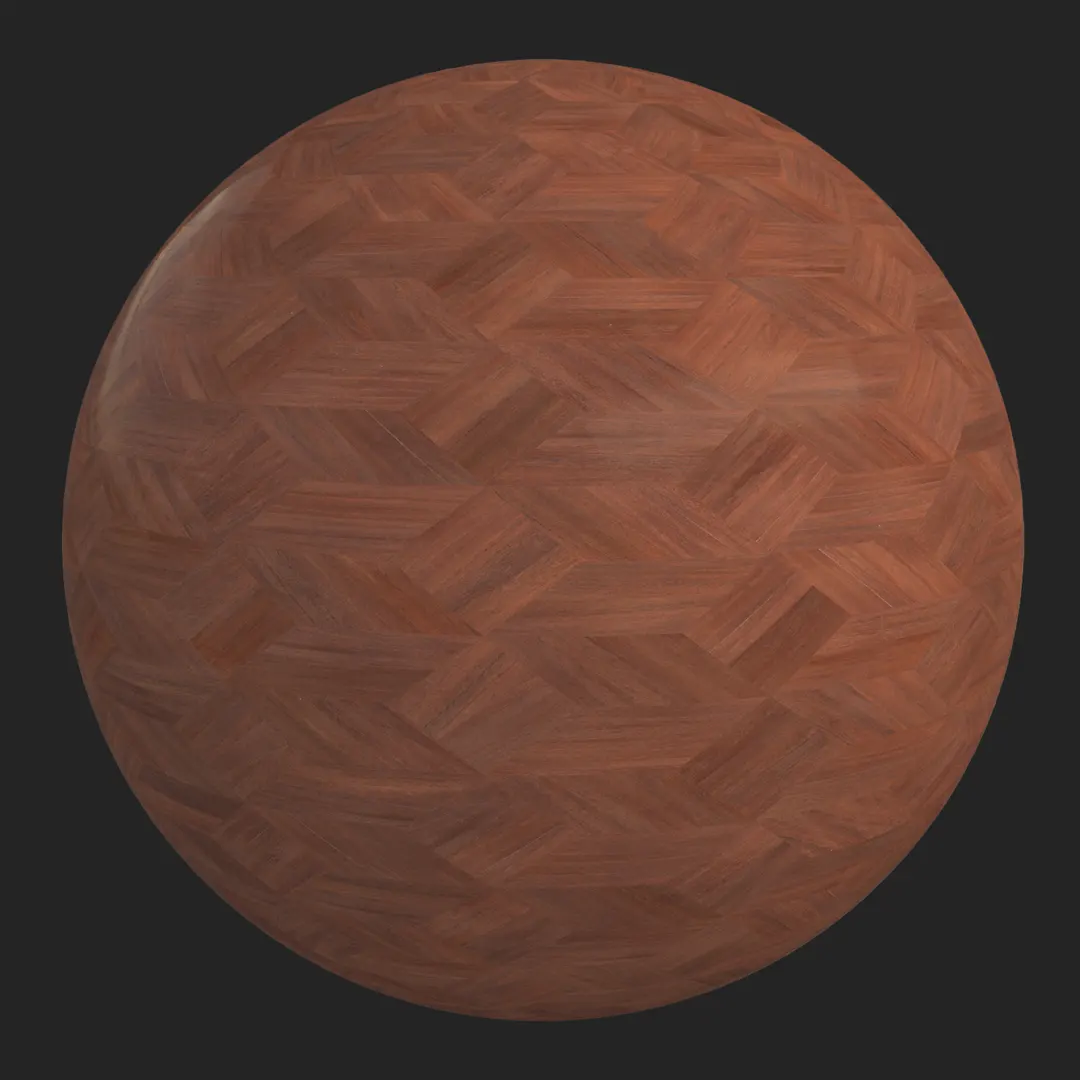
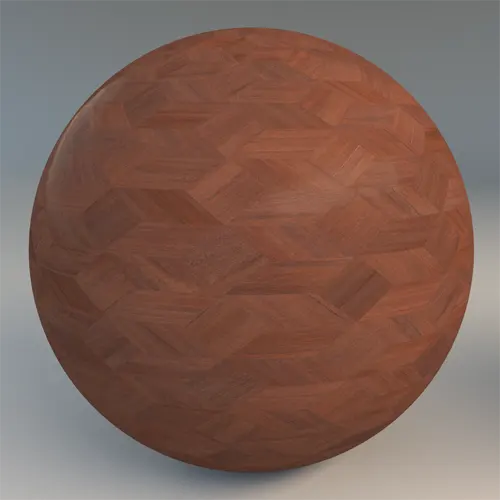
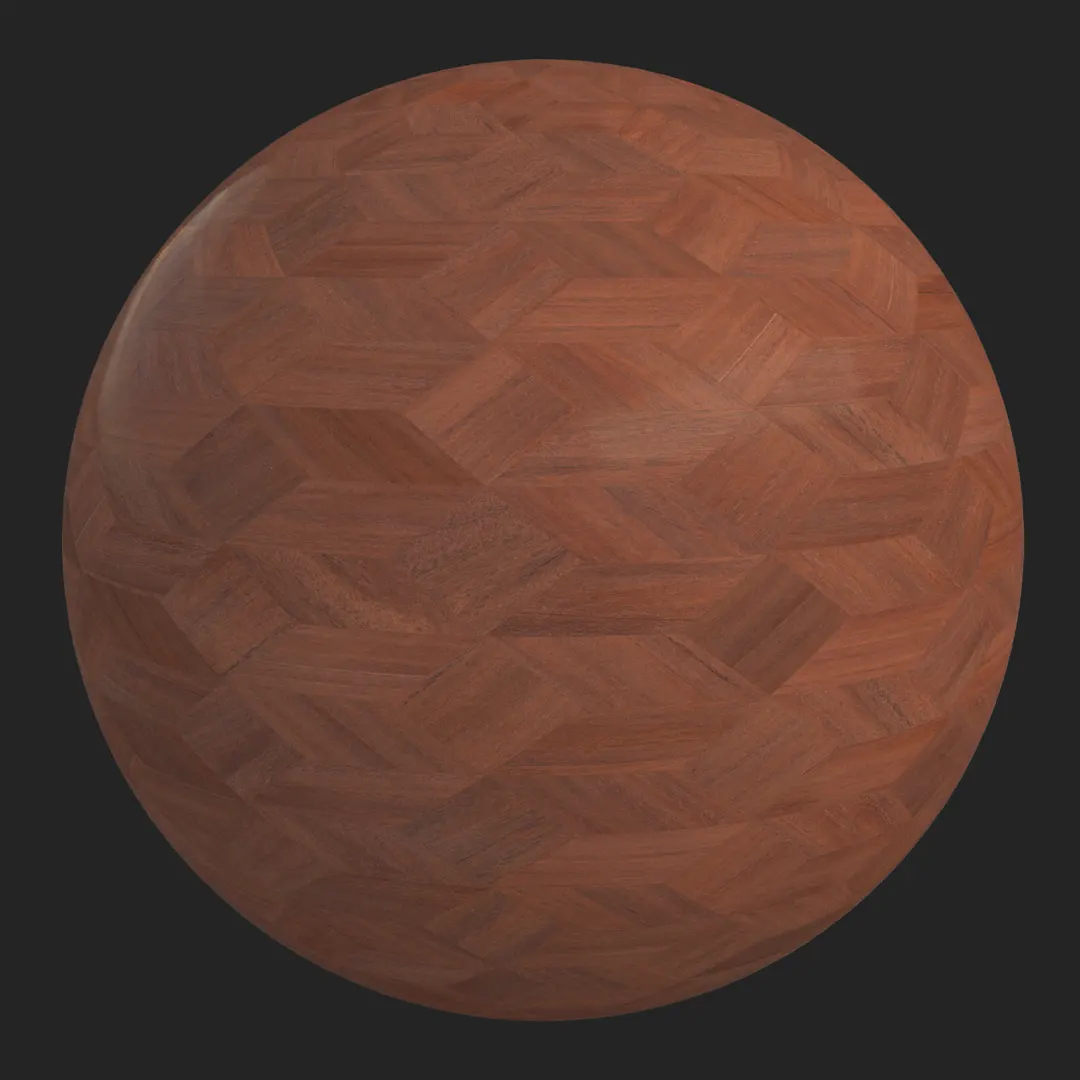
The geometric cube pattern wood parquet, often referred to as a tumbling block design, offers an elegant, 3D visual hierarchy that immediately elevates the perceived value of any floor plane. Characterized by deep chestnut and warm mahogany tones, this material provides a sophisticated foundation for interior spaces where luxury and architectural precision are paramount. The seamless 8K resolution ensures that the intricate intersections of the pattern remain sharp, even during extreme close-up camera work in high-end archviz projects.
## Ideal Applications for Architectural Projects
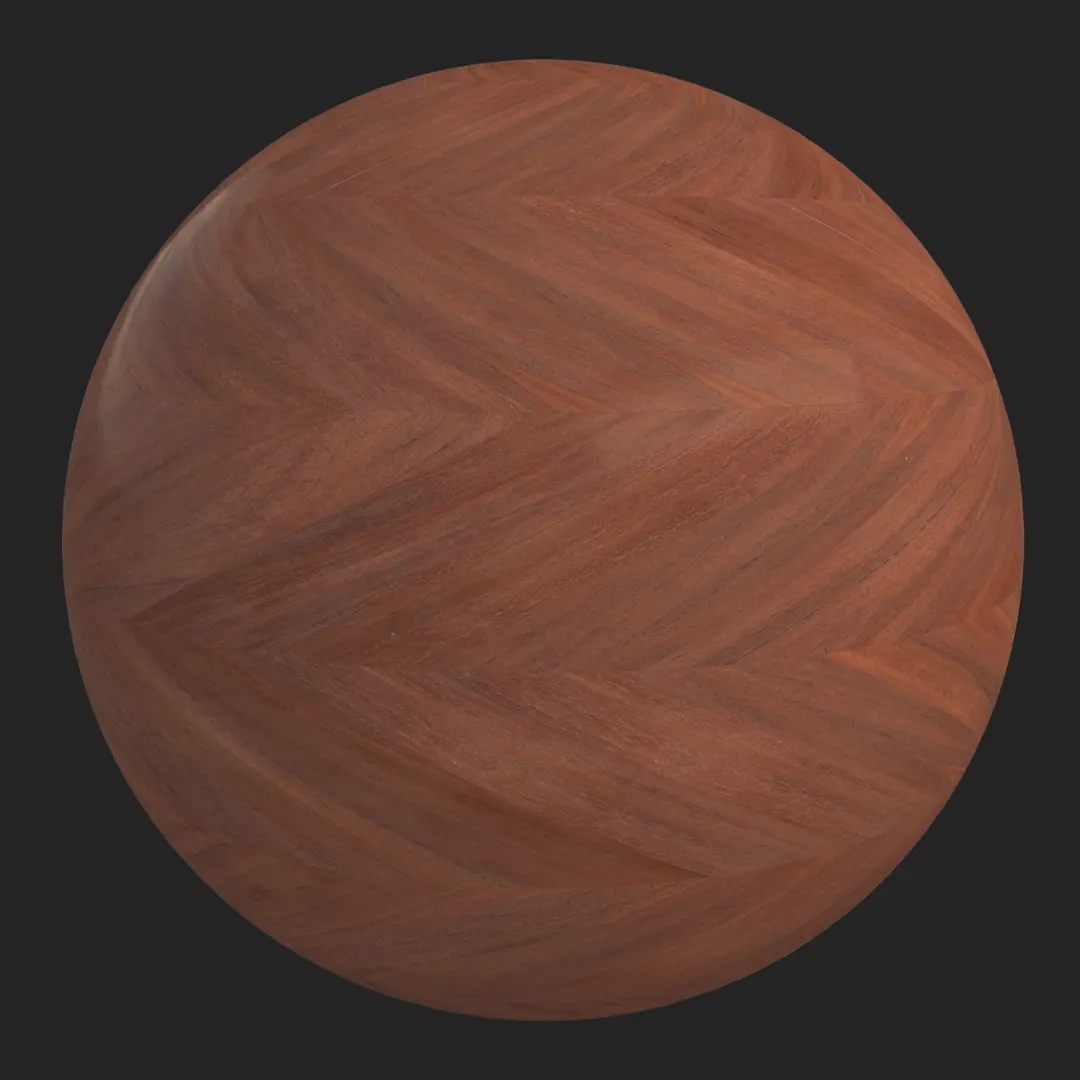
This material is perfectly suited for formal environments that require a sense of permanence and classic appeal. It serves as an excellent anchor in rich walnut plank parquet PBR material-filled living areas, creating a visual contrast when paired with cleaner, monochromatic surfaces. For commercial projects, such as luxury hotel lobbies or boutique office suites, the consistent directional grain helps guide the viewer’s eye across large, expansive floors while maintaining a high level of architectural detail. Residential designers will find this flooring particularly effective in study rooms or libraries where the rich, warm color temperature complements leather and brass hardware.
### Design Compatibility and Material Pairing
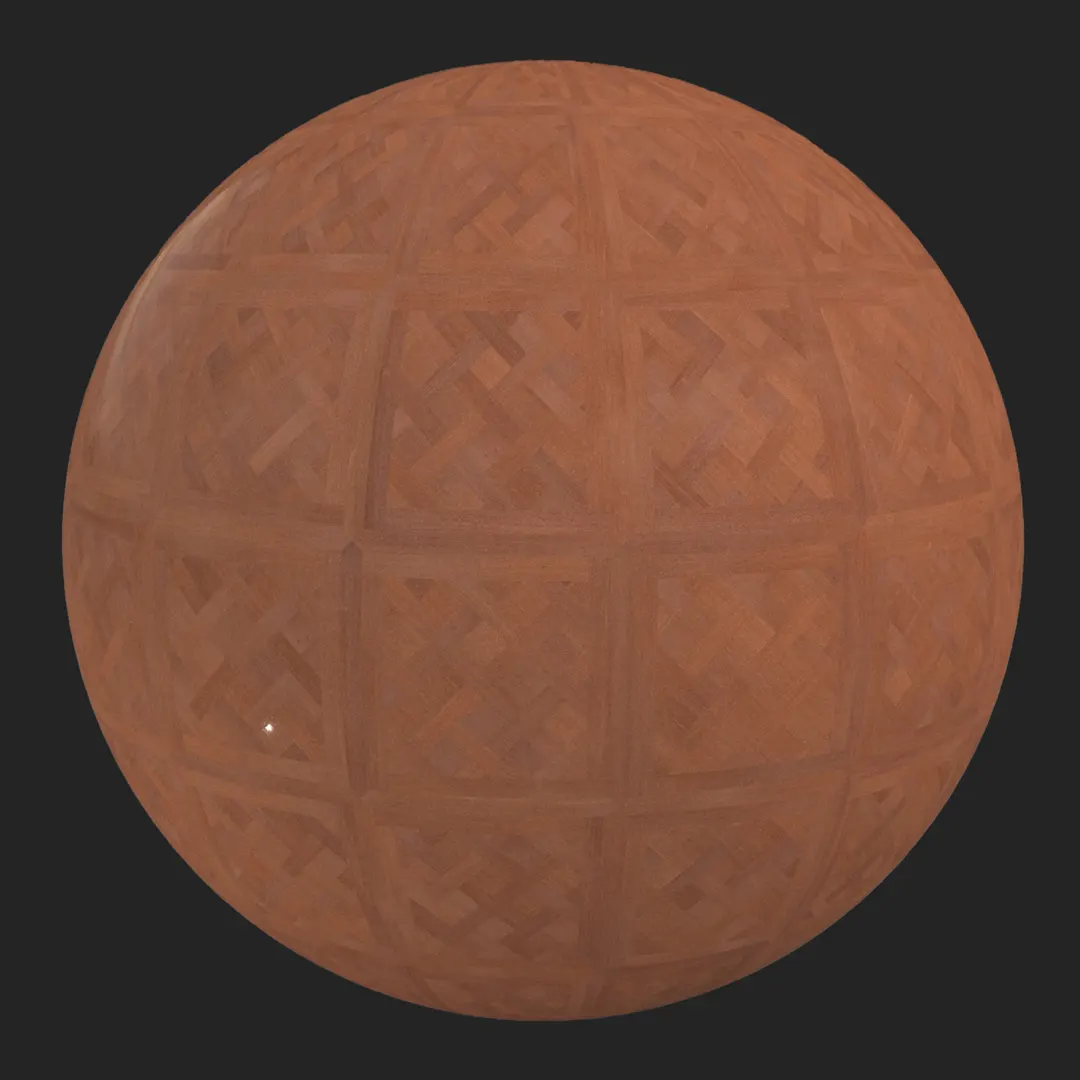
To maintain the visual balance of the room, pair this cube parquet with materials that do not compete for attention. Natural stone, specifically honed white marble, creates a refined juxtaposition against the warm, dark wood. If you are working on a space that leans toward the classic look of classic brown oak Versailles parquet, this geometric cube pattern acts as a contemporary evolution of traditional European craftsmanship.
### Technical Performance and Rendering
Delivering a high-fidelity experience, this PBR-ready asset includes precise normal and reflection maps to define the depth of each individual cube. In V-Ray or Corona, the satin finish responds naturally to soft studio lighting, highlighting the subtle pores in the wood texture. Unreal Engine artists should ensure that the reflection vector settings are dialed in, as the “3D” illusion of the tumbling block depends entirely on how the light catches the bevels at the seam edges. One caution: because the pattern is highly geometric, avoid tiling it across massive, irregular surfaces without checking the texture mapping; in some cases, the repetition can become distracting if the UV scale is too small for the room dimensions.
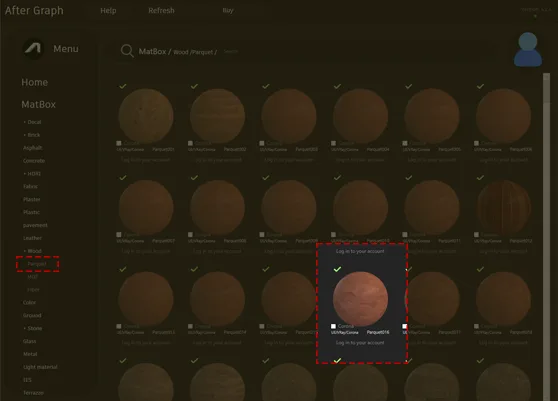
Save Time with AfterBox
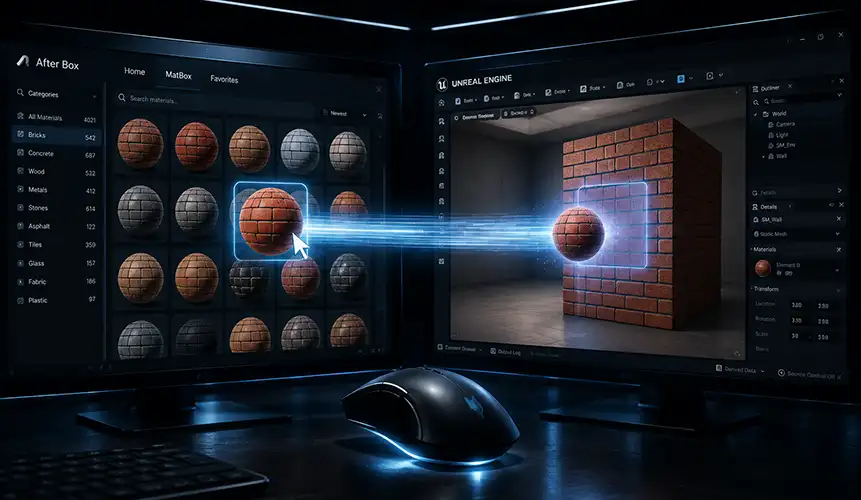
Browse, download and apply materials directly in Unreal Engine, V-Ray and Corona.
### Integrating Realism Through Surface Imperfections
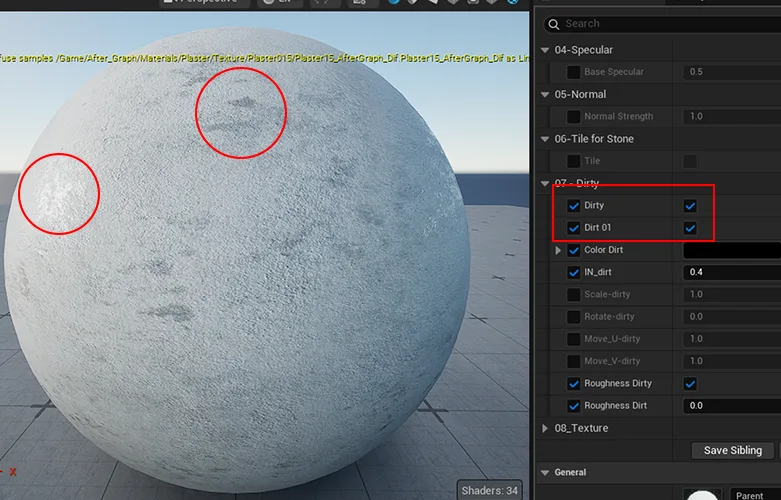
While the base texture is clean, realism in 3D visualization often lives in the details. Adding a subtle procedural map for surface dust or light scuffing in the grout lines will prevent the floor from looking like an unblemished digital asset. Focus your wear and tear maps along high-traffic paths—such as the center of a hallway or in front of a primary seating arrangement—to suggest human occupation and authentic use.


### Ready Material Workflow Benefits
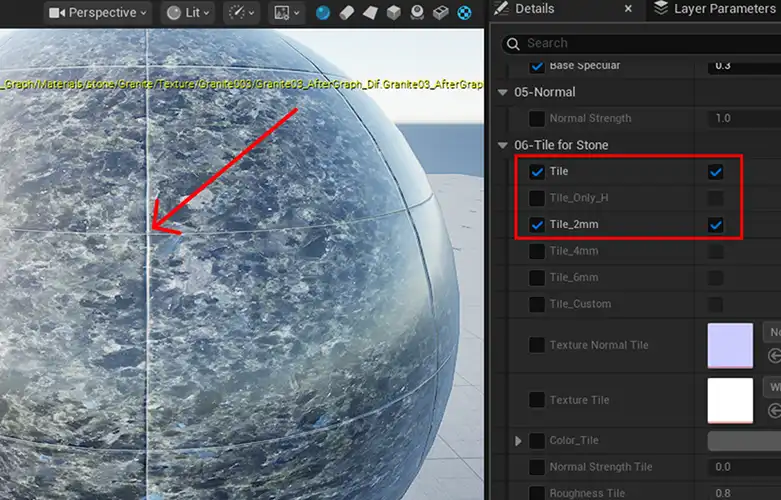
Efficiency is critical in fast-paced production environments. This asset provides a complete PBR material setup, allowing you to bypass the manual node-tree creation process. Whether you are working in 3ds Max with V-Ray or developing real-time environments in Unreal Engine, the textures are optimized for immediate application. By using these calibrated ready-made materials, you ensure consistent results across multiple shots without the trial-and-error cycle often required to balance custom roughness and specular maps.
### Download and Workflow Optimization
The AfterBox library provides professional-grade assets designed to drag and drop directly into your scenes. This workflow drastically reduces production time, allowing you to focus on composition and lighting rather than basic material editing. For artists working across multiple software platforms, the universal PBR format ensures consistency in your final output. Explore more about project efficiency and access to our premium assets through our subscription plans at https://after-box.com/pricing/.
Save time on material setup
Instead of downloading this texture, use the optimized ready-made material for VRay , Corona Renderer (3ds Max) and Unreal Engine available in AfterBox.
No manual setup


