


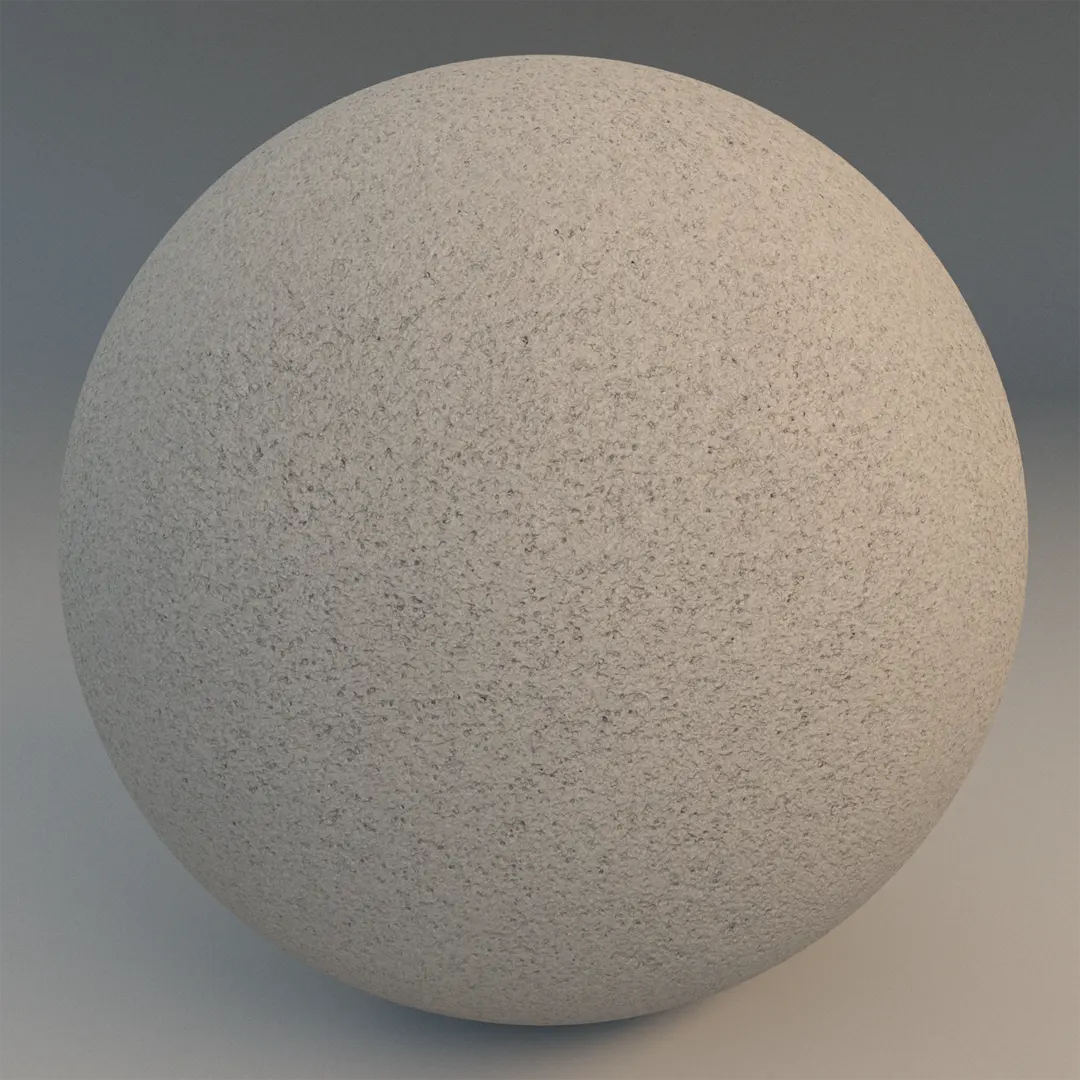
Achieving a Clean Minimalist Look with Fine Sanded Plaster
When you need a wall finish that feels authentic without overwhelming the composition, this free off-white fine sanded plaster serves as a versatile foundation. Its texture is defined by a subtle, uniform grain that avoids the “plastic” look often associated with overly smooth renders. Whether you are building a contemporary living room or a high-end retail environment, this material provides the necessary organic micro-relief to catch light and create realistic shadows, making it a staple for any interior designer or 3D artist’s library.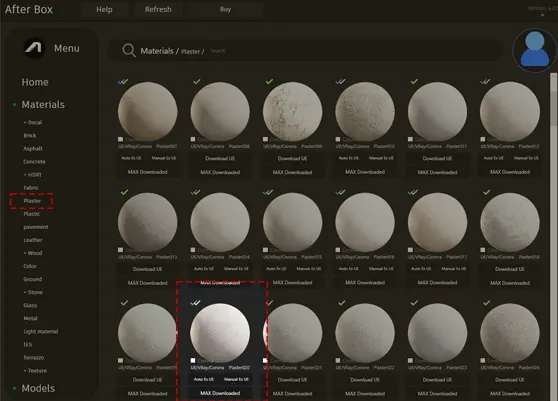
Applications in Professional Environments
This material shines in spaces that demand a neutral but tactile backdrop. For architects and interior designers, it works exceptionally well for large-scale wall systems where the goal is to create a soft, diffusing surface. In residential projects, it provides a sophisticated finish for fireplace surrounds or gallery-style walls. Game environment artists will find it equally useful for creating clean, modern interiors or for texturing modular wall assets in architectural visualization projects.Styling and Aesthetic Pairings
The neutral tone of this plaster makes it highly adaptable to various design movements. It acts as an anchor for Wabi-Sabi or Scandinavian interiors, especially when paired with natural oak wood or matte black metal accents. Because the grain is so fine, it doesn’t fight for attention, allowing furniture pieces or structural lighting to stand out. It pairs beautifully with cool-toned stones like travertine or warm linens, providing a balanced, sophisticated environment.Technical Rendering Performance
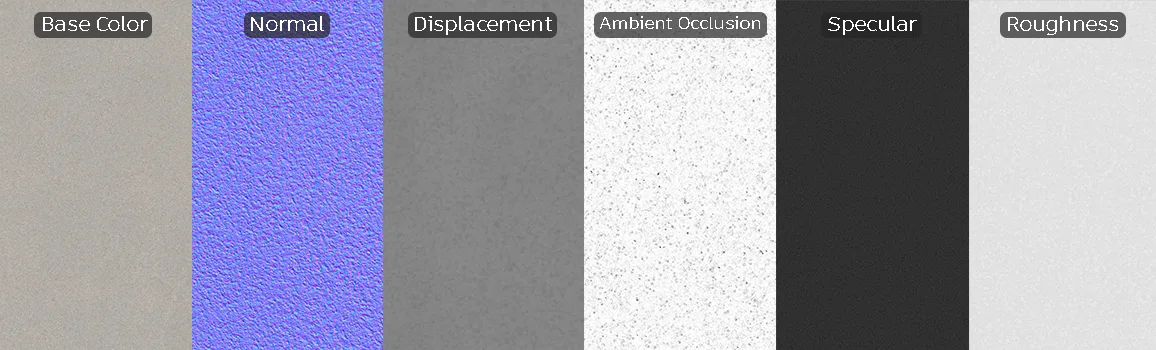
We have developed this material as an 8K PBR asset to ensure it holds up at various distances. The inclusion of Ambient Occlusion and Displacement maps is vital for this surface; applying the Displacement map correctly is the secret to capturing those fine-grained highlights under raking light.– Use the provided Normal map for mid-range shots.
– Leverage the Displacement map for extreme close-ups to define the sandy texture.
– Keep the Roughness map active to maintain the correct matte light-diffusion.
One caution: avoid over-scaling the tiling in your viewport, as the fine grain can sometimes exhibit “pattern repetition” if scaled incorrectly over massive exterior facades.
Save Time with AfterBox
Browse, download and apply materials directly in Unreal Engine, V-Ray and Corona.
Enhancing Realism Through Subtle Weathering
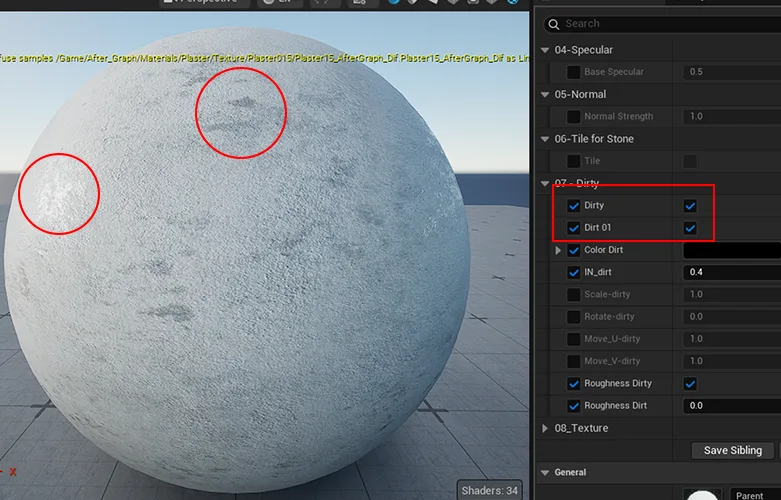
To move beyond a “showroom-perfect” look, consider blending this material with localized grime or dust. Adding a light, semi-transparent layer of dust or subtle darkening near floor-to-wall transitions significantly increases the sense of age. In exterior stucco applications, using a secondary noise-based mask to introduce slight color desaturation or weathering near windows adds a layer of depth that keeps your visualization from feeling artificial.

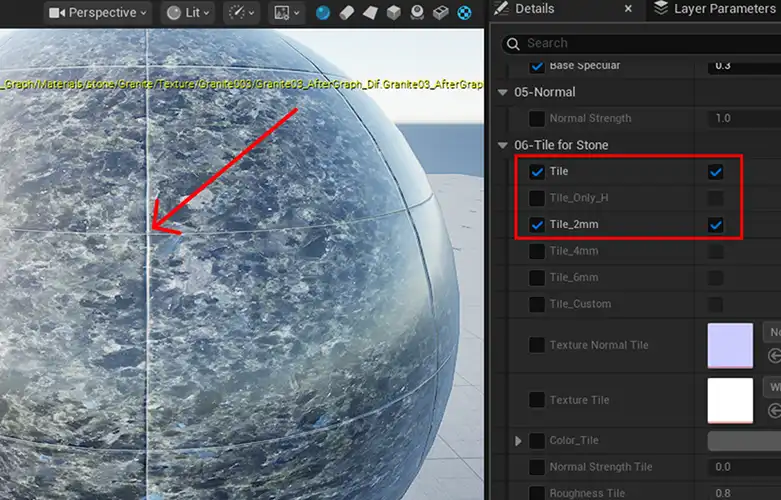
Pre-built Materials for Fast Iteration
This free ready-made material package streamlines your pipeline by including pre-configured settings for V-Ray, Corona, and Unreal Engine. Instead of spending hours adjusting shaders, you can simply apply these files to your geometry and focus on your lighting and layout. By using these optimized assets, you ensure consistent physical responses across different rendering engines without the trial-and-error often required when setting up custom plaster shaders.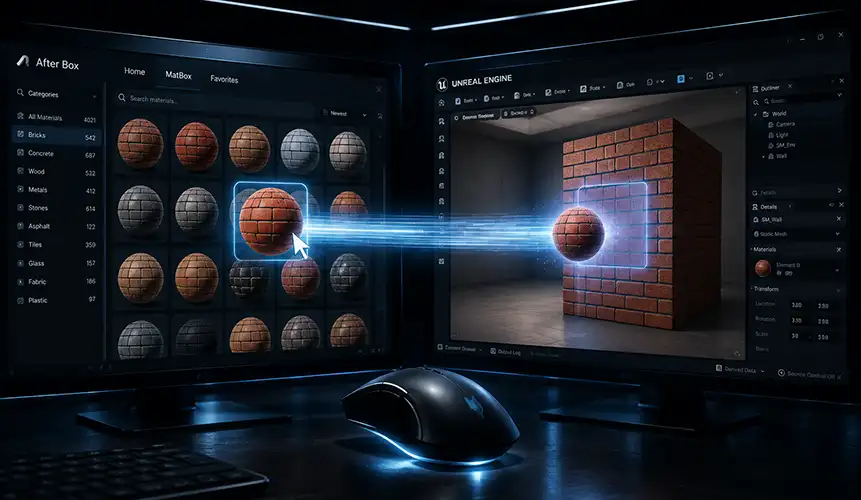
Seamless Integration with AfterBox
Downloading this asset allows you to leverage our high-resolution library directly within your software. Simply drag and drop the material into your scene to see immediate, high-quality results. If you need a more diverse library to support complex architectural projects, explore our subscription options to gain full access to our entire professional collection: https://after-box.com/pricing/

Save time on material setup
Instead of downloading this texture, use the optimized ready-made material for V-Ray , Corona Renderer (3ds Max) and Unreal Engine available in AfterBox.
No manual setup


