




A) Introduction and Material Overview
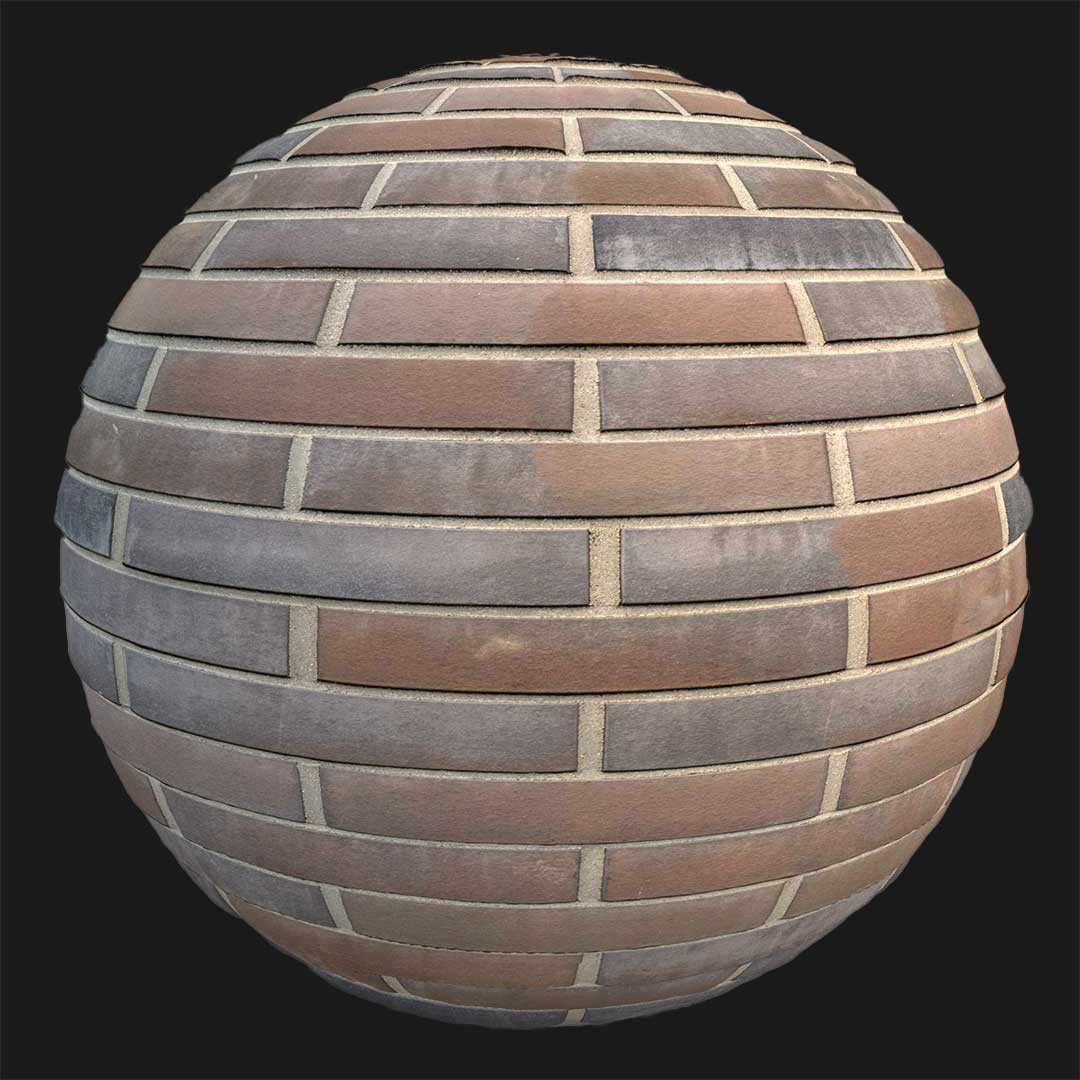
This Light Grey Pressed Brick material offers a clean, contemporary aesthetic characterized by a consistent running bond pattern and uniform, sharp-edged mortar joints. With its cool, pale taupe and off-white undertones, it serves as a high-quality, professional-grade asset for scenes requiring a minimalist architectural finish. Whether you are building out a modern facade or a sleek interior feature wall, this light grey brick texture provides a reliable foundation that avoids the visual noise often associated with traditional, weathered masonry. Its 5K resolution ensures that it holds up under close scrutiny, making it an essential addition for high-end visualization workflows where precision is paramount.

B) Best Uses in Real Projects
The uniform nature of this material makes it exceptionally versatile across both architectural and game design environments. In interior design, it is ideal for modern fireplace surrounds or as a textured backdrop for contemporary kitchen backsplashes where a refined, industrial edge is desired. For exterior applications, its clean aesthetic complements modern residential building facades and minimalist garden walls.
In the realm of architectural visualization, it works perfectly for daylight-heavy exterior shots or clean, gallery-style interior spaces. Game environment artists will find this material particularly useful for creating suburban residential streets or high-end urban commercial zones where the architecture needs to look modern and well-maintained. Its consistent pattern ensures it reads well from both wide-angle cinematic shots and closer hero-asset perspectives.
C) Design Pairing and Style Fit
This material is tailored for design styles that prioritize order and light, such as Scandinavian, modern minimalist, and contemporary industrial. It pairs beautifully with materials that emphasize texture contrast, such as smooth light oak cabinetry, polished concrete floors, or matte black steel window frames. The neutral, cool color temperature acts as a bridge between stark white plaster and darker accent materials.
However, because this brick is intentionally clean and uniform, it may feel out of place in settings that require a historical, rustic, or traditional country-style aesthetic. If your scene calls for crumbling, weathered, or irregular masonry, this material will likely require significant modification to achieve that level of aged realism.
D) Rendering and Technical Notes
The PBR maps included with this material—Base Color, Specular, AO, Displacement, and Normal—ensure a realistic surface response to varying lighting conditions. In V-Ray or Corona, the Displacement map is particularly effective at giving the recessed mortar joints and brick faces true physical depth, preventing the material from looking “flat” under side-on lighting.
When working in Unreal Engine, the texture maintains high visual fidelity. Because the surface is matte with fine-grained detail, it avoids unrealistic specular highlights while still catching subtle glints from light sources. A common pitfall is scaling the material too large or too small; because it is a standard brick size, we recommend maintaining a real-world scale to ensure the mortar lines align with standard construction geometry.

Save Time with AfterBox
Browse, download and apply materials directly in Unreal Engine, V-Ray and Corona.
E) Dirt, Dust, and Weathering Options
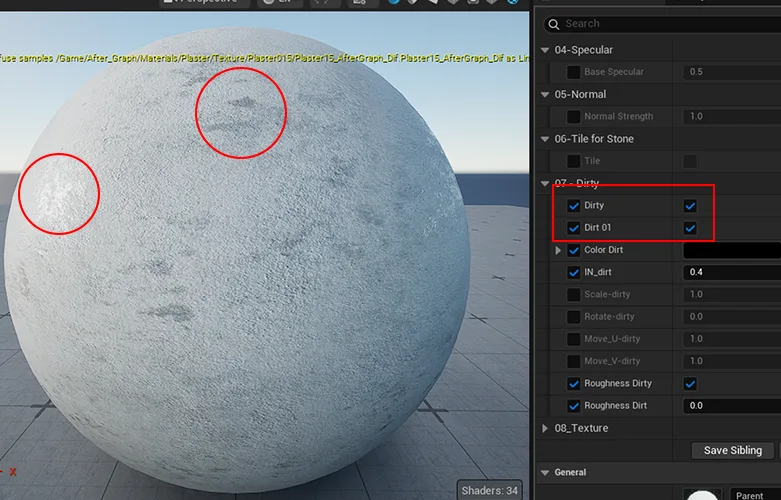
In its base state, this material is intentionally pristine. For high-end archviz, this cleanliness is often exactly what is needed for catalog-style renders. However, to ground the material in a more lived-in environment, you should consider layering a secondary dirt or dust map.
For exterior building facades, applying a subtle, procedural grunge map—specifically near the base of the wall or around window sills—can simulate rainwater runoff and street grime. In interior settings, keep the brick clean; the appeal of this specific material lies in its crisp, manufactured uniformity. If you do choose to add wear, keep it localized to edges and mortar lines to maintain the professional, architecturally specified look.


F) Ready Material Workflow
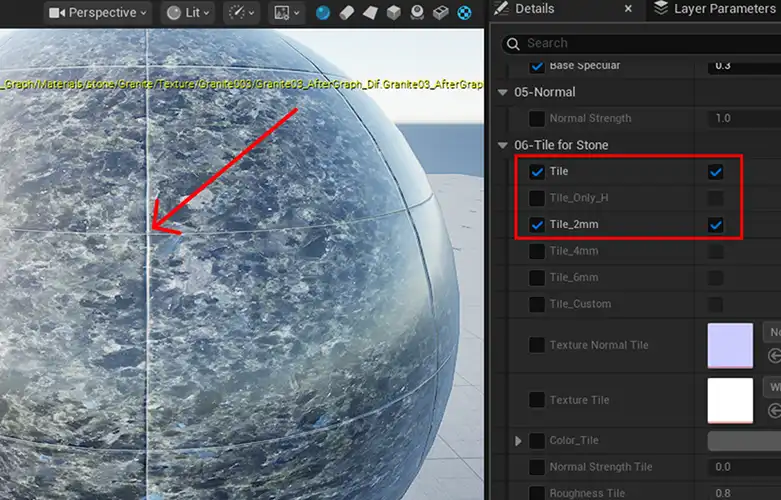
Our library provides ready-made materials specifically optimized for Unreal Engine, V-Ray for 3ds Max, and Corona Renderer for 3ds Max. By utilizing these pre-configured files, you bypass the tedious process of assigning individual maps and adjusting shader parameters. The PBR data is already mapped to the correct channels, ensuring that displacement and normal behavior are consistent with industry standards. These materials are built to save time in production, allowing you to focus on lighting and composition rather than foundational setup.
G) Download and AfterBox Workflow
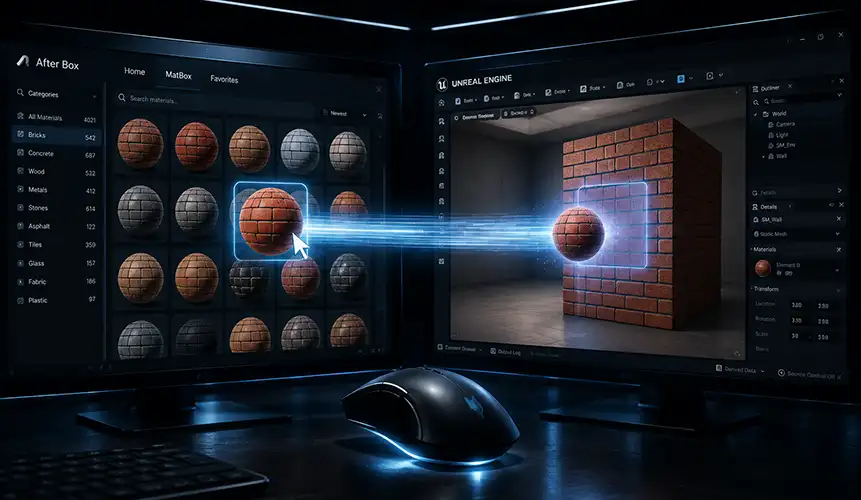
To streamline your production pipeline, this material is fully compatible with our lightweight AfterBox application. Simply drag and drop the ready materials directly into your preferred rendering software. This integration significantly reduces the time spent on repetitive material setup, ensuring your library remains organized and accessible. You can view our integration options and plans at https://after-box.com/pricing/ to see how it fits into your existing project pipeline.

Save time on material setup
Instead of downloading this texture, use the optimized ready-made material for VRay , Corona Renderer (3ds Max) and Unreal Engine available in AfterBox.
No manual setup


