
 Build Faster with AfterBox
Access over 4000 ready-to-use materials for Unreal Engine, V-Ray and Corona.
Create your account and receive $12 free credit.
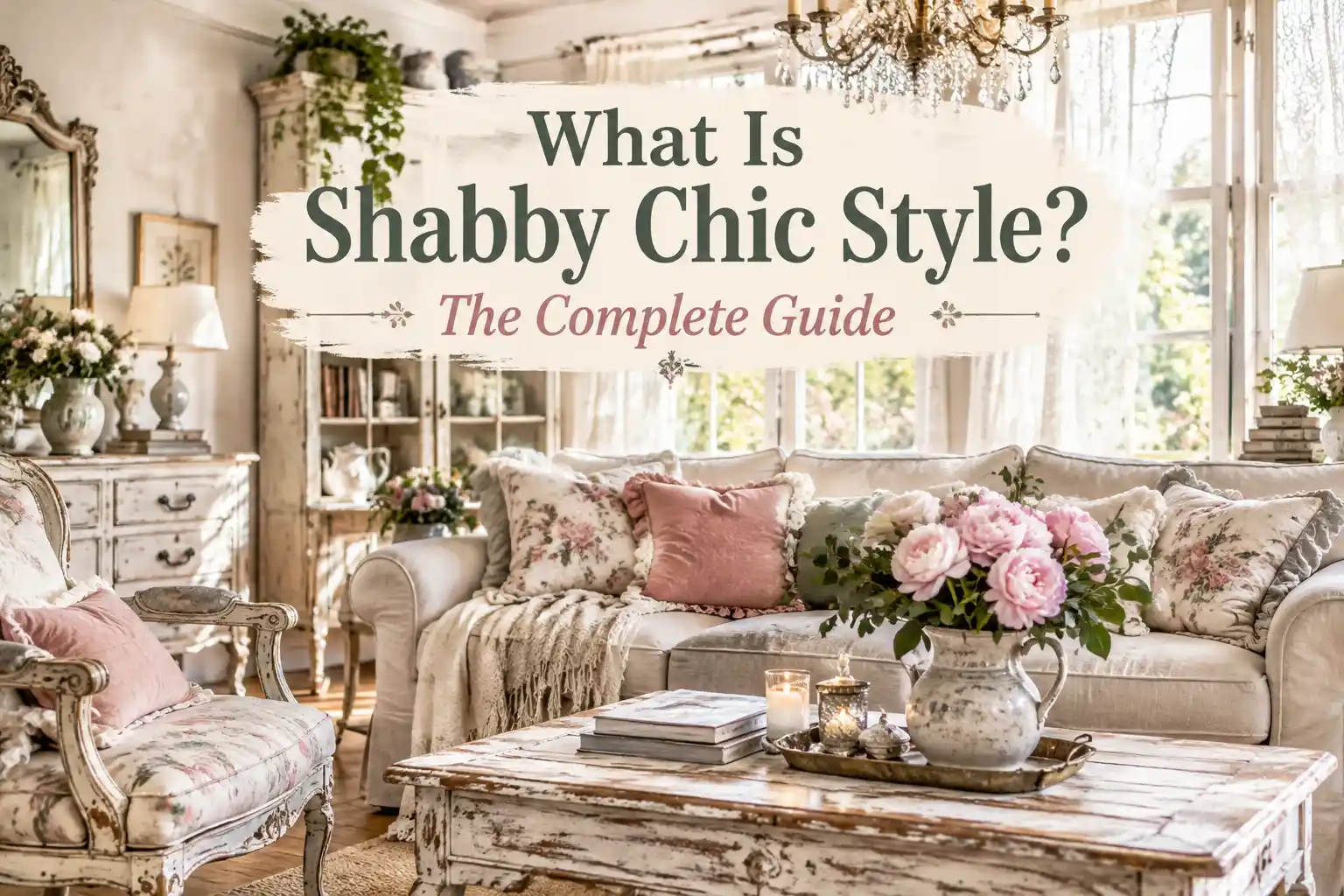
Introduction to Shabby Chic Style
If you have ever wondered what is shabby chic style, you are looking at one of the most enduring yet misunderstood interior design movements of the last several decades. At its core, shabby chic style is a balanced interior design approach that pairs weathered, comfortable, and worn-in elements with elegant, polished, and romantic touches. This aesthetic celebrates imperfection, proving that a home can look beautifully lived-in without sacrificing sophistication.
Understanding the exact nature of this design philosophy helps homeowners transform ordinary rooms into cozy, light-filled sanctuaries. Whether you are redecorating a single room or planning a whole-house makeover, mastering this look requires a careful eye for balance, texture, and history.
The Dual Origin History of Shabby Chic
The history of shabby chic interior design features a fascinating dual origin that shaped its global appeal. The term itself was first coined and popularized by Min Hogg in the British interior design magazine The World of Interiors during the 1980s. Hogg used the phrase to describe a distinct emerging aesthetic characterized by comfortable, time-worn British country house elements that felt effortlessly relaxed and unpretentious.
Shortly after its appearance in print, the look was brought to global mainstream fame by Rachel Ashwell. Ashwell opened her iconic Shabby Chic furniture shop in California, translating the British magazine concept into a commercial empire. She championed slipcovered sofas, flea market finds, and pale color palettes, cementing the style in American culture and turning shabby chic into a worldwide phenomenon.
The Conceptual Tension: Shabby Versus Chic
The true magic of this design movement lies in the conceptual tension built right into its name. The shabby element represents the worn-in, comfortable, and imperfect qualities of the space. It includes chipped paint, faded fabrics, and items that show the beautiful patina of age and daily use.
On the other hand, the chic element introduces a polished, elegant, and curated quality. Without the chic component, a room simply looks messy or neglected. When you pair distressed surfaces with sparkling crystal chandeliers, delicate lace, or refined French-influenced furniture, the tension resolves into a sophisticated space that feels both welcoming and elevated.
Core Visual Elements of Shabby Chic Design
Creating an authentic aesthetic requires careful attention to specific design components. From color palettes to hardware choices, every layer contributes to the overall atmosphere of comfort and romance.
Looking for a Faster Workflow?
Instead of creating every material manually, use a library of over 4000 ready-to-use materials and import them into your projects in seconds.
Soft Pastel and Neutral Color Palette
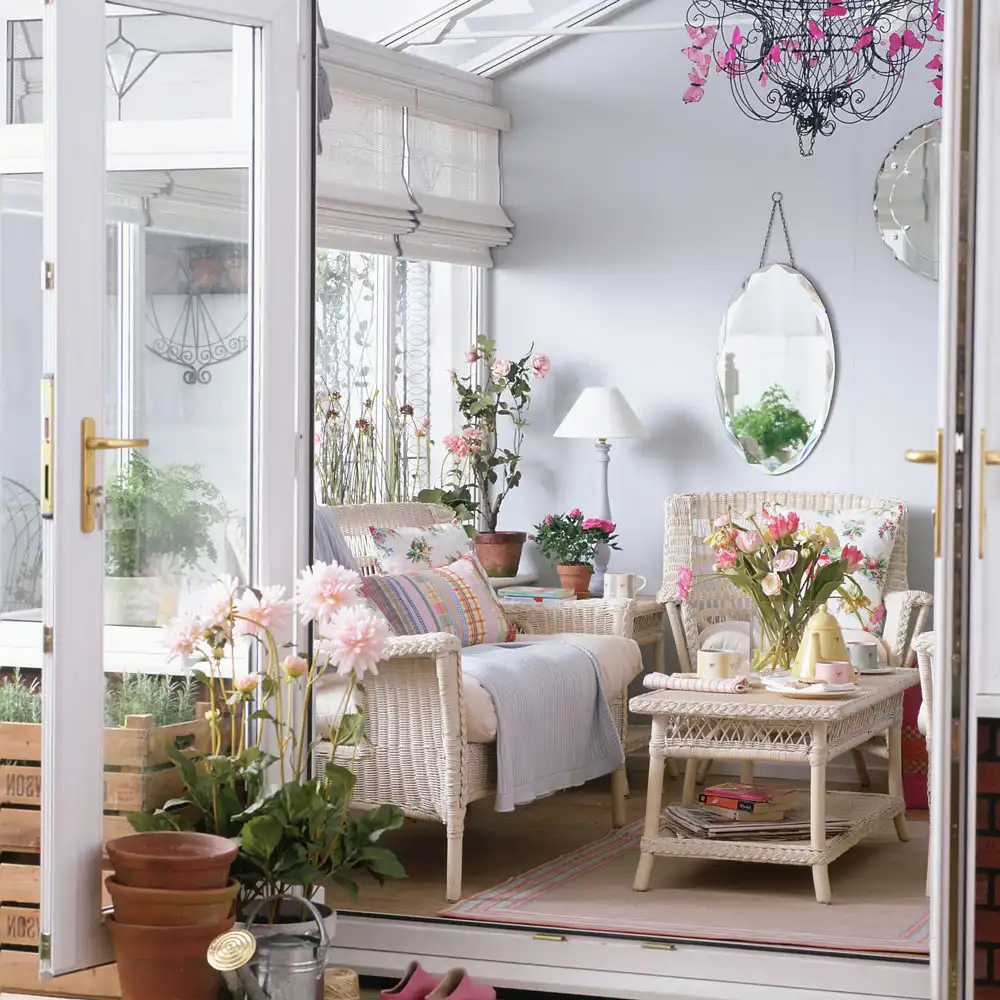
The foundational color scheme relies heavily on whites, creams, ivories, and pale pastels. Soft pinks, muted lavenders, gentle blues, and faded greens create a bright, airy backdrop that maximizes natural light.
Distressed and Mismatched Furniture
Furniture in this style should never look like it was purchased as a matching set. Distressed wooden tables, chippy dressers, and elegant French-influenced pieces with cabriole legs sit comfortably side by side, showcasing their history and craftsmanship.
Architectural Details
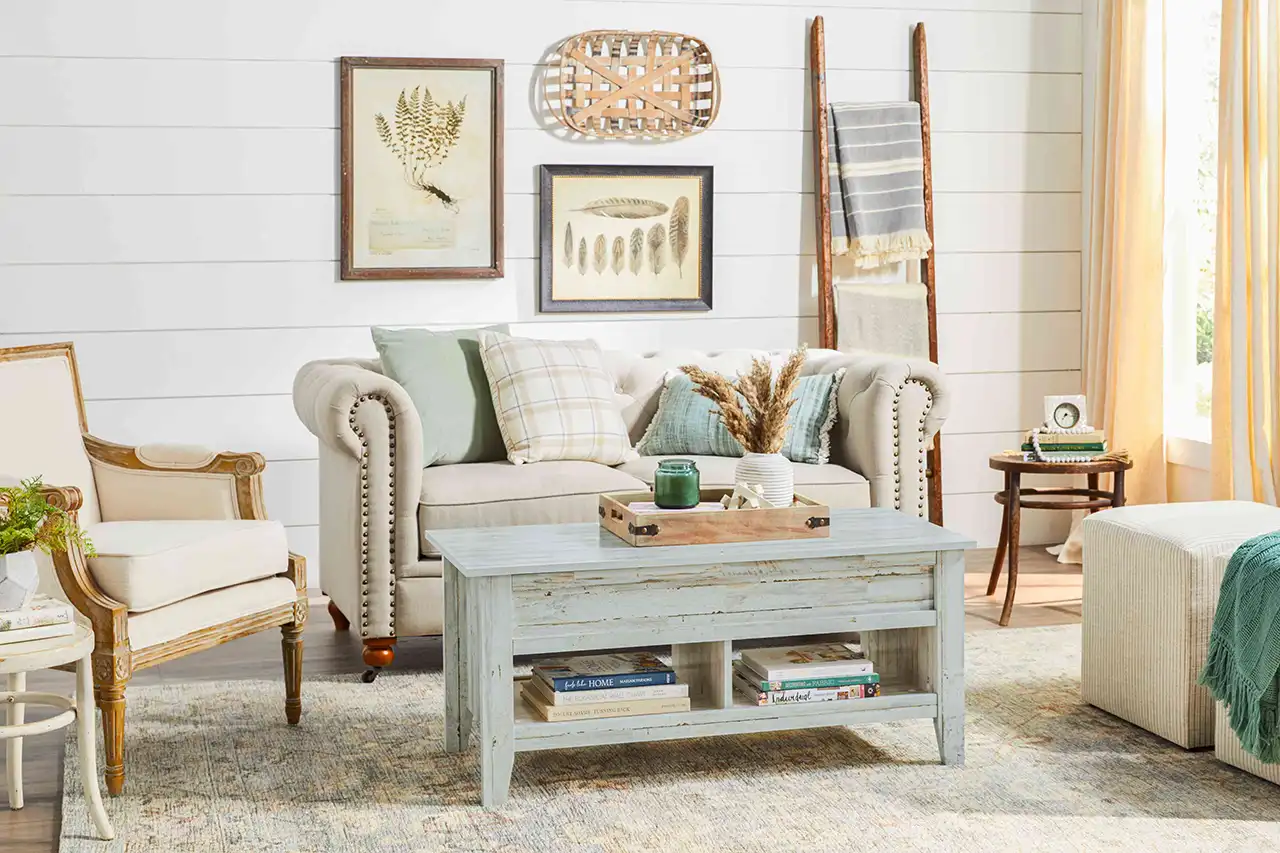
Classic architectural features add immediate character to a room. Wainscoting, beaded board, crown moulding, and vintage paneling provide a traditional framework that supports the softer decorative layers of the interior.
Soft Flowing Window Treatments
Windows are typically dressed in lightweight, flowing fabrics that diffuse natural light. Sheer cotton panels, unlined linen curtains, and simple tiebacks allow the breeze to move through the room while maintaining privacy.
Layered Textures and Fabrics
Textural variety prevents a pale room from feeling flat or sterile. Combining heavy cotton duck slipcovers, vintage lace runners, burlap accents, and quilted throws creates a rich sensory experience that invites you to relax.
Romantic Accessories and Lighting
Accessories complete the narrative of the space. Vintage botanical prints, porcelain vases, weathered mirrors, and vintage crystal chandeliers provide the necessary sparkle and romantic charm to balance the rustic elements.
Comparing Shabby Chic with Similar Interior Styles
Many homeowners confuse this aesthetic with other popular design movements that also embrace vintage elements. The comparison table below highlights the key visual differences between shabby chic and its closest design relatives.
| Design Style | Primary Color Palette | Furniture Characteristics | Key Defining Elements |
|---|---|---|---|
| Shabby Chic | Pure whites, creams, soft pastels | Distressed, French-influenced, mismatched | Slipcovers, crystal chandeliers, lace, romantic elegance |
| Cottagecore | Warm earthy tones, botanical greens, floral hues | Handmade, vintage wooden, nostalgic | Floral prints, homespun crafts, rustic warmth |
| French Country | Sun-drenched yellows, lavenders, terracotta | Carved wood, provincial antiques, wrought iron | Toile de Jouy fabrics, rustic elegance, terra cotta tiles |
| Modern Farmhouse | Monochromatic neutrals, black, crisp white | Clean lines mixed with rustic reclaimed wood | Barn doors, industrial metal accents, utility lighting |
| Vintage | Mid-century brights or retro pastel mixes | Authentic era-specific pieces from the 20th century | Retro patterns, period decor items, nostalgic displays |
| Rustic | Natural wood tones, deep browns, forest greens | Heavy, raw log and natural timber furniture | Exposed beams, stone fireplaces, unrefined surfaces |
Common Mistakes to Avoid When Decorating
Achieving a balanced look requires avoiding a few common pitfalls that can easily derail your interior design project.

Using MDF or Engineered Wood
When sanding and refinishing furniture for this aesthetic, avoid using modern MDF or low-quality engineered wood. These materials chip and swell rather than wearing down gracefully, destroying the authentic antique look you want to achieve.
Overcrowding with Accessories
Resist the urge to fill every surface with mismatched knick-knacks. Too many decorative items create visual clutter rather than cozy charm, making the space feel disorganized instead of curated.
Losing the Chic Polish
Leaning too far into the shabby side of the spectrum leaves a room looking neglected or messy. Always maintain the chic polish by incorporating clean white paint, refined metallic lighting, or pristine linens to balance the worn elements.
Sourcing Authentic Shabby Chic Pieces
Building an authentic collection takes patience and a keen eye for potential. Sourcing items is part of the joy of this design journey.
Flea Markets and Thrift Stores
Local flea markets, estate sales, and charity shops are goldmines for vintage chairs, ornate picture frames, and solid wood case goods that just need a little love.
Refinishing Versus Buying New
Whenever possible, opt for refinishing solid wood vintage pieces over buying mass-produced new items. Sanding down old varnish, applying milk paint, and distressing the edges by hand yields an authentic result that manufactured items cannot replicate.
Modern Evolution and Resurgence
In recent years, the style has evolved significantly in modern homes. Following the pandemic, homeowners began prioritizing comfort, emotional warmth, and personal sanctuary spaces over sleek, minimalist coldness.
Today’s interpretation is slightly cleaner and less cluttered than its 1990s counterpart. Modern adaptations pair distressed architectural elements with contemporary neutral backdrops, proving that this design philosophy remains adaptable to contemporary living standards.
