


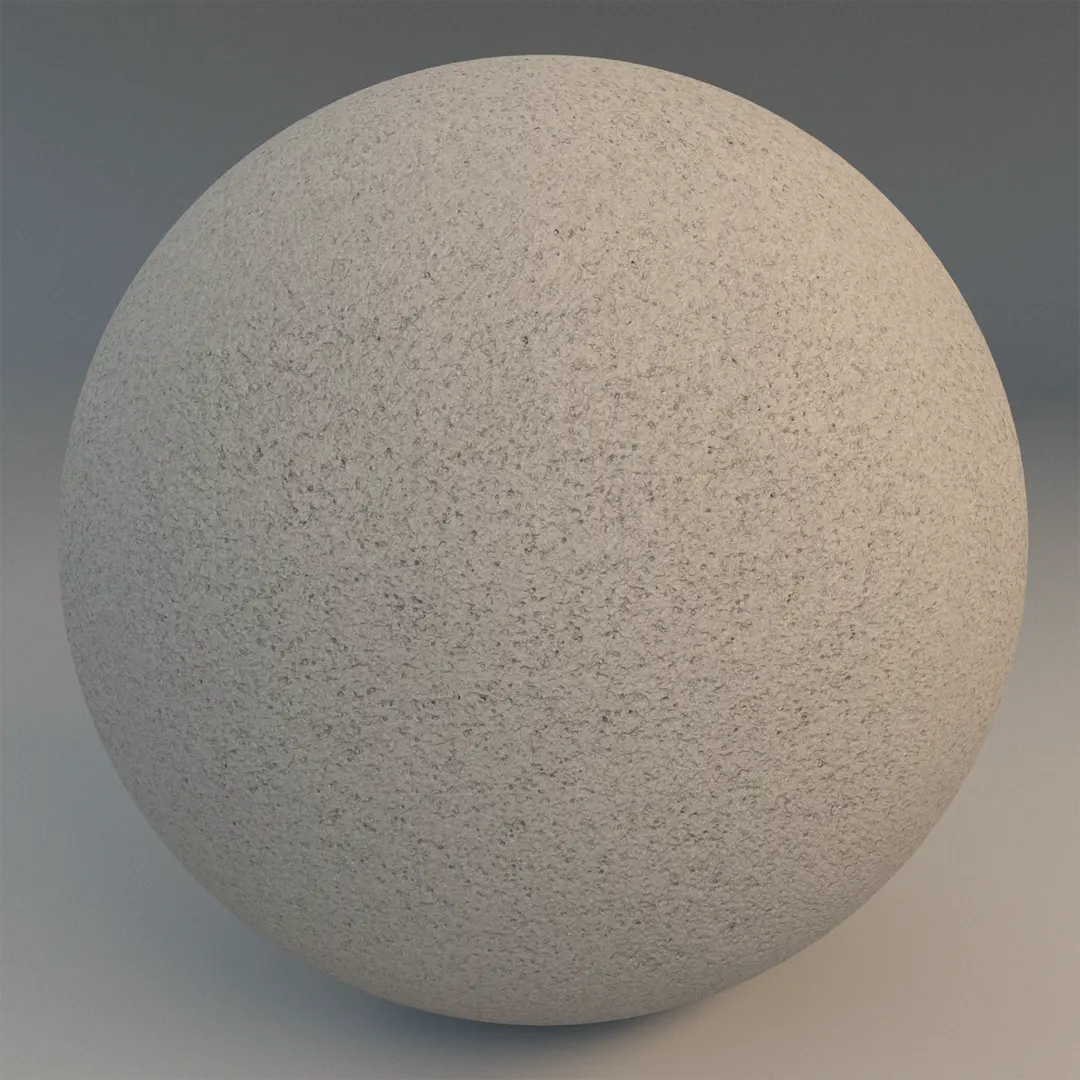
## Mastering the Fine Grain Off-White Plaster Look
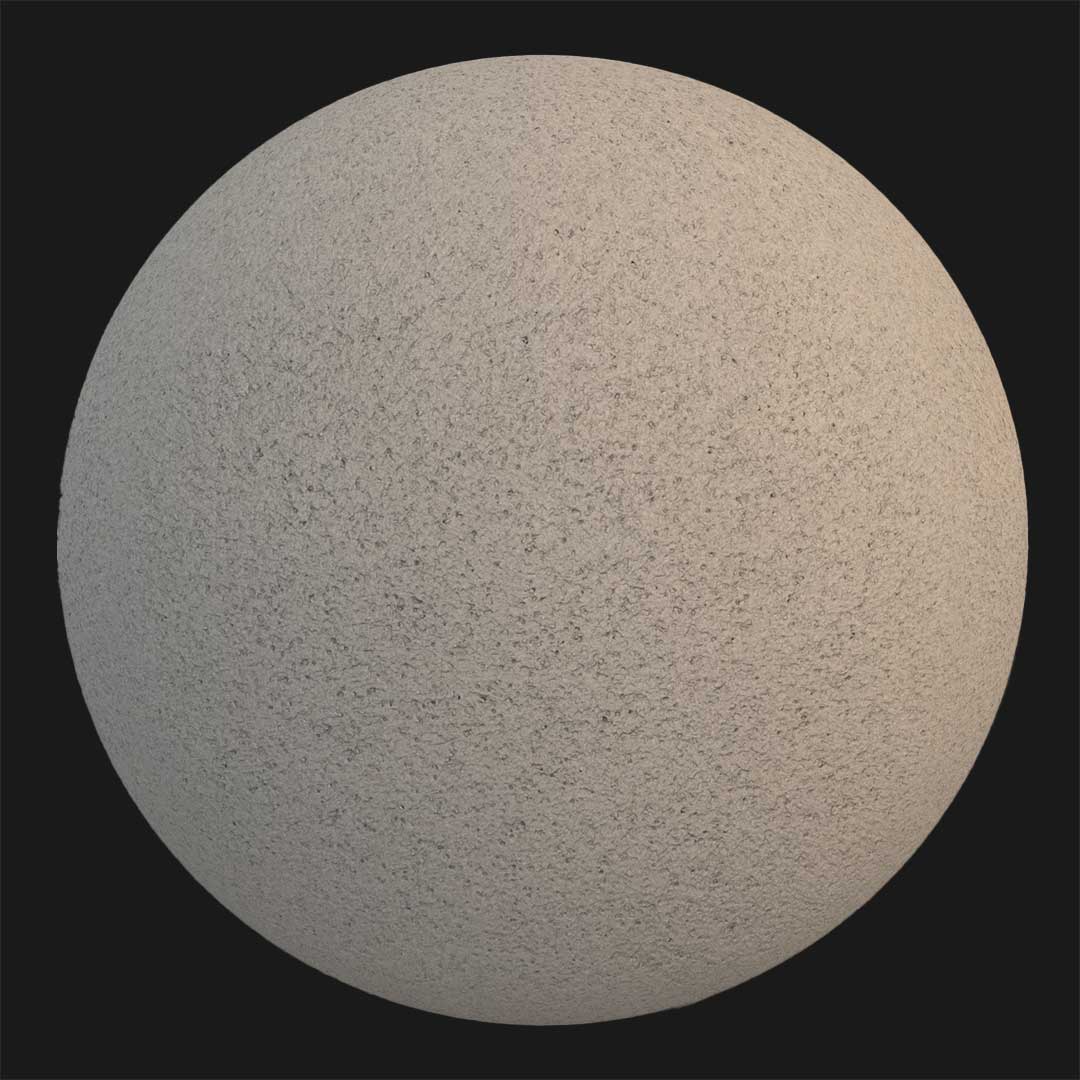
Achieving the perfect balance between clean, contemporary lines and organic tactile depth often comes down to the quality of your wall finishes. This fine grain off-white plaster offers a sophisticated, minimalist matte surface that avoids the sterile look of flat digital white. Its subtle, sandy aggregate texture creates a gentle light diffusion, making it an ideal choice for high-end interior visualizations where realism and soft shadows are paramount. Unlike overly smooth paints, this material carries a weight that feels authentic to hand-troweled applications.
## Versatile Applications for Modern Spaces
This plaster excels in environments that prioritize light and architectural clarity. In residential projects, it provides an excellent backdrop for gallery walls, entryways, and master suites designed in Japandi or Scandi styles. For commercial architectural visualization, it works beautifully in boutique retail spaces or minimalist office lobbies where you need to convey a premium, artisanal feel. Its neutrality ensures it does not compete with furniture, allowing materials like light oak or brushed brass to stand out.
## Interior Design and Material Synergy
The soft bone-toned hue of this material makes it remarkably easy to pair. It acts as a neutral canvas, working harmoniously with raw materials such as polished concrete floors or linen drapery. When using this for interior design concepts, consider the scale of your space; because the grain is fine, it maintains a crisp look even in large, open-plan rooms. It is less suited for high-moisture zones or industrial kitchens, where the slightly porous finish might look out of place without significant sealing or additional surface treatments.
## Technical Precision in Rendering
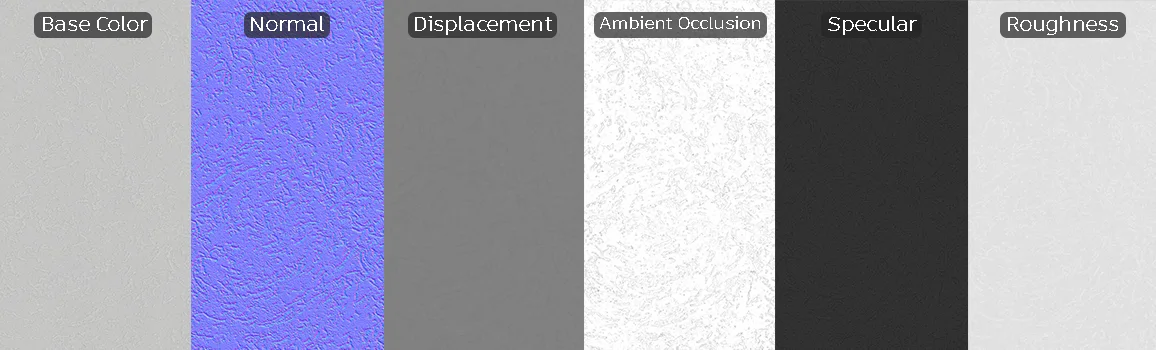
Rendered with 8K resolution, the included PBR maps are designed for high-fidelity output. The displacement and normal maps are particularly effective at capturing the micro-shadows created by the sandy texture, which prevents the material from looking “flat” under harsh artificial lighting. Whether you are working in V-Ray, Corona, or Unreal Engine, the texture maintains its integrity at close range. We recommend adjusting the displacement scale based on your camera distance to optimize the relief without unnecessarily increasing poly counts.
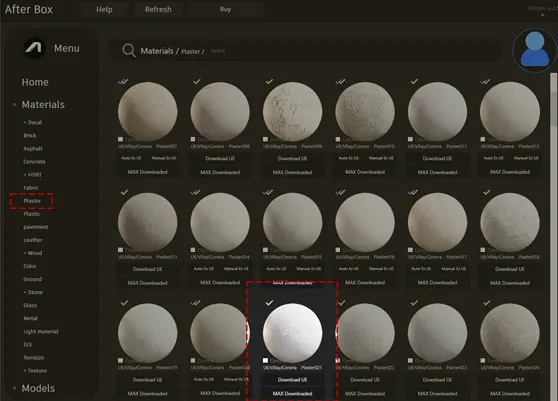
Save Time with AfterBox
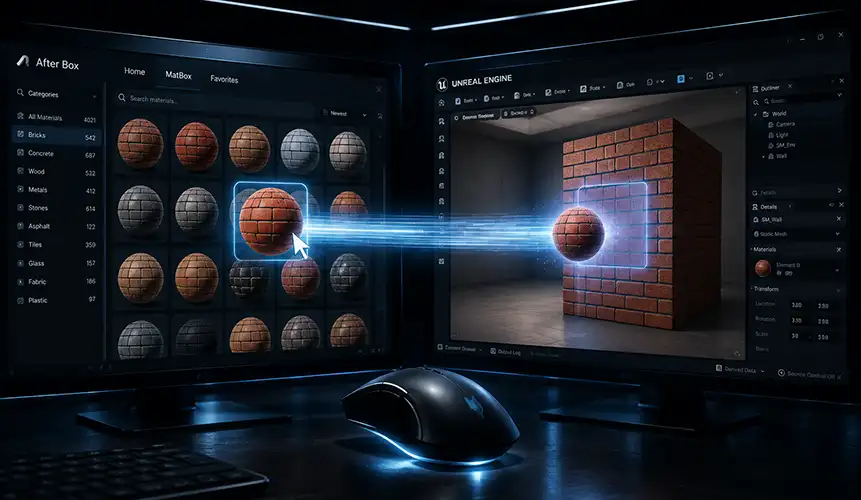
Browse, download and apply materials directly in Unreal Engine, V-Ray and Corona.
## Enhancing Realism with Surface Aging
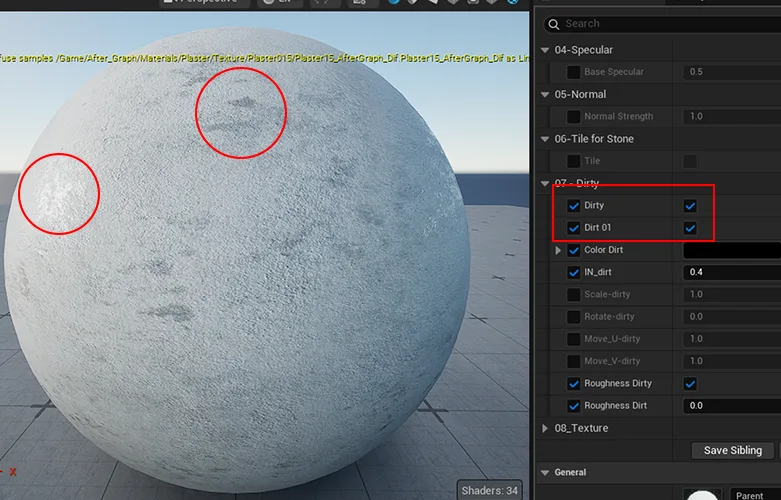
While this material arrives in a pristine, uniform state, real-world architecture is rarely perfect. To elevate your scene, consider adding a secondary pass of noise or dust layering through a blend material in your render engine. Subtle darkening at the bottom of walls or faint, irregular streaking can break up the tiling in large-scale environments, giving the plaster an aged, lived-in character that feels less like a catalog render and more like a captured architectural space.


## Streamlined Workflow with Ready Materials
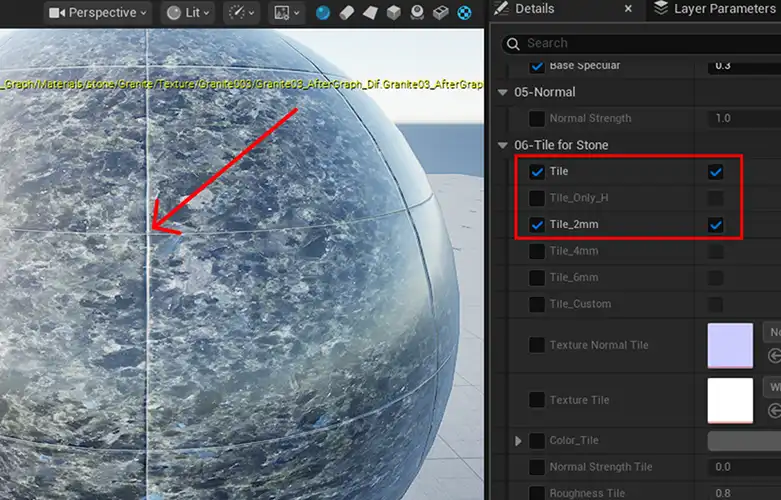
We understand that production timelines are tight. This material is fully prepared for instant integration into professional pipelines. By utilizing the ready-made material settings for V-Ray, Corona, and Unreal Engine, you bypass the time-consuming process of manual node setup. The maps are pre-configured to ensure the reflection, glossiness, and depth parameters align with industry-standard PBR workflows, allowing you to focus on lighting and composition rather than material troubleshooting.
## Seamless Integration into Your Pipeline
This high-resolution, seamless asset is designed to be dragged and dropped directly into your scene. By removing the friction of technical setup, AfterBox enables you to spend your billable hours on artistic decisions rather than file management. Our subscription model ensures you have access to a growing library of production-ready assets tailored for modern archviz workflows. Learn more about how to scale your project library at https://after-box.com/pricing/.
Save time on material setup
Instead of downloading this texture, use the optimized ready-made material for VRay , Corona Renderer (3ds Max) and Unreal Engine available in AfterBox.
No manual setup


