


**Architectural Precision and Design Character**
This modern white stacked brick surface defines the intersection of minimalist aesthetics and structural order. With its precise, long horizontal profiles and deep-set charcoal mortar joints, this material provides a clean, rhythmic quality that anchors contemporary architectural projects. The off-white tones are nuanced with subtle, natural variations, preventing the starkness often associated with pure white finishes. Its porous, stone-like texture offers a tactile quality that plays beautifully against glass, polished concrete, or brushed metallic accents. Whether utilized in a high-end residential facade or a refined lobby, this material establishes a sense of permanence and sophisticated restraint.

**Visualizing Depth Through Technical Execution**
When working with high-resolution PBR assets, lighting response is paramount. This material features a matte surface that minimizes harsh specular highlights, allowing the displacement map to define the geometry of the stacked bond. In close-up architectural shots, the deep mortar gaps interact with global illumination to create soft, realistic occlusion shadows. For real-time engines like Unreal, the 4K resolution ensures that the fine grain remains crisp, while the provided normal maps retain the integrity of the brick faces even under glancing light angles. Users will find that the lack of reflectivity makes this an ideal candidate for interior daylighting studies.

Save Time with AfterBox
Browse, download and apply materials directly in Unreal Engine, V-Ray and Corona.
**Where to Implement This Texture**
The versatility of this stacked brick makes it a staple for diverse visualization workflows. Externally, it excels as a clean backdrop for modern luxury homes, providing a contrast to large window mullions. In commercial interior design, it is perfectly suited for feature walls in minimalist office spaces or boutique retail environments, where the linear pattern guides the viewer’s eye. Game environment artists will appreciate the seamless tiling, which allows for expansive wall coverage in dystopian, high-tech, or clean architectural urban levels without noticeable pattern repetition.
**Simulating Age and Environmental Exposure**
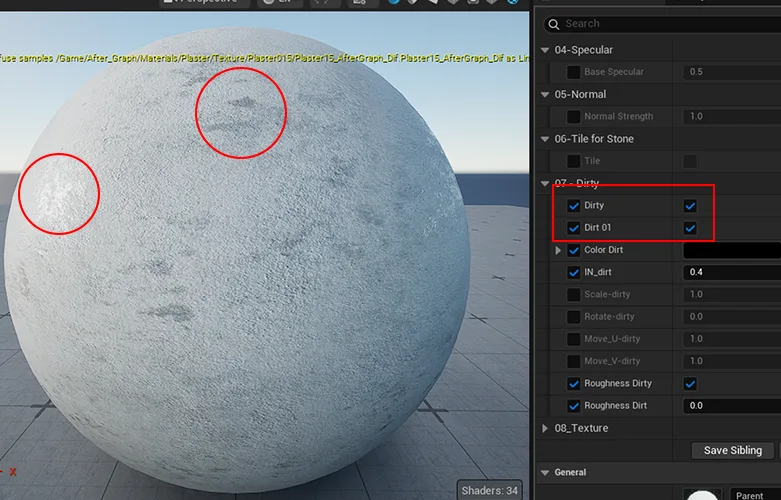
While the default texture presents a pristine, modern look, the reality of architectural environments often requires subtle wear. For exterior facade projects, adding localized dirt or dust layers—particularly near the base of the wall or around window sills—can significantly enhance realism. In interior scenarios, a faint accumulation of dust within the deep mortar recesses can help integrate the material into lived-in spaces. We recommend subtle blending of grit maps to break up the uniformity, ensuring the white brick surface retains its intentional, curated feel while still appearing physically integrated into the scene.


**Streamlined Workflow with Ready Materials**
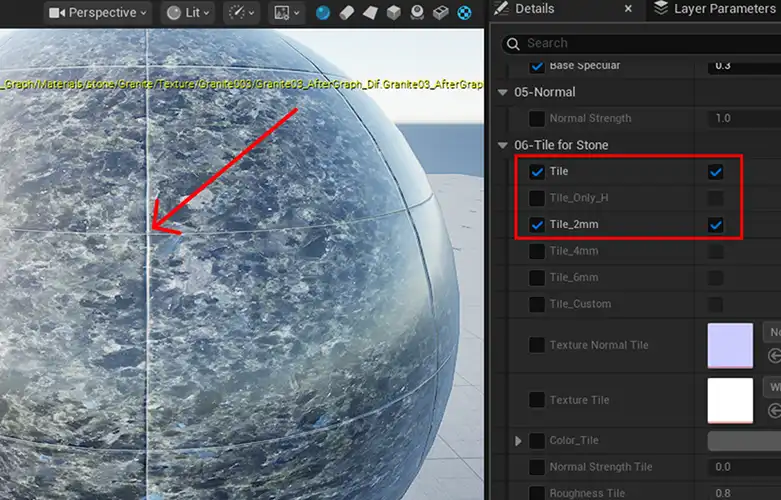
Efficiency is the cornerstone of professional visualization. This asset includes pre-configured materials for V-Ray and Corona for 3ds Max, as well as optimized shaders for Unreal Engine. By utilizing these ready-made setups, you bypass the tedious process of mapping displacement and fine-tuning specular values. Because the files are built on a robust PBR foundation, they are inherently adaptable to other industry-standard rendering pipelines, ensuring your project pipeline remains flexible and fast without sacrificing quality.
**Managing Assets via AfterBox**
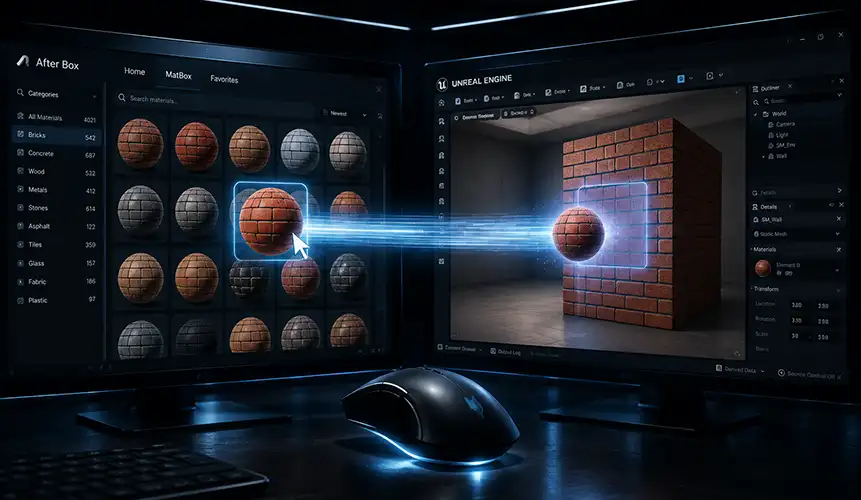
To maintain a high-velocity production environment, we provide this material through our AfterBox application. This lightweight tool allows you to drag and drop ready-made materials directly into your software viewport, drastically reducing project setup times. By consolidating material testing into a simple, efficient workflow, you gain more time for artistic composition. Explore our professional-grade material library and streamline your visualization process at https://after-box.com/pricing/.

Save time on material setup
Instead of downloading this texture, use the optimized ready-made material for VRay , Corona Renderer (3ds Max) and Unreal Engine available in AfterBox.
No manual setup


