



## Achieving Authenticity with a Woven Linen-Style Upholstery Fabric
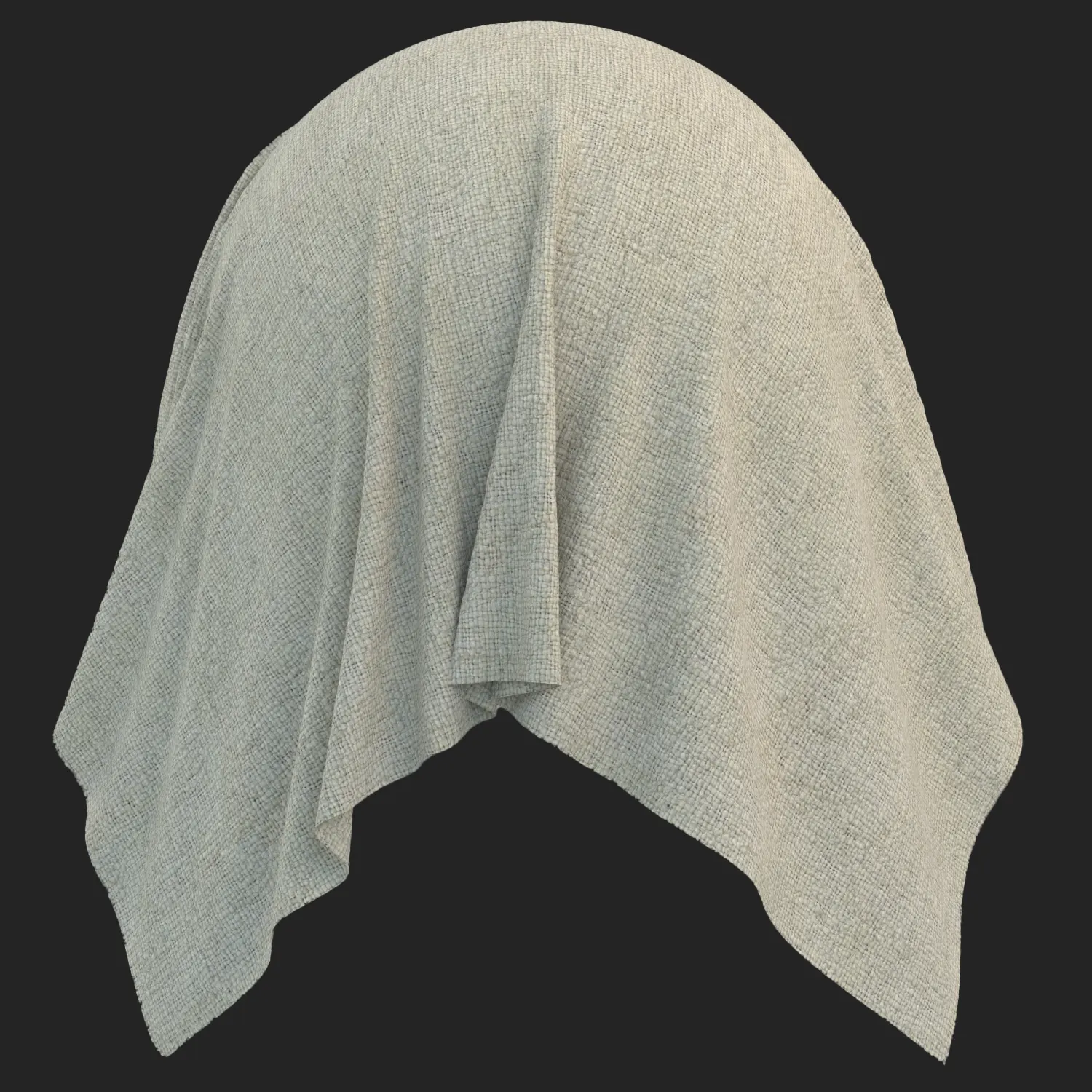
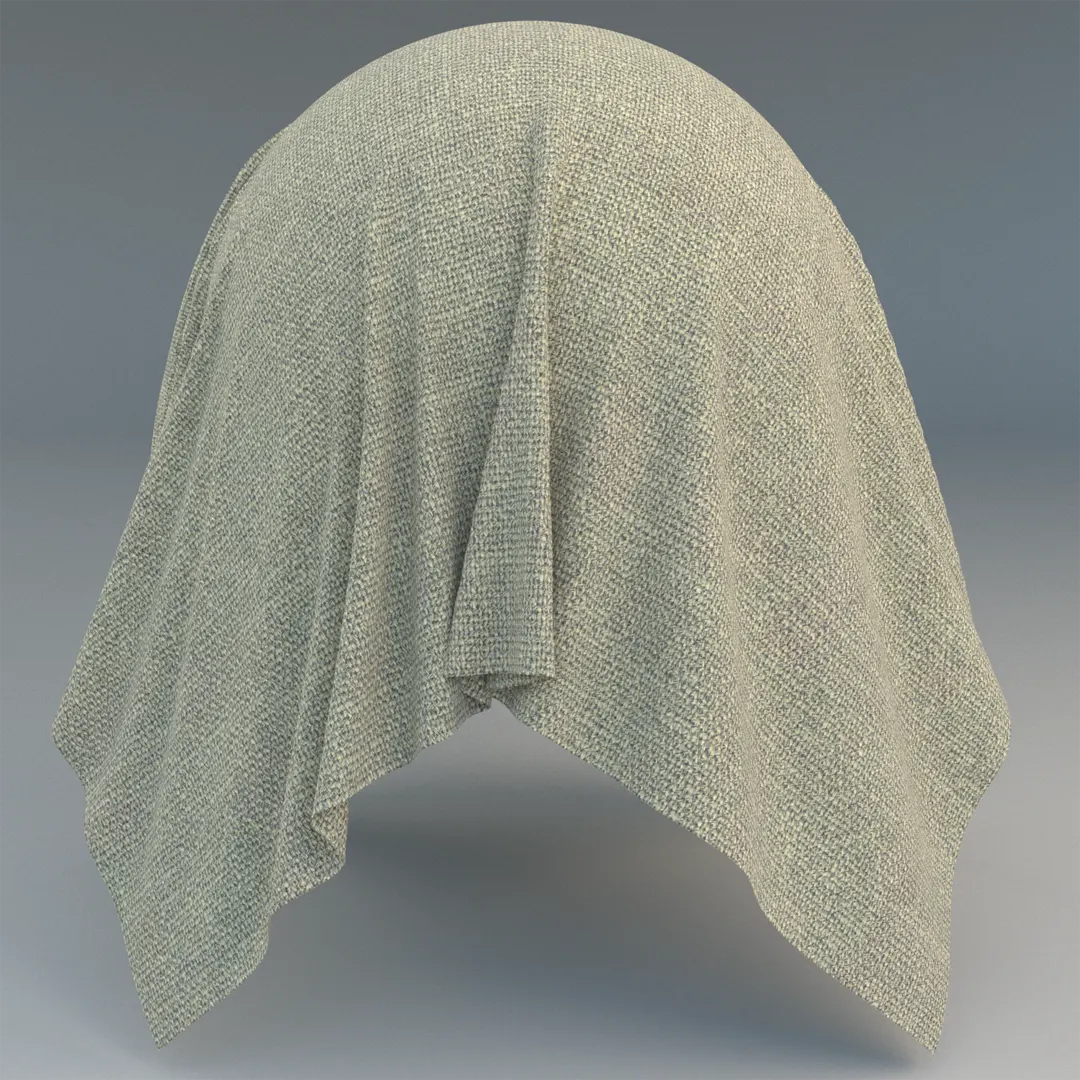
When building high-end interior scenes, the choice of fabric often dictates the perceived comfort and scale of the furniture. This woven linen-style upholstery fabric offers a neutral, sophisticated aesthetic that anchors modern living spaces. The material features a distinctive cross-hatch texture that mimics high-quality natural fibers, providing a matte, tactile finish that holds up well in both close-up camera angles and wide-shot architectural walkthroughs. By utilizing this woven fabric texture, you ensure that your digital furniture—from sofas to accent chairs—feels grounded and realistically weighted within your virtual environment.

## Versatile Applications for Modern Spaces
This material excels in environments where a clean, organic look is required. Its neutral color profile—shifting between soft beige, pale gray, and off-white—makes it an ideal choice for Scandinavian, Japandi, or modern farmhouse design schemes. In residential projects, apply this to deep-seated sectionals or headboards to impart a sense of softness. For commercial work, it serves as an excellent candidate for lobby lounge seating or boutique retail furniture, where the goal is to balance professional polish with an inviting, tactile experience.
## Styling and Material Pairings
Because of its coarse, matte finish, this fabric pairs exceptionally well with materials that offer high contrast. Consider placing it alongside polished concrete floors, matte black powder-coated metal legs, or warm oak wood accents to create a balanced material palette. The structural honesty of the linen weave complements raw, natural elements, preventing your renderings from looking too sterile or overly synthetic.
## Technical Execution and Rendering Performance
To capture the true essence of this textile, the material includes an 8K resolution map set, which is essential for preserving the integrity of the weave pattern at scale. The normal and displacement maps are specifically tuned to bring out the depth of the thread intersections, which is critical for realistic lighting behavior on curved upholstery surfaces.
* Ensure displacement is enabled to see the physical relief of the weave.
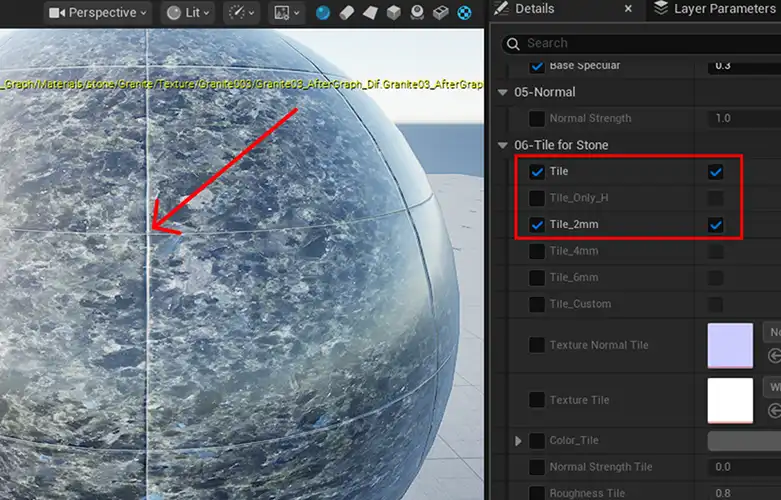
* Use a realistic tiling setting to prevent the pattern from repeating visibly on large surfaces.
* Adjust the roughness map intensity to match the light bounce of your specific scene environment.

Save Time with AfterBox
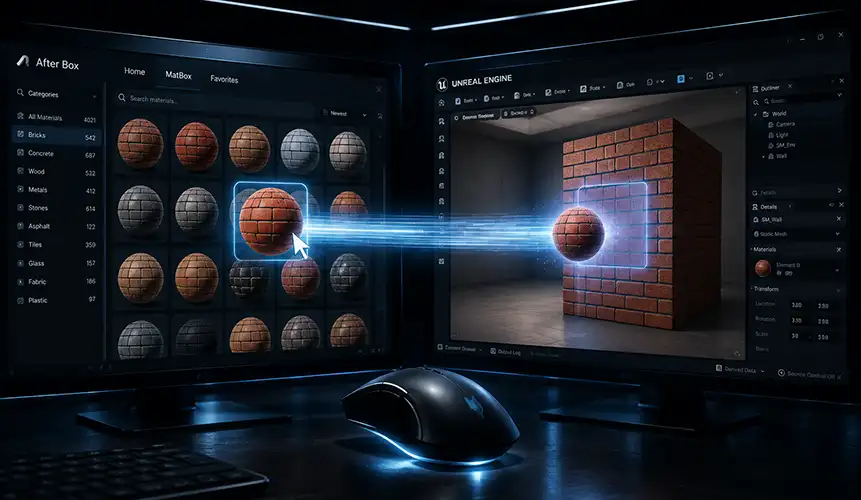
Browse, download and apply materials directly in Unreal Engine, V-Ray and Corona.
## Adding Character Through Wear
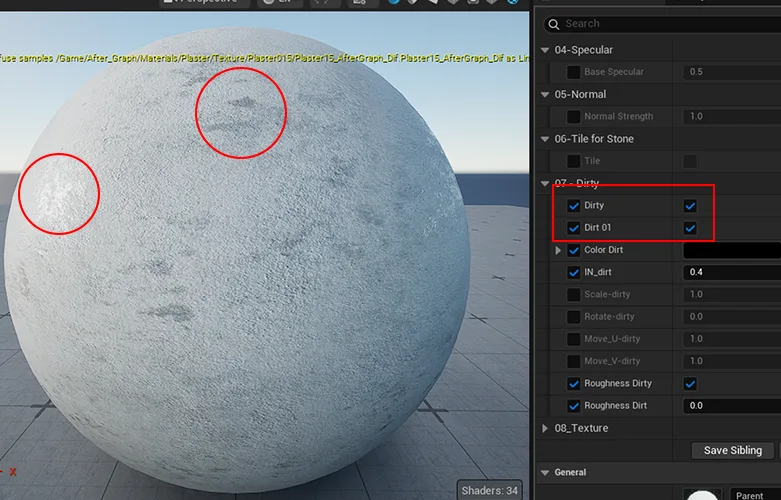
In professional archviz, pristine furniture can sometimes look “too perfect.” To elevate the realism of this linen material, consider layering a subtle dust map in the crevices of the weave or adding a noise-based opacity mask at the seams of cushions to suggest slight fraying. These minor imperfections break up the mathematical perfection of the tiling and help seat the object more naturally into your scene’s lighting environment.


## Streamlined Production Workflows
This PBR material is engineered for efficiency. Whether you are working in Unreal Engine, V-Ray, or Corona Renderer, the maps are pre-configured to ensure that the physical characteristics—such as specularity and surface depth—translate accurately without requiring deep manual troubleshooting. By relying on this professional-grade material set, you reduce the time spent on shader construction and focus your efforts on the artistry of the lighting and composition.
## Accelerate Your 3D Workflow
By integrating this asset into your library, you gain access to a drag-and-drop workflow that respects tight production deadlines. The ready-made material presets allow you to bypass the technical heavy lifting, letting you visualize furniture assets instantly. For users needing consistent, high-quality results across various projects, our premium subscription provides full access to our curated material ecosystem. For more information, visit https://after-box.com/pricing/.


Save time on material setup
Instead of downloading this texture, use the optimized ready-made material for VRay , Corona Renderer (3ds Max) and Unreal Engine available in AfterBox.
No manual setup


