


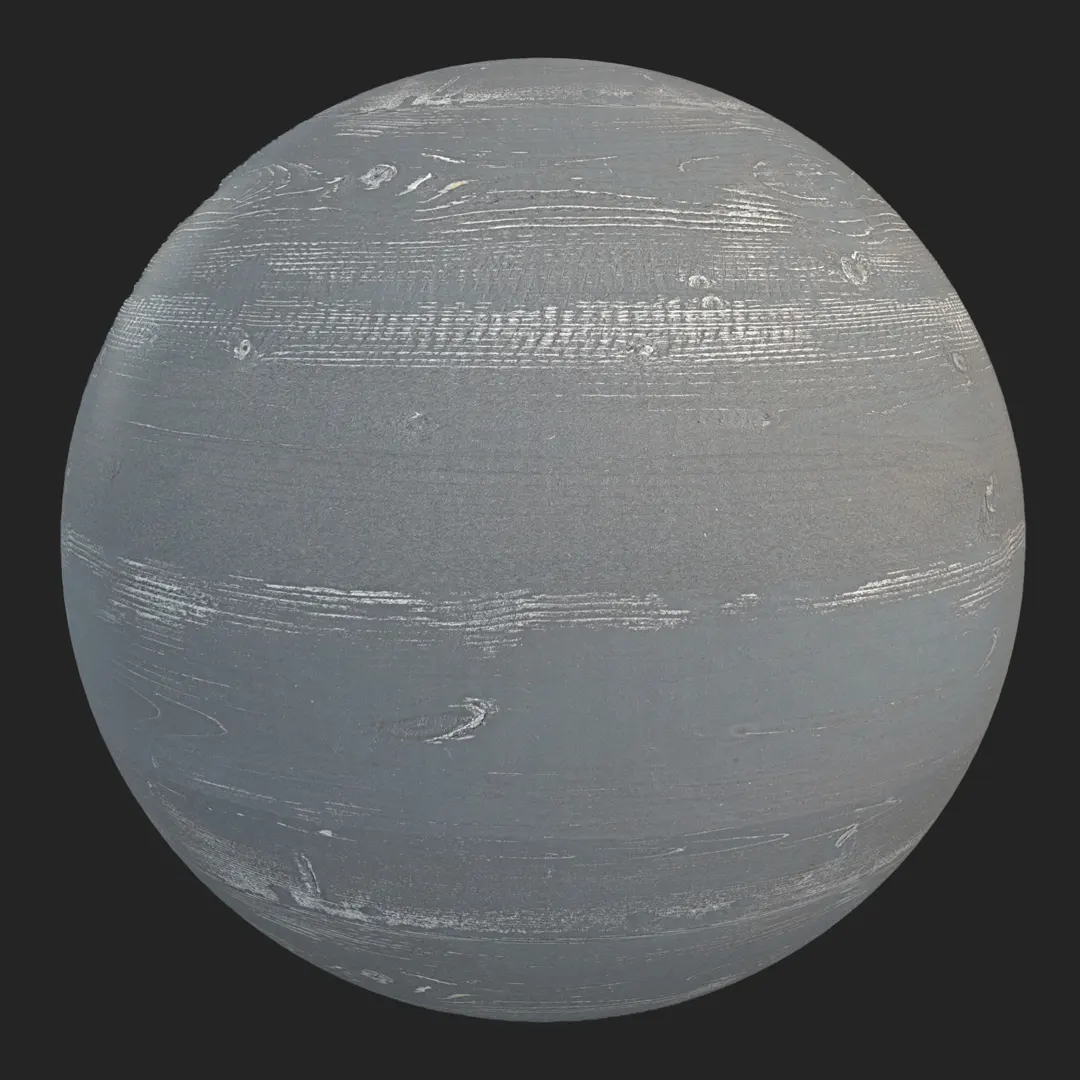


Understanding the Aesthetic of Weathered Silver Barnwood Planks
When specifying materials for projects requiring a sense of history or organic warmth, this weathered wood texture provides an essential aesthetic. Captured with a cool, silver-gray palette, the surface displays the distinct characteristics of reclaimed timber exposed to years of environmental cycling. With its deep vertical grain, pronounced knots, and varied longitudinal checks, it offers a high degree of surface relief that translates exceptionally well in both interior and exterior visualization. It avoids the polished appearance of new lumber, instead offering a matte, porous finish that feels authentic and tactile. Whether you are aiming for a Wabi-Sabi interior or a rugged, abandoned structure for a game environment, this material provides the necessary narrative depth.
Practical Applications for Architectural Design
This material excels in projects where a touch of imperfection is desired. Interior designers often use these planks for feature walls in farmhouse-style living rooms or as rustic headboards in bedroom projects. In architectural visualization, it is highly effective for exterior cladding on garden structures or coastal-style siding. For game environment artists, the high-resolution detail makes it a go-to asset for modeling ruined interiors or shanty-town exteriors where textures must support the storytelling of a space.Stylistic Pairings and Design Integration
To maintain the integrity of a rustic or industrial design, pair this silver-toned wood with materials that offer high contrast. It works beautifully alongside raw brushed steel, polished concrete, or exposed brickwork. The cool color temperature of the gray wood also complements soft white linens and matte neutral surfaces. While perfect for decorative accents, it is generally less suited for high-traffic flooring due to the deep surface relief and organic cracks, which might appear overly repetitive or problematic if scaled incorrectly in a large, open-plan floor design.Technical Specifications and Rendering Performance
This 8K PBR asset is designed for seamless integration. By leveraging the included Normal and Displacement maps, you can achieve genuine physical depth in your renders, ensuring that the grain ridges and cracks react properly to light sources. The roughness map is tuned for a matte finish, preventing unrealistic specular highlights that often plague lesser wood textures. For those working on close-up shots, the level of detail holds up perfectly, retaining sharp, organic features without pixelation or blurring.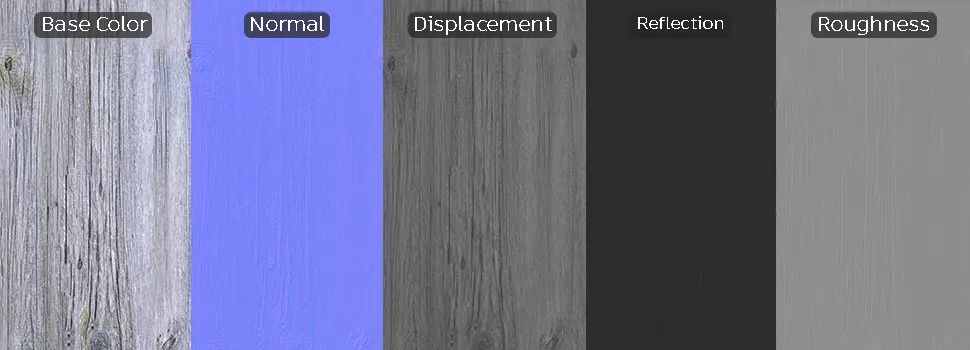
Save Time with AfterBox
Browse, download and apply materials directly in Unreal Engine, V-Ray and Corona.
Enhancing Realism through Surface Imperfections
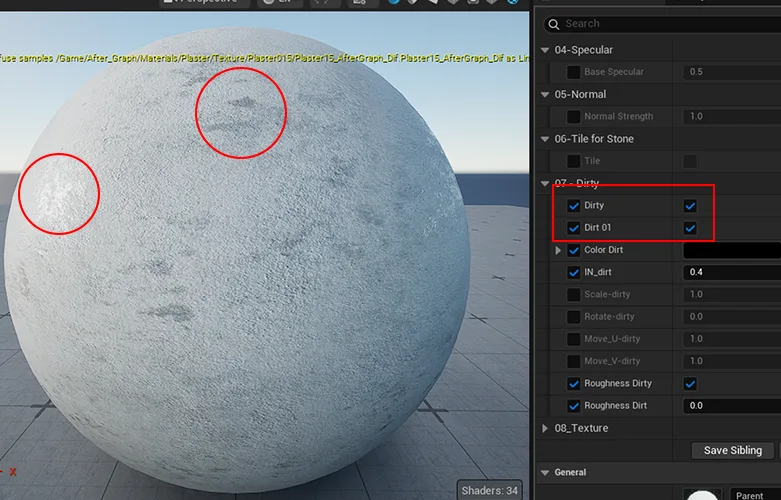
To elevate your scene, consider blending in localized variation. Subtle dust accumulation within the deepest grain crevices can break up the uniformity of the tiling pattern. In outdoor settings, adding faint, desaturated mossy green tones in the grain valleys can simulate long-term moisture retention. Small-scale splintering and darkening at the bottom edges of the planks can further ground the material within a scene, making it feel less like a digital surface and more like a physical element that has interacted with its environment over time.

Streamlining Production with Ready-to-Use Materials
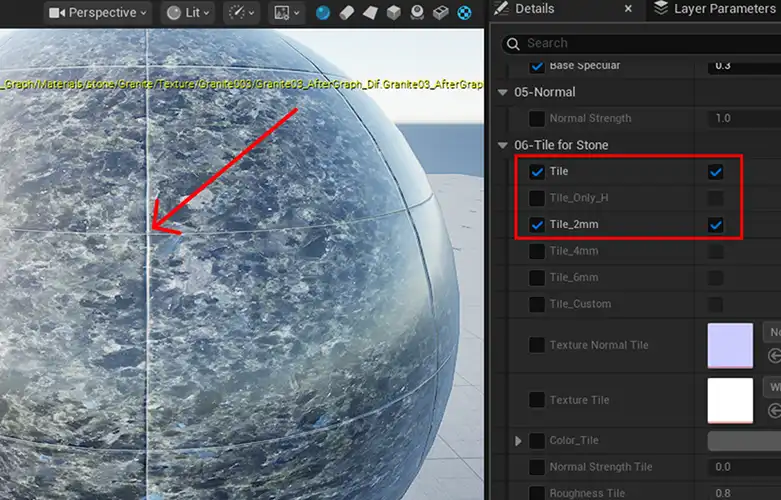
Integrating this material into your workflow is designed to be frictionless. It comes fully prepared for Unreal Engine, V-Ray, and Corona Renderer, allowing you to bypass the time-consuming process of manual material building. Because the textures are already optimized with PBR workflows, they function immediately upon import. You can simply assign the maps within your engine’s shading nodes, knowing the physical properties have been pre-calibrated for industry-standard lighting environments.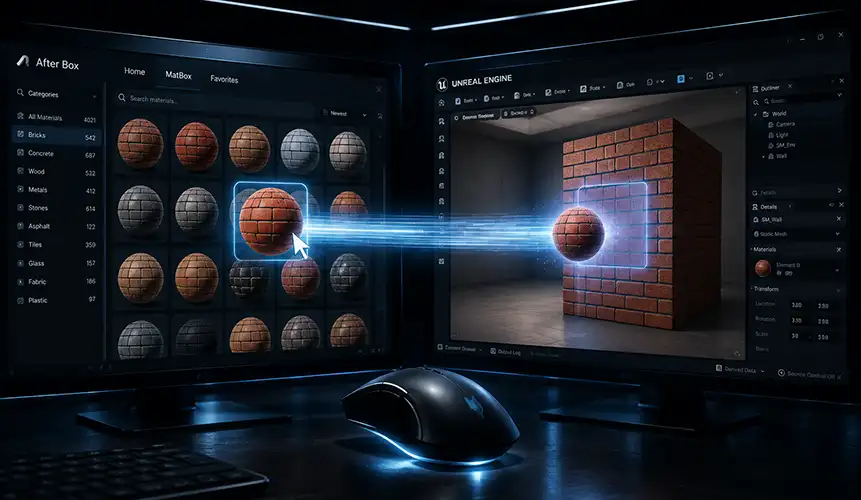
Accelerating Your Workflow
By using the ready-made version of this asset, you move from scene setup to rendering much faster. Whether you are dropping the material into a 3ds Max viewport or an Unreal Engine material instance, you are spared the technical overhead of shader construction. This efficiency is critical for meeting tight deadlines in archviz or game dev, where time is better spent on lighting and composition. For unlimited access to these high-quality, pre-configured assets, explore our subscription options at https://after-box.com/pricing/.
Save time on material setup
Instead of downloading this texture, use the optimized ready-made material for V-Ray , Corona Renderer (3ds Max) and Unreal Engine available in AfterBox.
No manual setup


