


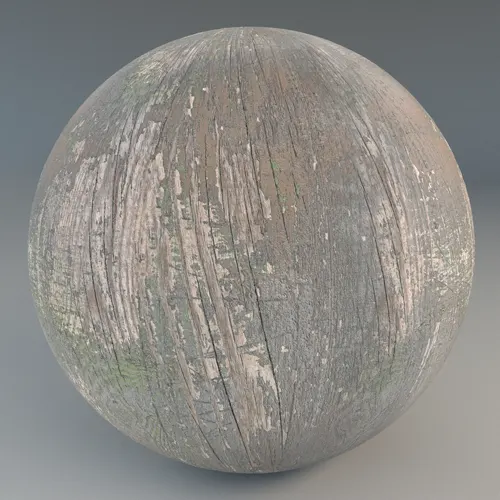
## Achieving Authenticity with Weathered Wood Textures
Finding a truly convincing, high-resolution weathered wood texture for architectural visualization requires a balance between grit and technical precision. This material captures the essence of aged lumber, featuring a complex interplay of peeling paint, deep fissures, and natural grain degradation. The cool, ash-toned base provides a neutral foundation, while the remnants of muted green paint add a layer of historical authenticity that breathes life into digital environments. Whether you are rendering a contemporary farmhouse renovation or a derelict industrial scene, this asset delivers the narrative depth needed to avoid the “clean room” look that often plagues computer-generated imagery.

## Optimal Applications in Professional Projects
This material is exceptionally versatile across different scales. In architectural interior design, it performs brilliantly for feature walls in cafes, rustic ceiling panels, or custom cabinetry in coastal-inspired homes. For game environment artists, the asset provides the perfect level of detail for creating immersive, lived-in worlds; think of it for siding on abandoned shacks or as a base for debris in a ruined cityscape. Its inherent character makes it ideal for historical preservation visualizations where structural wear and tear must be communicated clearly to the client.
## Stylistic Integration and Surface Pairings
The aesthetic fits perfectly within the “shabby chic” and industrial design movements. To ground this material in a realistic scene, consider pairing it with high-contrast, tactile surfaces. We often see this wood paired with corroded metal for a gritty workshop aesthetic or alongside exposed brick to simulate the character of a converted warehouse. If your project leans toward the minimalist or modern luxury sector, exercise caution; the heavy texture and aggressive aging might be visually distracting in a polished, high-end environment, though it can provide a striking accent piece.
## Rendering and Technical Specifications
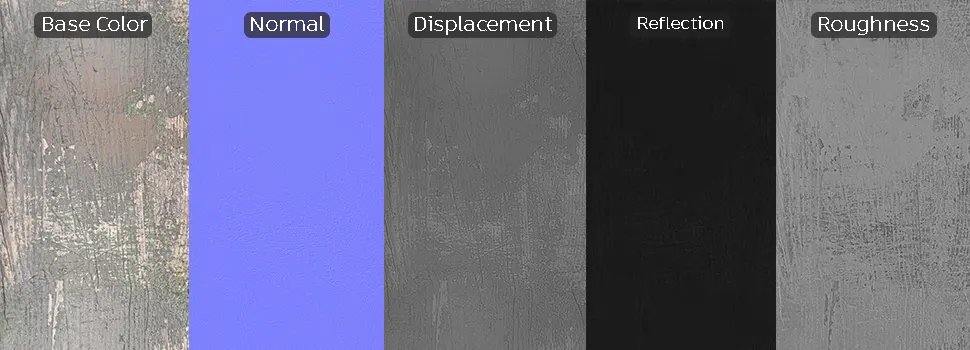
Designed for high-performance pipelines, this 8K seamless material ensures that large-scale surfaces maintain crisp detail without noticeable tiling artifacts. The inclusion of precise Displacement and Normal maps allows the renderer to calculate deep shadows within the grain, enhancing the 3D relief of the peeling flakes. When working with physically based rendering workflows, these maps provide the necessary data for light to react realistically with the porous, matte finish of the wood surface.
Save Time with AfterBox
Browse, download and apply materials directly in Unreal Engine, V-Ray and Corona.
## Adding Character Through Environmental Effects
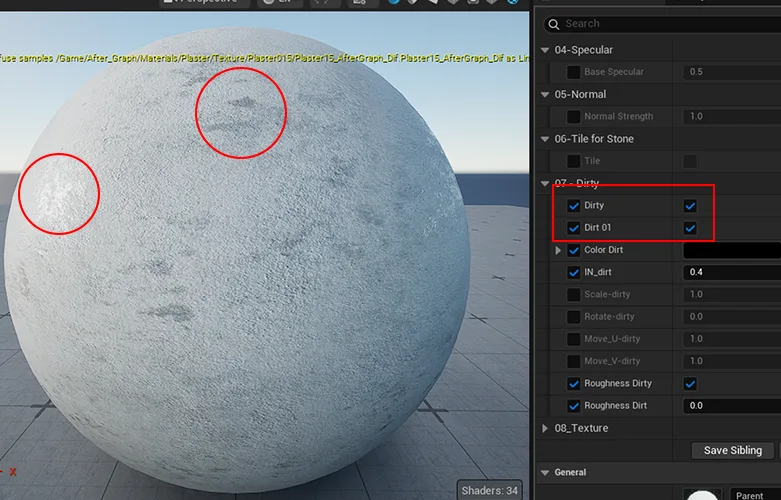
While the material includes significant wear, you can push the realism further in your engine of choice. Applying a light layer of moss or lichen patches in the recessed areas can suggest high humidity, while adding a slight accumulation of grime via a secondary decal layer helps integrate the planks into the surroundings. If you are aiming for a seaside look, adding a faint salt-crust gloss variation can really sell the proximity to the coast.


## Ready Material Workflow Benefits
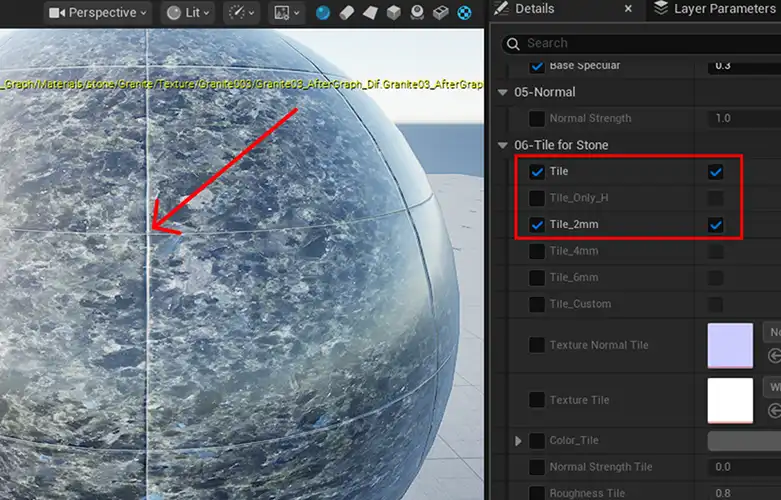
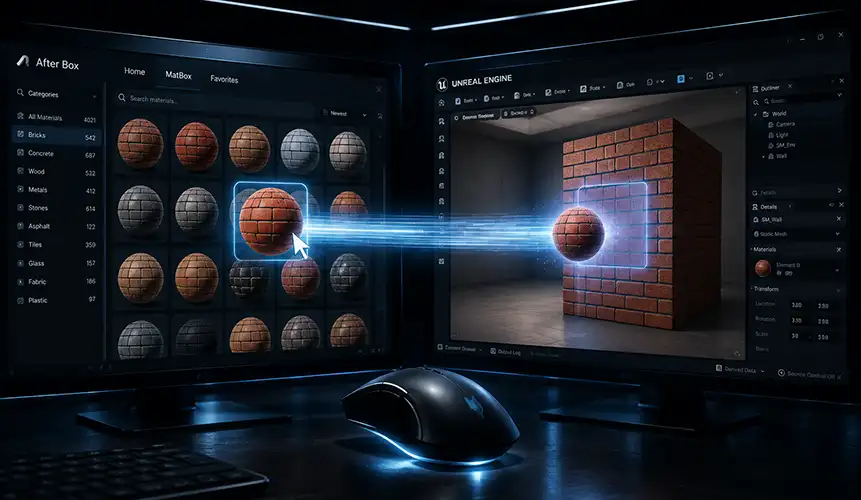
Utilizing a pre-configured, free ready material significantly accelerates your production timeline. Because the PBR settings for V-Ray, Corona, and Unreal Engine are already optimized, you can drag and drop these assets directly into your scenes. This eliminates the tedious process of mapping sliders, allowing you to focus on camera composition and lighting rather than fundamental material creation.
## Streamlining Your Design Process
The AfterBox workflow is designed to minimize friction. Once downloaded, the ready-made version integrates seamlessly into your preferred 3D host application. This workflow is particularly beneficial for tight deadlines where you need to populate a scene with high-fidelity assets without testing material behavior from scratch. For teams looking to scale, our subscription plans provide consistent access to a growing library of production-ready surfaces.


Save time on material setup
Instead of downloading this texture, use the optimized ready-made material for VRay , Corona Renderer (3ds Max) and Unreal Engine available in AfterBox.
No manual setup


