


## Precision-Engineered Cracked Asphalt Texture
When building high-fidelity environments, the difference between a static background and a believable space often lies in the surface degradation. This cracked asphalt texture provides a highly weathered, light-gray finish characterized by deep, irregular fissures and a granular, fragmented aggregate structure. Designed for artists who prioritize structural fatigue and surface realism, this material captures the neutral, muted tones of aged road surfaces, making it an essential asset for urban storytelling in both archviz and real-time game development.
## Applications in Built Environments
The versatility of this asphalt allows it to function effectively across varying project scopes. For exterior visualizations, it serves as the backbone for decayed parking lots, abandoned access roads, and cracked pathways that require a sense of history. In interior design, it is increasingly used to ground industrial lofts or contemporary gallery spaces where raw, brutalist aesthetics are preferred. Game environment artists will find it particularly effective for post-apocalyptic levels or urban decay scenes where the broken, organic nature of the surface helps break up monotonous tiling across large ground planes.
## Stylistic Integration and Design Pairing
This material thrives in settings that celebrate imperfection. It is an ideal fit for brutalist, industrial, and minimalist design styles where the visual weight of the ground plane needs to contrast with cleaner architectural elements. For the most cohesive results, pair this asphalt with raw, poured-in-place concrete walls, weathered structural steel, or oxidized metal accents. Its neutral color palette also makes it a strong companion for dark, reclaimed timber, allowing the coarse texture of the asphalt to anchor the space without clashing with warm or cool lighting schemes.
## Technical Rendering Performance
Built as a premium 8K PBR asset, this texture offers exceptional clarity for close-up shots. The inclusion of comprehensive maps—specifically Base Color, Specular, Roughness, Normal, Displacement, and Ambient Occlusion—ensures that the material reacts accurately to varying light temperatures. To achieve the intended visual impact of the deep cracks, we highly recommend utilizing the included displacement maps in your render engine of choice. While the texture is seamless, the organic nature of its fissure network means that, at extremely large scales, you should use vertex painting or varied scattering to break up any potential repetition.

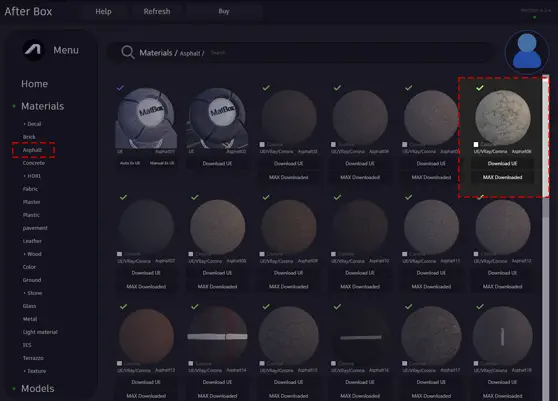
Save Time with AfterBox
Browse, download and apply materials directly in Unreal Engine, V-Ray and Corona.
## Enhancing Realism Through Layering
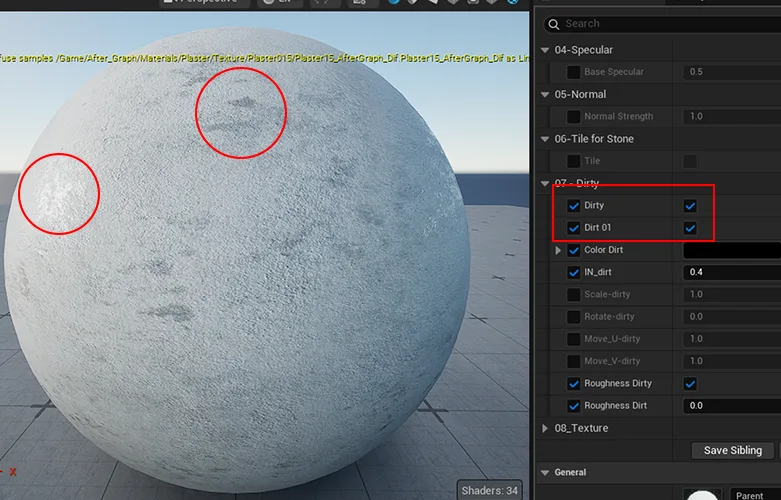
To push the material toward a more lived-in appearance, consider overlaying secondary details. Small amounts of moss or low-lying vegetation growing within the deeper fissures can instantly communicate long-term neglect, while subtle oil stain maps or loose grit decals help integrate the material into a larger site plan. These additions serve to bridge the gap between the primary asphalt surface and surrounding environmental assets, softening the edges of the mesh.


## Pre-Configured Asset Workflow
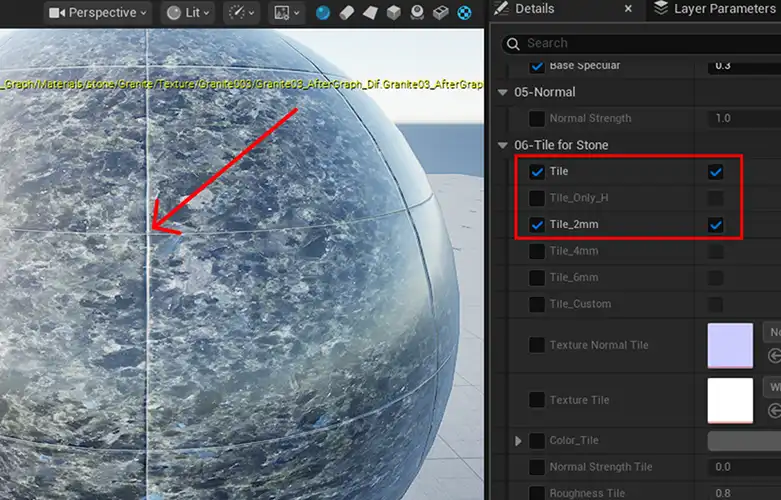
Integrating this material into your pipeline is straightforward thanks to our pre-built setup for V-Ray, Corona Renderer, and Unreal Engine. By utilizing these ready-to-use material files, you bypass the time-consuming process of manually linking maps and tweaking PBR parameters. Whether you are working in a viewport-heavy environment or preparing final marketing stills, these files are tuned to behave predictably under standard lighting conditions, allowing you to focus on shot composition rather than technical shader troubleshooting.
## Seamless Pipeline Integration
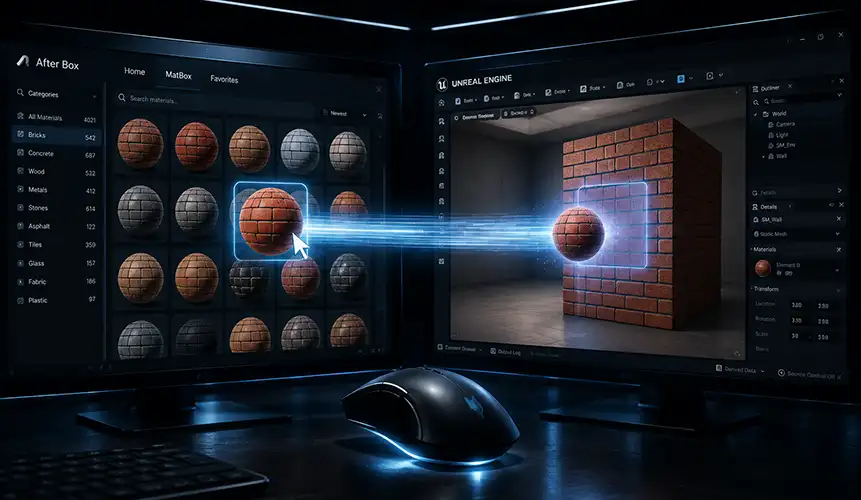
Our materials are designed for instant deployment. Simply drag and drop the provided assets into your scene for immediate results that maintain professional standards across your entire project library. For teams scaling their production, our subscription models ensure consistent access to high-quality surfaces. Explore the full library options at https://after-box.com/pricing/.
Save time on material setup
Instead of downloading this texture, use the optimized ready-made material for VRay , Corona Renderer (3ds Max) and Unreal Engine available in AfterBox.
No manual setup


