



## Realistic surface character
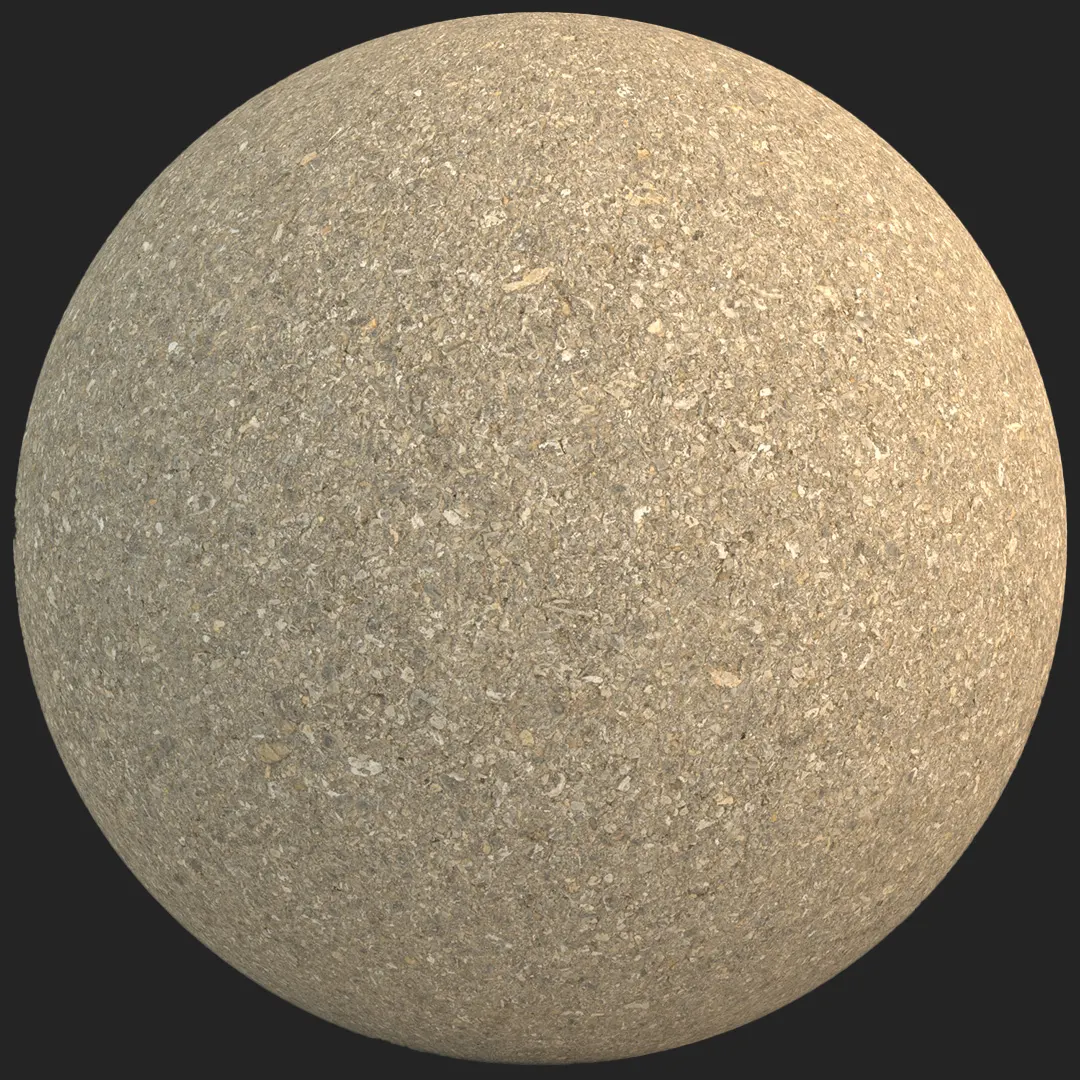
Achieving a sense of scale in architectural visualization often comes down to the quality of ground-level textures. This weathered fine-aggregate asphalt provides a highly detailed, neutral dark gray surface that avoids the repetitive, plastic look of low-quality alternatives. With its subtle hairline cracks and organic distribution of embedded pebbles, it captures the worn-in look of real-world urban pavement. This is a high-resolution, seamless asset designed to anchor your scenes in reality, whether you are populating an exterior site plan or crafting a gritty game environment.
## Practical applications in modern design
While asphalt is standard for exterior site infrastructure—such as parking lots, driveways, and suburban road networks—this specific variation excels in creative design applications. Architects working on industrial loft conversions or brutalist-inspired interiors can use this texture for entryways and mudrooms, offering a transition between the outdoors and indoor living spaces. For environment artists, the fine-grain detail serves as an ideal base for post-apocalyptic or wasteland scenes where ground variation is essential for immersion.
## Stylistic synergy
This material aligns perfectly with an industrial or minimalist aesthetic. It works well when paired with raw, unfinished materials. Consider using it alongside board-formed concrete or weathered steel panels to ground your scene’s color palette. It also provides a great contrast to cleaner, synthetic surfaces in urban contemporary designs.
### Usage limitation
Because this asphalt has a porous, granular surface, it may not be suitable for high-end residential interior projects where a clean, polished finish is required. It is best reserved for areas intended to convey structural durability or outdoor authenticity.
## Technical rendering performance
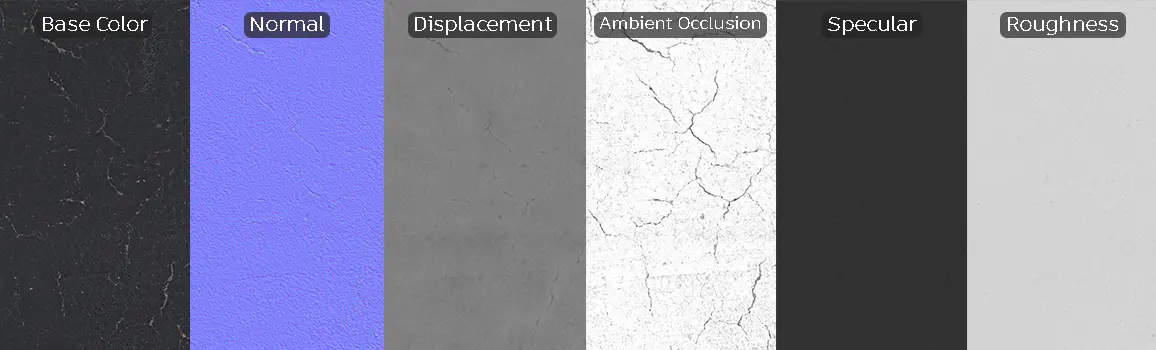
Built as a professional-grade PBR asset, this texture includes all necessary maps—Base Color, Roughness, Specular, Normal, Displacement, and Ambient Occlusion—to ensure accurate light interaction. At 8K resolution, it holds up exceptionally well even in close-up camera angles where the individual aggregate particles are visible. The seamless nature of the tiling means you can map this over large plaza areas without seeing unnatural repetition, provided you utilize the displacement map to pull out the subtle surface relief.
Save Time with AfterBox
Browse, download and apply materials directly in Unreal Engine, V-Ray and Corona.
## Enhancing realism through layering
To take the look of this material to the next level, I recommend using secondary decals or vertex painting to break up the uniformity. Adding subtle oil spills, tire skid marks, or sand accumulation in the cracks significantly boosts the realism for hero shots. In Unreal Engine, you might use a landscape layer blend to introduce moss or water puddles into the low-lying cracks to simulate aging.


## Streamlined material integration
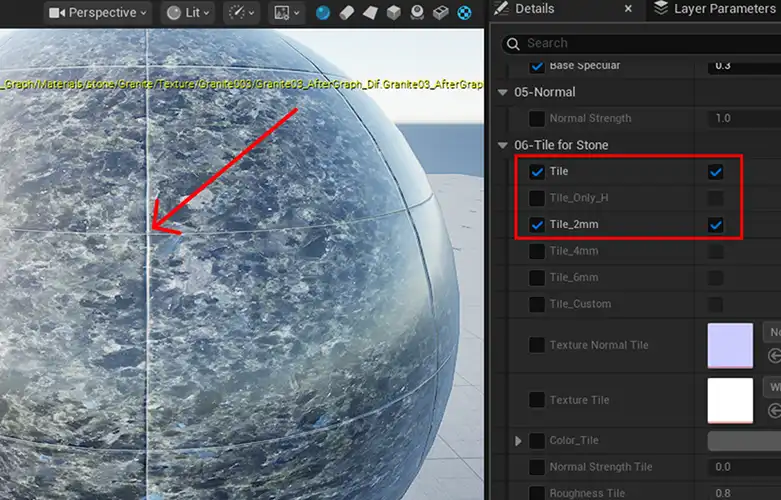
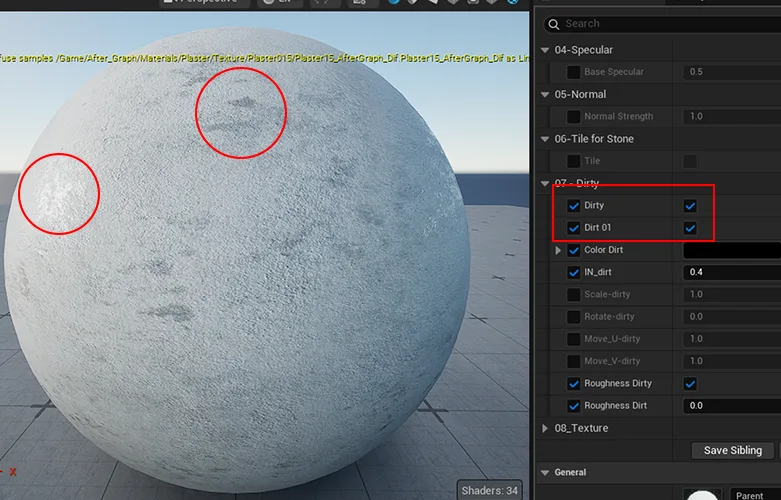
Speed is critical in professional workflows. By using the ready-made material configurations, you skip the manual setup of nodes in V-Ray, Corona Renderer, or Unreal Engine. These assets are pre-calibrated to respond correctly to physical light sources, ensuring your diffuse and roughness values match real-world expectations. By dropping these pre-built materials directly into your editor, you save valuable time on material development, allowing you to focus entirely on lighting and composition.
## Seamless workflow integration
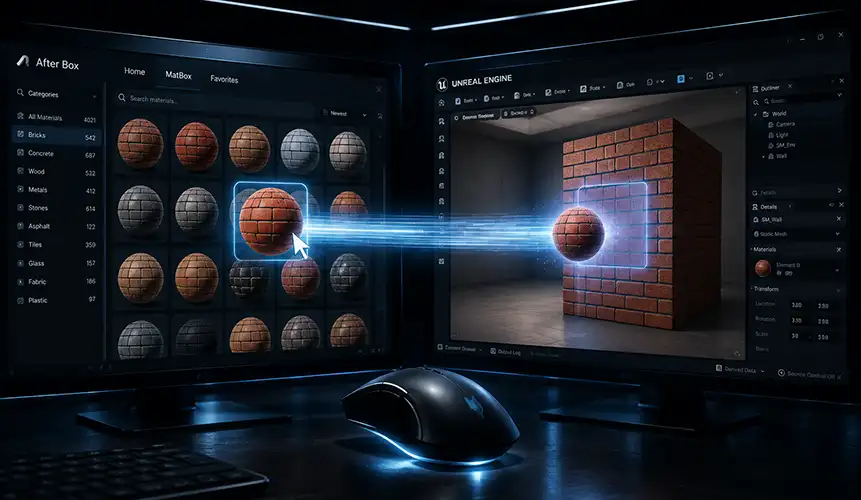
Our materials are designed for drag-and-drop convenience. Once you download the ready-made assets, you can move them straight into your project and see immediate results without constant test renders. This workflow minimizes friction between material selection and final frame output. For users who need constant access to a high-quality library, our premium subscriptions provide a deep catalog of production-ready assets to handle any project requirements.

Save time on material setup
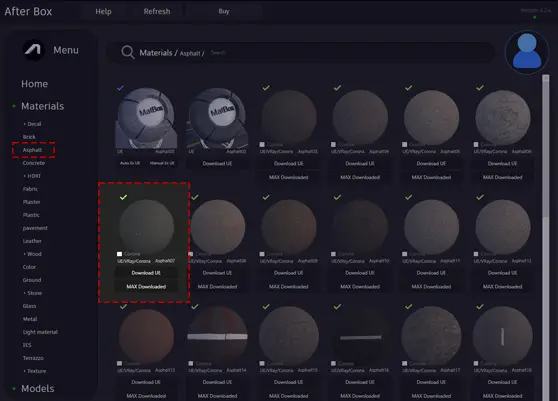
Instead of downloading this texture, use the optimized ready-made material for VRay , Corona Renderer (3ds Max) and Unreal Engine available in AfterBox.
No manual setup


