


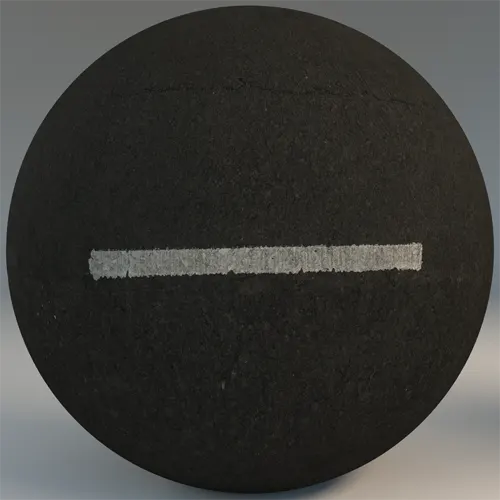
Understanding the Weathered Asphalt with Road Marking Surface
When building believable exterior environments, high-quality asphalt is rarely a uniform slate. This weathered asphalt with road marking texture captures the nuance of real-world urban infrastructure, featuring a distinct, off-white painted line that shows authentic, rugged wear. The material combines a coarse, granular aggregate base with the subtle irregularities of aged paint, creating a realistic foundation for street-level visualizations. Because the asphalt features visible pitted porosity and natural tonal variation, it avoids the artificial look common in lower-quality procedural pavements.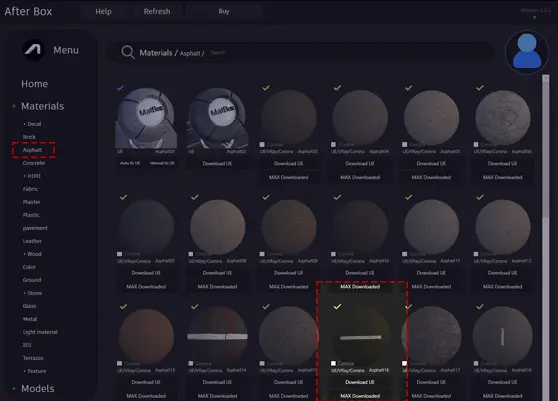
Practical Applications for Urban and Industrial Design
This asset is particularly effective for projects where the pavement needs to tell a story of use. It is ideal for parking lot simulations, driveways, and logistics center visualizations where the inclusion of a lane marker provides immediate scale and direction to the scene. For game environment artists, this material is a versatile candidate for racing tracks or post-apocalyptic cityscapes where the contrast between dark charcoal asphalt and degraded white paint adds significant visual depth to ground planes.Stylistic Integration and Surface Pairing
The material thrives in industrial, brutalist, and contemporary urban design contexts. The cool color temperature of the charcoal base complements materials like raw concrete, rusted structural steel, or weathered metal cladding. When designing modern urban landscapes, pairing this asphalt with clean-edged curbs or additional yellow road markers helps reinforce a sense of realism. It is less suited for luxury interior flooring, but it serves as an excellent “exterior-in” transition material for industrial-themed lofts or repurposed warehouse spaces.Rendering Performance and Technical Specifications
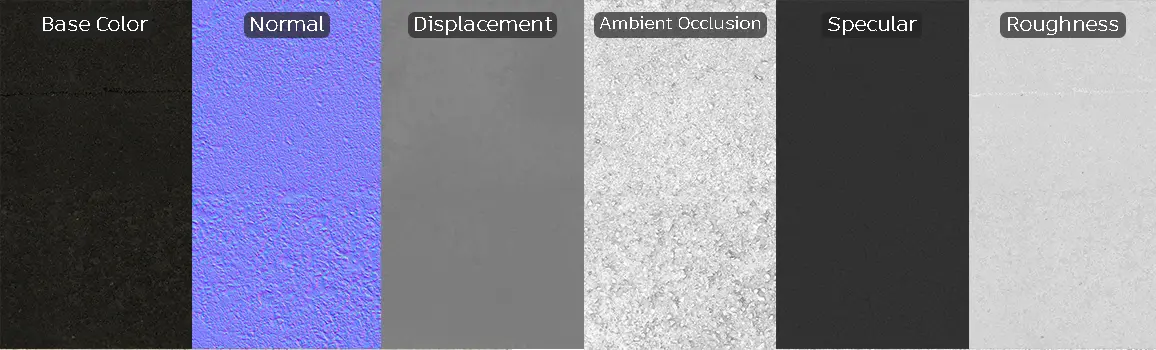
Designed for high-fidelity production, this 8K seamless PBR material includes a full suite of maps: Base Color, Specular, Roughness, Normal, Displacement, and Ambient Occlusion. The displacement map is particularly crucial here to capture the subtle relief of the aggregate without relying on heavy geometry.Note: Due to the prominent linear road marking, take extra care with UV tiling to ensure the stripe remains continuous across large surfaces, or use a mask to randomize the paint wear across different sections of your geometry.*
Save Time with AfterBox
Browse, download and apply materials directly in Unreal Engine, V-Ray and Corona.
Enhancing Realism with Secondary Detail Layers
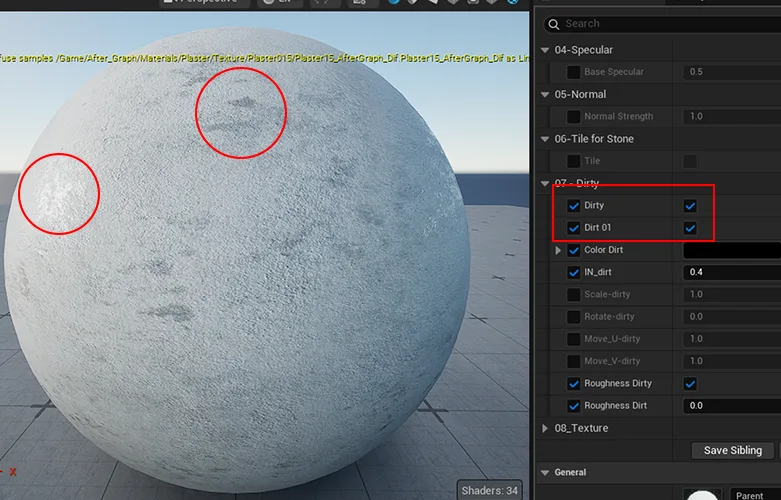
To achieve photorealism, integrate custom layers of debris on top of this material. The microscopic pits and cracks in the asphalt serve as perfect catch-points for surface dust, fine dirt, or oil stains. Adding subtle tire marks or localized weathering around the painted lines can further break up the pattern repetition, especially in larger exterior renderings where a single tiling texture might otherwise feel too uniform.

Streamlined Implementation in Modern Rendering Engines
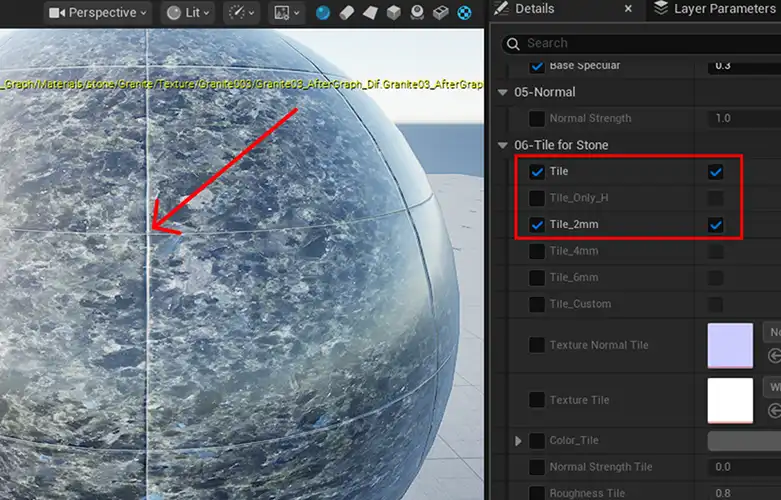
This material is engineered for seamless integration into Unreal Engine, V-Ray, and Corona Renderer. Because the PBR settings are calibrated for standard physical properties, the ready-made material provides predictable, accurate highlights and shadows out of the box. You can skip the tedious setup phase and immediately begin refining your lighting or environment composition, knowing the base material responds correctly to dynamic lighting conditions in real-time or path-traced workflows.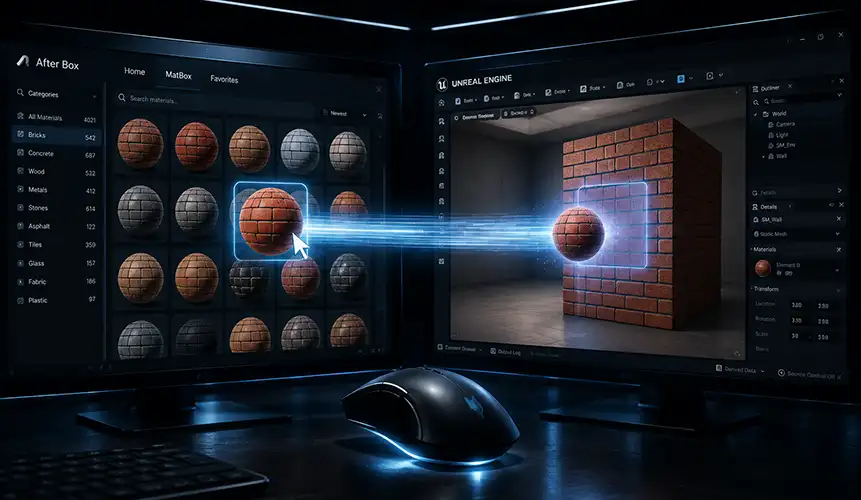
Workflow Advantages of Premium Assets
By utilizing the ready-made version of this asphalt, you eliminate the need for manual material creation or complex shader nodes. The asset is designed to be dragged and dropped, allowing you to iterate on your site plan or environment layout without interruption. For professional studios and independent artists, this workflow optimizes productivity, ensuring high-quality surface representation while reducing project turnaround time. Explore subscription options for full access to these production-ready assets: https://after-box.com/pricing/
Save time on material setup
Instead of downloading this texture, use the optimized ready-made material for V-Ray , Corona Renderer (3ds Max) and Unreal Engine available in AfterBox.
No manual setup


