



## Realistic Painted Striped Asphalt for Urban Visualization
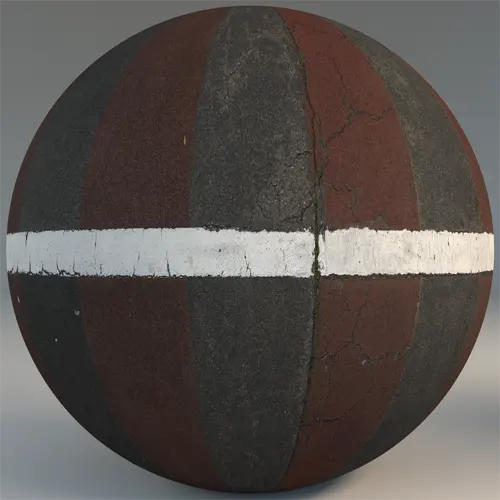
When developing exterior environments, capturing the nuances of aged infrastructure is essential for grounding a scene in reality. This painted striped asphalt pavement provides a highly detailed, 8K PBR surface that captures the tactile transition between charcoal road aggregate and worn, high-visibility traffic markings. The material features authentic surface degradation, including hairline cracks, tonal fading, and the structural tension of a central expansion joint. By incorporating this texture, you add immediate visual interest to urban master plans or industrial-themed exterior visualizations, bridging the gap between clinical architectural renderings and lived-in spaces.

## Practical Applications for Diverse Environments
This material is designed to handle a wide range of scales, from close-up shots of a pedestrian plaza to wide-angle flyovers of a city park. Its striped nature makes it particularly effective for defining pathways, segregating traffic zones, or creating thematic boundaries in recreational design.
– Sports and Recreational Grounds: Ideal for outdoor basketball or tennis court surfaces where paint wear is a focal point.
– Industrial Redevelopment: Use as a base for abandoned zones or repurposed loft flooring to introduce a grittiness that pairs well with steel and concrete.
– Retail and Commercial Plazas: Perfect for exterior signage zones or loading docks that require a distinct, utilitarian aesthetic.
## Design Pairing and Material Context
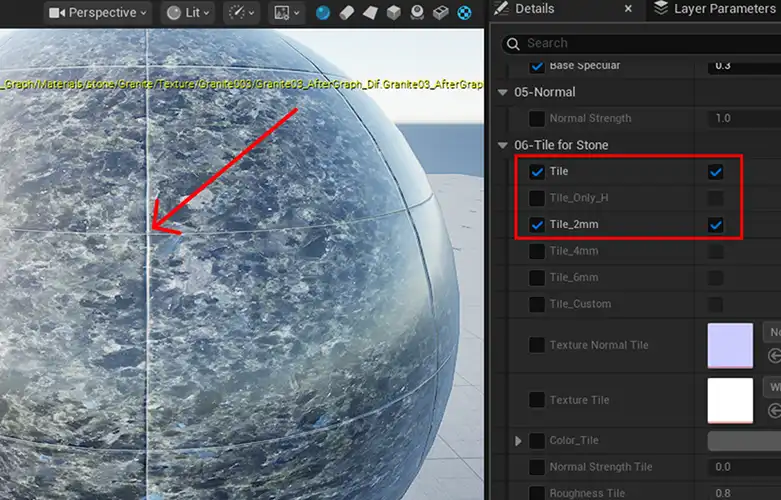
The stark contrast of the off-white paint against the deep red and charcoal tones makes this a strong candidate for modern industrial and brutalist styles. It works exceptionally well in scenes that feature cold, raw materials; try pairing this with brushed stainless steel bollards, corten steel site furniture, or board-formed exposed concrete to reinforce a contemporary urban narrative. While its specific striped pattern is a dominant visual element, it functions best in areas where you want to lead the viewer’s eye through a composition. Please note: due to the unique nature of the central white line, repetitive tiling may become noticeable in large, open-plan scenes; it is recommended to break up the pattern using landscape elements like vegetation or site furniture.
Save Time with AfterBox
Browse, download and apply materials directly in Unreal Engine, V-Ray and Corona.
## Enhancing Realism Through Surface Detail
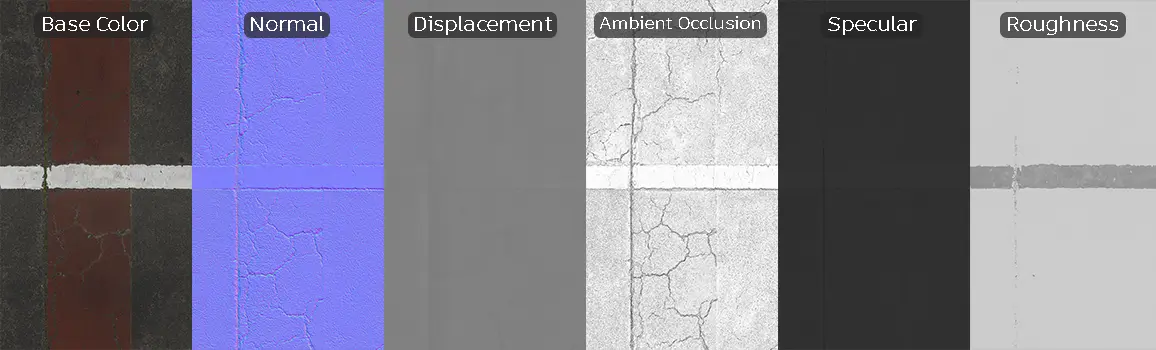
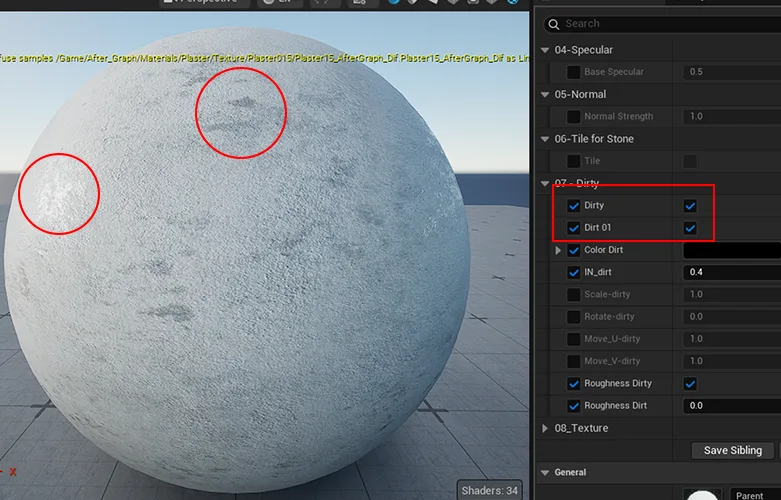
To achieve the highest level of photorealism, leverage the provided displacement and normal maps to emphasize the relief of the chipped paint. In your chosen rendering engine, consider adding a slight layer of grit or procedural moss within the central crack to suggest environmental accumulation. These small, non-uniform details prevent the surface from appearing overly sterile and help ground the material within a real-world context, particularly in close-up camera work where the granular texture of the asphalt becomes the primary point of interest.


## Streamlined Workflow for Professional Visualizers
Integrating high-fidelity textures into a busy production schedule requires materials that work out of the box. This collection includes comprehensive PBR maps that translate seamlessly across V-Ray, Corona, and Unreal Engine without requiring complex shader adjustments. By utilizing these standardized maps, you can focus on scene composition and lighting rather than troubleshooting node setups. The 8K resolution ensures that even when the camera is inches from the ground, the fine aggregate and surface imperfections retain their sharpness and depth.
## Accelerating Production with AfterBox
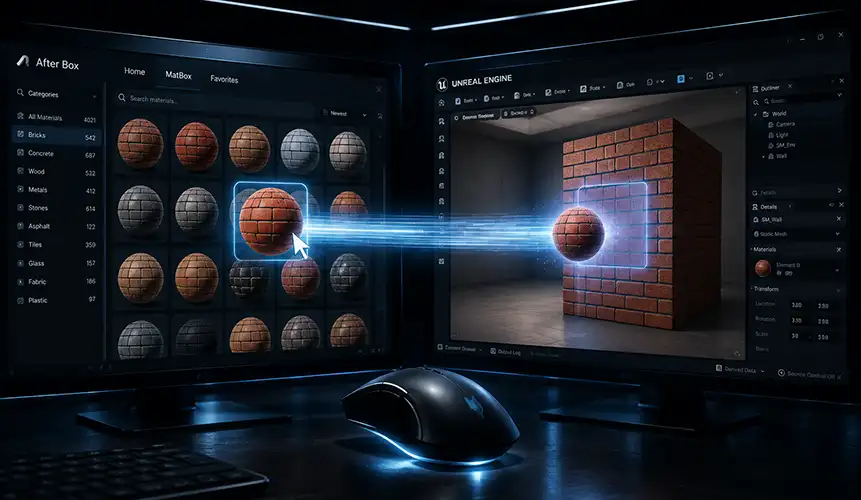
The ready-made materials allow for a drag-and-drop workflow that significantly reduces material setup time, allowing you to iterate on your project design instantly. By bypassing the manual creation of complex layered shaders, you can spend more time refining the artistic aspects of your environment. For teams looking to scale their production pipeline, our premium subscription provides full access to this library, ensuring consistent quality across all your projects. To explore our subscription options and full material library, visit: https://after-box.com/pricing/


Save time on material setup
Instead of downloading this texture, use the optimized ready-made material for VRay , Corona Renderer (3ds Max) and Unreal Engine available in AfterBox.
No manual setup


