



Design Identity and Architectural Character
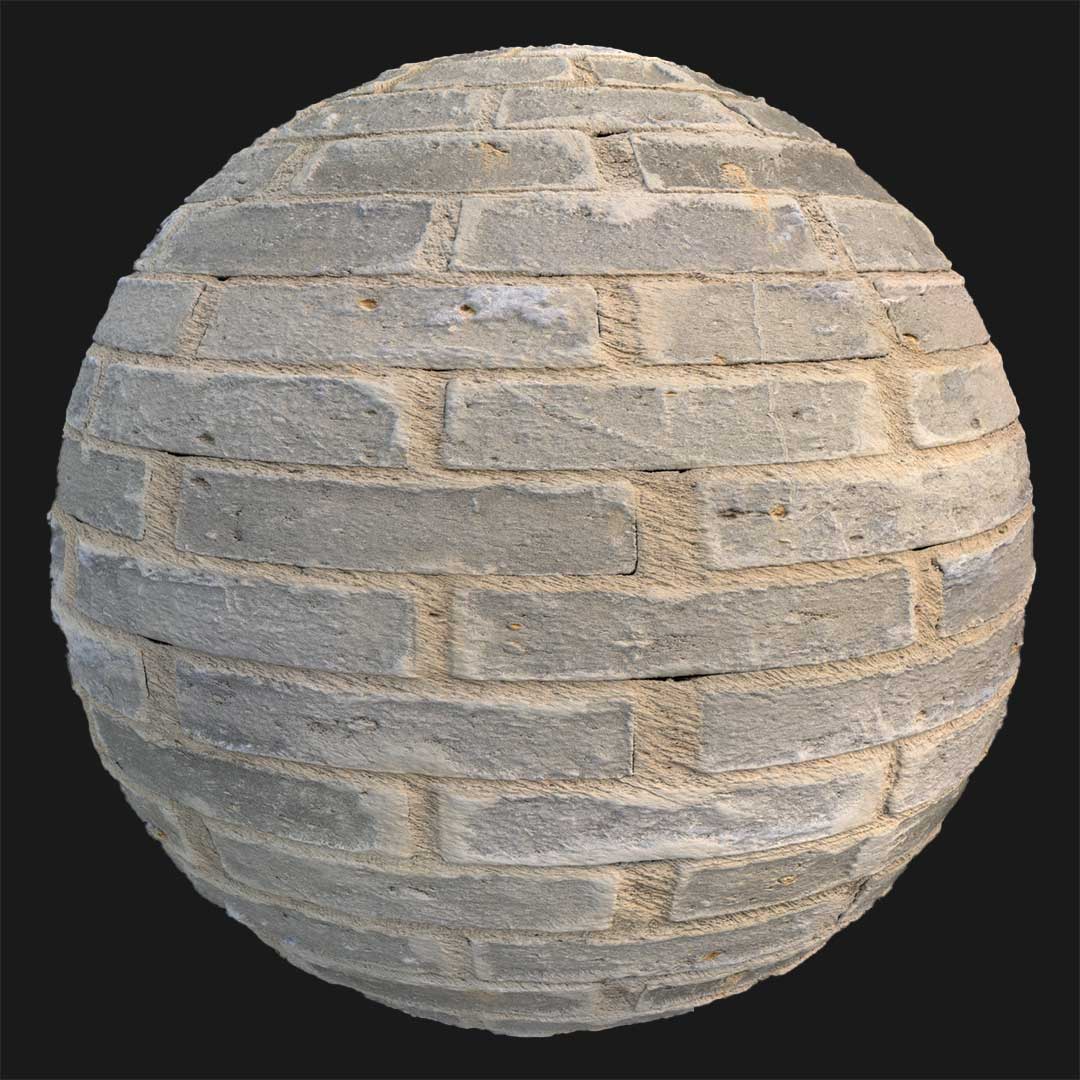
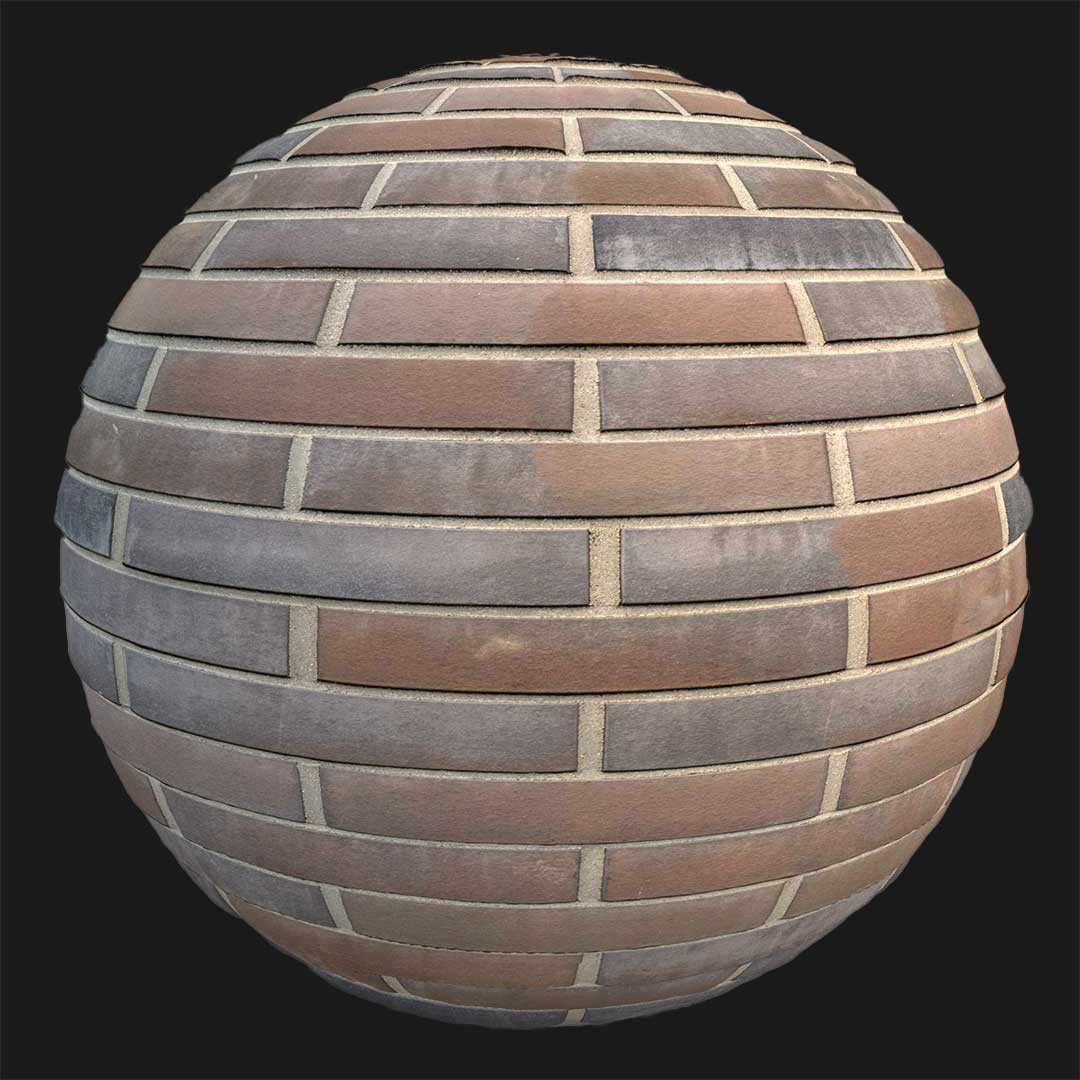
This off-white linear brick cladding offers a refined, minimalist aesthetic that bridges the gap between traditional masonry and contemporary geometric precision. The long, horizontal format draws the eye, making it an excellent choice for emphasizing the clean lines of modern residential facades. With its matte, stone-like texture and deep-raked charcoal joints, this linear brick facade brings a sophisticated, high-end feel to structural elements. It pairs exceptionally well with polished concrete, warm timber cladding, or black powder-coated aluminum frames. Architects often favor this linear brick facade in projects where verticality needs to be grounded by strong, rhythmic horizontal accents. Whether utilized as a singular feature wall in a gallery space or as the primary envelope for a luxury villa, the material remains visually quiet yet architecturally imposing. By utilizing this linear brick facade, designers can achieve a sense of tectonic honesty that modern minimalist architecture demands.

Technical Execution and Lighting Behavior
Achieving photorealism with masonry requires a precise balance of displacement and surface response. This material features high-resolution maps that capture the subtle porosity of the brick surface. In rendering, the PBR brick texture reacts naturally to grazing light, casting soft shadows across the fine, sandy grains. Because of the deep-raked mortar joints, the displacement map is vital; it provides the physical depth necessary to create authentic self-shadowing in V-Ray or Corona. For real-time engines like Unreal, the PBR brick texture is optimized to maintain performance without sacrificing the tactile quality of the stone. When setting up close-ups, ensure your subdivision levels are calibrated to handle the depth of the horizontal recesses. This PBR brick texture holds up exceptionally well even in extreme macro shots, retaining detail that is often lost in procedural alternatives.

Save Time with AfterBox
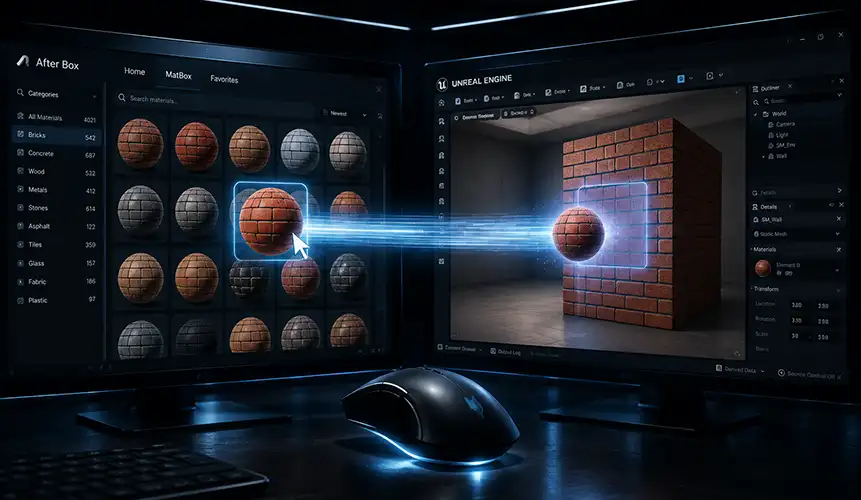
Browse, download and apply materials directly in Unreal Engine, V-Ray and Corona.
Integration and Workflow Efficiency
Efficiency is the cornerstone of a professional pipeline. We provide optimized, ready-to-use material setups for Unreal Engine, V-Ray, and Corona Renderer, allowing for immediate integration into your scene. By using these pre-configured assets, you eliminate the tedious hours spent building complex shader networks from scratch. While the native setups are fine-tuned for high-end production, the included PBR maps offer full flexibility for those working in alternative software environments. These **architectural cladding assets** are designed to slot directly into your existing library, ensuring consistency across multiple project phases. By relying on standardized **architectural cladding assets**, visualizers can spend less time managing technical parameters and more time on lighting and composition. Incorporating these **architectural cladding assets** into your workflow is the fastest path to production-ready, high-fidelity results.
Recommended Usage Contexts
The versatility of this material allows it to scale from intimate interiors to expansive exterior building skins. In residential projects, it serves as a stunning backdrop for fireplace surrounds or lobby feature walls. For commercial developments, the linear nature of the bricks creates a professional, orderly look that suits corporate headquarters or luxury retail outlets. In game environments, the material is perfectly suited for modern urban settings or sci-fi structural modules where a clean, high-precision aesthetic is required. We recommend using this as a primary cladding system in exterior scenes to leverage the strong shadow-play of the horizontal joints. It is equally effective in architectural visualization scenarios involving daylight studies, where the texture’s reaction to changing sun angles becomes a key feature of the shot.
Refining Realism with Weathering
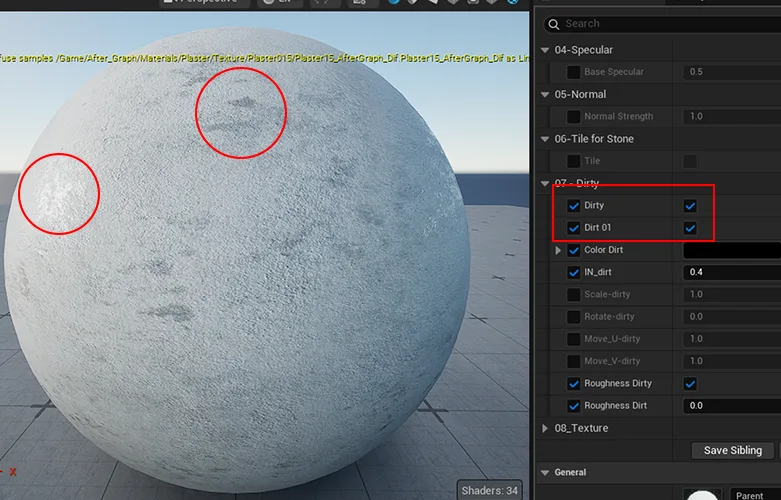
Clean surfaces are often the starting point, but realistic wear adds the final layer of believability. For exterior applications, we suggest adding subtle vertical streaks or dust accumulation within the deep mortar joints. When placing this material in high-traffic or urban environments, incorporating slight discoloration near the ground plane—simulating rainwater splash-back—will ground the material in reality. For interior feature walls, keep the surface relatively clean, perhaps adding only faint, localized variations in roughness. Activating these dirt maps is essential when your project calls for a lived-in, “aged” look rather than a pristine showroom aesthetic. Properly layering these subtle imperfections ensures your final output does not appear overly digital or sterile.


Streamlined Material Acquisition
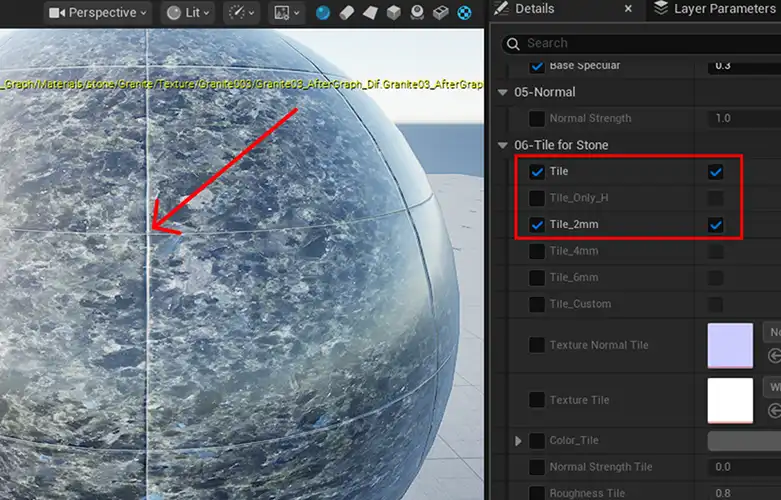
Accessing these high-quality textures is handled through the AfterBox application, a lightweight tool designed to simplify your asset management. By using AfterBox, you can drag and drop ready-made materials directly into your preferred rendering software. This workflow is built to save significant testing time, letting you preview the material’s scale and displacement in seconds. For artists looking to expand their professional library, this system provides a seamless connection between our curated content and your design software. Detailed pricing and subscription options to enhance your library are available at https://after-box.com/pricing/.


Save time on material setup
Instead of downloading this texture, use the optimized ready-made material for VRay , Corona Renderer (3ds Max) and Unreal Engine available in AfterBox.
No manual setup


