


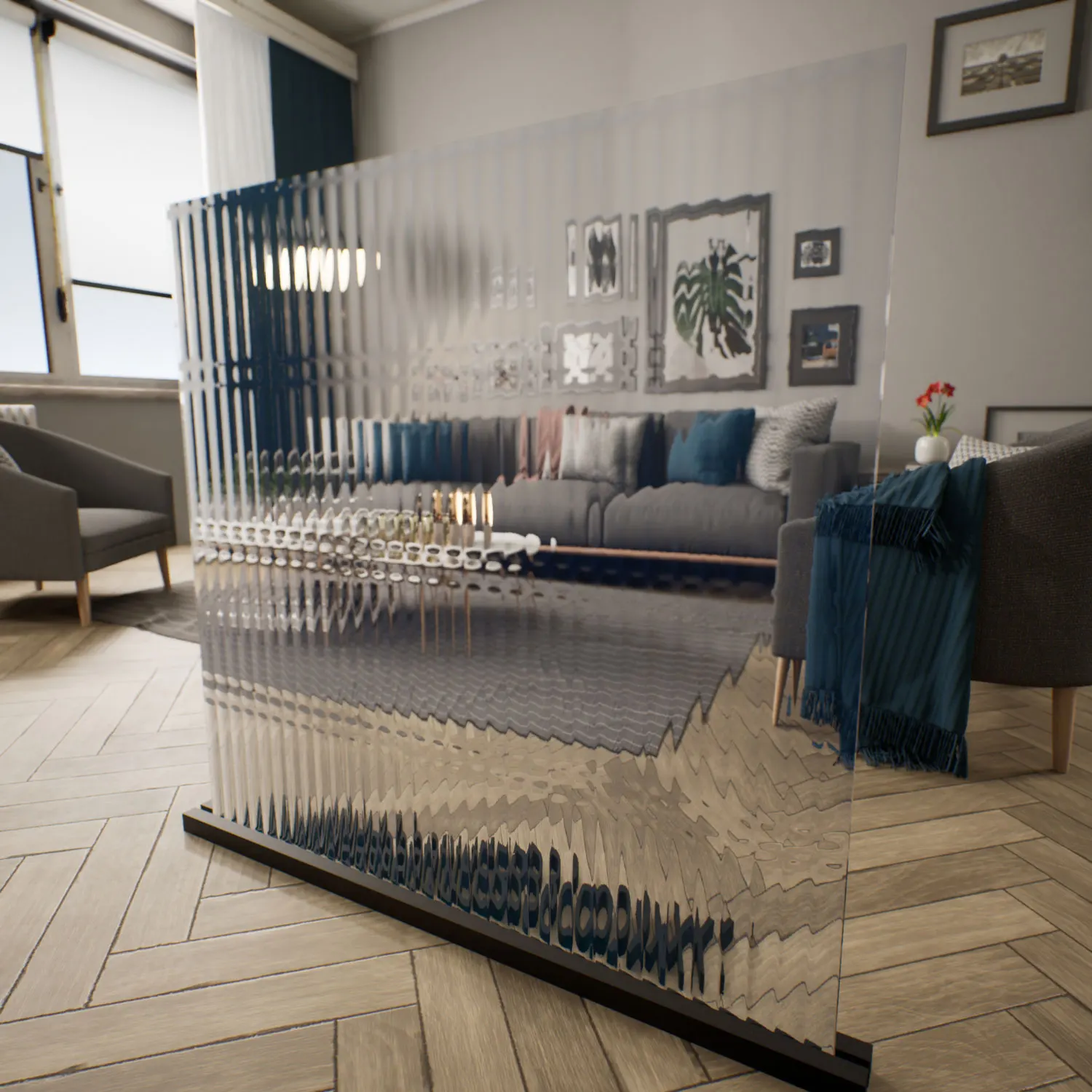


Material Overview Emissive cellular glass
This emissive cellular glass material pushes the boundaries of modern surface design, blending geometric precision with organic, fluid aesthetics.
Featuring an intricate, honeycomb-like grid, the material functions as more than just a glazing element; it acts as a light-emitting component that anchors a room’s atmosphere.

The deep navy blue base creates a moody, sophisticated foundation, while the electric blue borders pulsate with an internal glow, creating a striking contrast that defines futuristic and high-tech environments.
Unlike standard static surfaces, this emissive cellular glass for Unreal Engine manipulates light in two ways: it offers a smooth, polished reflection on its surface while simultaneously focusing light into the center of each cell. This creates a mesmerizing depth that draws the viewer’s eye, making it an ideal candidate for projects that require a bold, architectural statement.
Spaces & Design Integration
Given its distinct aesthetic, this material thrives in environments where technology and design collide. It is particularly effective in:
- Sci-Fi and futuristic game environments, where it serves as a central element for high-tech interfaces or wall paneling.
- Modern, intelligent building facades that feature integrated lighting as a design signature.
- High-concept interior partitions for corporate headquarters, high-end nightclubs, or luxury lounge spaces that benefit from moody, dynamic lighting.
- Digital art installations or VFX scenes that require an object with an active, self-illuminating presence.
Whether used as a floor-to-ceiling feature or as a subtle accent, this emissive cellular glass for Unreal Engine brings a sophisticated, digital-era edge to any project.
Rendering & Technical Considerations
Achieving a high-end look with this material relies on its PBR-based emissive properties. In professional renders, it behaves best when the intensity of the light is balanced against the scene’s overall exposure. To enhance the realism of such a technical asset, artists often introduce subtle optical distortions at the seams where the cellular grid meets the glass surface.
Mimicking the nuances of real-world hardware, you can simulate minor electrical fluctuations. By adding controlled, slight flickering or variable brightness across different cells—perhaps suggesting parts of the grid have undergone prolonged use or minor wear—you shift the asset from an “ideal” digital texture to a believable, physical component within your environment.
Ready-Made Features for Unreal Engine
This ready-made cellular glass for Unreal Engine is engineered for seamless integration. The emissive intensity, base color, and reflective properties are fully mapped and calibrated, ensuring the material functions correctly within Unreal Engine’s material editor immediately.
Because it is a PBR-optimized asset, it reacts appropriately to dynamic lighting and screen-space reflections, saving you hours of trial and error in the shader graph. It is designed to look intentional and polished the moment it is applied to your geometry.
How to Download
Access to this specialized material is provided through the AfterBox application, a lightweight (approx. 16MB) toolkit built to optimize professional workflows. Simply browse the library, find the ready-made cellular glass for Unreal Engine, and drag-and-drop it into your project.
This workflow bypasses the need for complex material development, allowing you to focus on the broader creative aspects of your scene. View our library subscription options here:
Save time on material setup
Instead of downloading this texture, use the optimized ready-made material for V-Ray, Corona Renderer (3ds Max) and Unreal Engine available in AfterBox.No manual setup


